Recreating a Drying Deodorant Powder
Question
How can I recreate a drying Purifying deodorant powder similar to my favorite product, using ingredients available in the shop? The original product contains the following ingredients: Talc, Silica, Cyclopentasiloxane, Petrolatum, Tribehenin, Hydrogenated Castor Oil, Fragrance, Nephrite Powder, and PEG-25 Propylane Glycol Stearate. What are the available alternatives for the ingredients not found in the shop?
Answer
Recreating Your Drying Deodorant Powder
Based on the ingredients of your favorite purifying deodorant powder, the key to its drying effect lies in the absorbent powders it contains, primarily Talc and Silica. The other ingredients act as binders, emollients, and carriers to help the powder spread smoothly and adhere to the skin, with Cyclopentasiloxane contributing to a quick-drying feel.
Here's how you can approach creating a similar product using ingredients available in the shop:
Available Ingredients and Their Roles
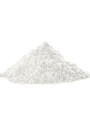
- Talc: A highly effective absorbent powder, available in the shop (e.g., Talc Powder). Essential for absorbing moisture and providing a smooth, dry feel.
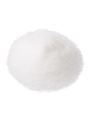
- Silica: An excellent absorbent and anti-caking agent, available (e.g., Anti-Caking Silica). Helps absorb sweat and oil and prevents clumping.
- Cyclopentasiloxane: Available (e.g., Cyclopentasiloxane (Low-Odor Cyclomethicone)). A lightweight silicone that helps the product spread easily and evaporates quickly for a dry finish.
- Petrolatum: Available (e.g., Vaseline Petroleum Jelly). Acts as a binder and emollient, helping to hold the powder together and providing a smooth feel.
- Tribehenin: Available (e.g., Tribehenin (Soft Wax)). A soft wax contributing to the product's structure and application feel.
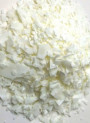
- Hydrogenated Castor Oil: Available (e.g., Hydrogenated Castor Oil (Wax Flakes)). A hard wax that helps solidify the mixture and improve adherence.
- Fragrance: The shop offers various fragrances to scent your powder.
Ingredient Not Found and Alternatives
- Nephrite Powder: This ingredient was not found in the shop's database. To compensate for its absence, you can increase the proportion of Talc and/or Silica in your formulation. These are readily available and are the primary moisture absorbers.
- PEG-25 Propylane Glycol Stearate: This specific ingredient wasn't found. You could consider using Glyceryl Stearate and PEG-100 Stearate as a potential binder/dispersant aid in your formulation, as it serves a similar purpose in helping to blend the oil/wax phase with the powders.
Formulating Your Own Deodorant Powder
To create a similar drying powder, combine the available absorbent powders with the binders and carrier liquid. The exact percentages require experimentation, but here's a general approach:
- Combine the Oil/Wax Phase: Gently heat and mix the Petrolatum, Tribehenin, Hydrogenated Castor Oil, and potentially Glyceryl Stearate and PEG-100 Stearate until melted and combined.
- Add Cyclopentasiloxane: Once the oil/wax mixture is slightly cooled but still liquid, stir in the Cyclopentasiloxane.
- Incorporate Powders: Gradually add the Talc and Silica (increasing their amounts to replace the Nephrite Powder) to the liquid mixture. Mix thoroughly until a uniform paste or thick slurry is formed.
- Add Fragrance: If desired, add your chosen fragrance and mix well.
- Cool and Process: Allow the mixture to cool and solidify. Once solid, you may need to grind or process it into a fine powder consistency.
Adjusting for Dryness: To ensure the product is as drying as you like, use a high percentage of Talc and Silica (e.g., 50-70% combined). Experimentation with the ratios of powders to the oil/wax phase will be key to replicating the texture and performance of your favorite product.
Related Products Mentioned
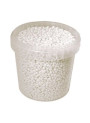
Tribehenin (Soft Wax, USA)