Red Organic Pigments for Lipstick: Origin, Irritation, and Usage
Question
Regarding red organic pigments for lipstick:
1. What are they made from?
2. Are they truly "organic" (natural) in origin?
3. Will they cause irritation when used in lipstick?
4. What is the appropriate usage percentage in a lipstick formulation?
Answer
Information on Red Organic Pigments for Lipstick
Regarding your questions about red organic pigments for lipstick:
Origin of Red Pigments: Red organic pigments can come from various sources. Some are extracted from natural sources like plants (e.g., Beet Root Red Pigment, Red Cabbage Pigment, Beta-Carotene Red Color, Sorghum Red Water Soluble Color). Others are synthetic compounds created through chemical processes (e.g., D&C Red 27 Color Changing Pigment, Fluorescent pigments).
Are they truly "Organic" (Natural)? As the previous reply explained, in chemistry, "organic" refers to compounds containing carbon, hydrogen, and oxygen. Organic pigments fit this chemical definition. However, this is different from the common understanding of "organic" as being purely natural and unprocessed. While some organic pigments are derived from natural sources, many are synthesized or undergo significant chemical processing. So, "organic pigment" refers to the chemical class, not necessarily a natural origin.
Irritation in Lipstick: Whether a pigment causes irritation depends on the specific pigment, its purity, the concentration used, and individual skin sensitivity. Being derived from nature does not guarantee non-irritation, just as being synthetic does not automatically mean it will cause irritation. Pigments used in cosmetics, especially for lips, are generally evaluated for safety. However, it is always recommended to test a small amount first if you have sensitive skin.
Appropriate Usage Proportion: The suitable percentage varies significantly depending on the specific pigment's color strength and the desired intensity in your lipstick formulation. Based on typical usage rates for various red pigments, a common range might be from 0.1% up to 10% or more for very intense colors, but you should always refer to the specific recommended usage rate for the particular pigment you are using. For example, some natural pigments like Beet Root Red Pigment or Red Cabbage Pigment might be used at 0.1-1%, while Fluorescent pigments might be used up to 10%.
In summary, red organic pigments are a diverse group chemically. Their origin varies, and their irritation potential and usage rate depend entirely on the specific type of pigment.
Related Products Mentioned
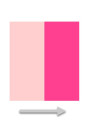
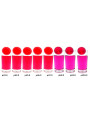

Fluorescent Light Red Pigment

Fluorescent Red Pigment

Fluorescent Flash Red Pigment