Reducing Dark Spots from Acne Scars on Sensitive Skin for 14-Year-Old (Spray vs Gel/Essence)
Question
I am a 14-year-old with fair, sensitive, easily irritated skin. I want to reduce dark spots from acne scars on my back using a spray. Can I use the following formula: Lactic Acid (AHA) Neutralized 10%, Distilled Water 90%? If this formula is not suitable, please recommend a non-sticky gel or essence formula for reducing dark spots from acne on the back.
Answer
Reducing Dark Spots on Sensitive Skin for a 14-Year-Old
Regarding your proposed formula of 10% Neutralized Lactic Acid (AHA) and 90% Distilled Water as a spray for reducing dark spots from acne scars on the back for a 14-year-old with sensitive skin:
While Lactic Acid is an effective AHA for exfoliation and improving skin tone, a 10% concentration, even if neutralized, might still be too potent and potentially irritating for sensitive skin, especially on a 14-year-old. Using it as a spray might also lead to uneven application and increased risk of irritation. For sensitive and young skin, it's generally better to start with lower concentrations of actives and use formulas that also incorporate soothing and skin-barrier supporting ingredients.
Therefore, your proposed formula might not be the most suitable option for sensitive skin.
Alternative Non-Sticky Gel or Essence Formula
For a gentler yet effective approach to reduce dark spots from acne scars on sensitive skin, consider using ingredients known for their anti-inflammatory and anti-pigmentation properties that are also well-tolerated. A non-sticky gel or essence texture is a good choice for the back area.
Here are some suitable ingredients you can combine:
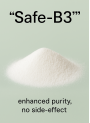
Safe-B3™ (Vitamin B3, Niacinamide): This is an excellent ingredient for sensitive and acne-prone skin. It helps reduce hyperpigmentation, strengthens the skin barrier, reduces redness, and can help control oiliness. It is well-tolerated and can be used at concentrations of 3-5% for these benefits. The Safe-B3™ type is known for its high purity, reducing the risk of flushing.
Alpha Arbutin: A safe and effective skin brightening agent that works by reducing melanin production. It is gentler than some other whitening ingredients like hydroquinone and is suitable for sensitive skin. A usage rate of 1-2% is typically effective for reducing dark spots.
Sodium Ascorbyl Phosphate (Vitamin C SAP): A stable, water-soluble form of Vitamin C. It has good brightening properties and is known to be less irritating than L-Ascorbic Acid, making it suitable for sensitive skin. It also offers antioxidant benefits. A concentration of 3-5% is recommended for skin brightening.
Formulation Concept:
A simple non-sticky essence or gel can be created using a water base, a gelling agent (to achieve the desired texture), a humectant (like Glycerin) for hydration, and a preservative system. You can combine Safe-B3™ with either Alpha Arbutin or Sodium Ascorbyl Phosphate (Vitamin C SAP) in this base. For example:
- Water: ~85-90%
- Safe-B3™ (Niacinamide): 3-5%
- Alpha Arbutin: 1-2% OR Sodium Ascorbyl Phosphate (Vitamin C SAP): 3-5%
- Humectant (e.g., Glycerin): 3-5%
- Gelling Agent: As needed for desired viscosity
- Preservative: As needed
This type of formulation provides targeted action on dark spots while supporting the skin barrier and minimizing irritation, making it more suitable for sensitive skin on a 14-year-old than a high concentration AHA spray.
Remember to always patch test any new formulation before applying it widely.
Related Products Mentioned
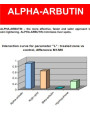
Alpha Arbutin (Switzerland)