Reducing Stickiness in Cream Formulation
Question
I have a cream formulation containing the following ingredients:
- Alpha Arbutin (China) 2%
- n-acetyl glucosamine 4%
- Vitamin B3 4%
- Satin Cream Maker 1%
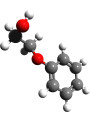
- Phenonip® P4 1%
- Aloe Vera Extract (mentioned by staff, percentage not given)
- Other ingredients (not specified, but assumed to be in the base)
The cream has a sticky texture upon application. How can I reduce the stickiness of this cream formulation? Are there specific ingredients, such as emollients or silicones, that can be added to improve the texture and reduce tackiness?
Answer
Improving Cream Texture to Reduce Stickiness
Your formula contains several water-soluble ingredients like Alpha Arbutin, N-acetyl Glucosamine, Vitamin B3, and Aloe Vera Extract, along with Satin Cream Maker as an emulsifier. While these ingredients are beneficial, the combination can sometimes result in a temporary tacky or sticky feel upon application, especially before the product fully absorbs. The staff is correct that the core active ingredients and the Satin Cream Maker itself are generally not the primary cause of this initial tackiness.
To counteract this feeling and improve the glide and finish of your cream, you can incorporate ingredients specifically designed to enhance skin feel, such as certain powders or silicones. The staff recommended PowderCream or MatteSilica.
Here's how these ingredients can help and how to add them:
Recommended Additives
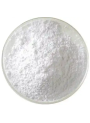
PowderCream™ (Water Absorbing PMMA)
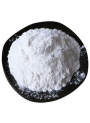
- How it helps: This is a PMMA polymer powder that absorbs oil and water, helping to reduce the wet or sticky feel of the cream. It provides a powdery, slippery finish on the skin.
- Usage Rate: The staff suggested 3-5%. You can use between 1% and 15% depending on the desired effect. Start with 3-5% and adjust in future batches if needed.
- Mixing: Add PowderCream™ in the final step of your formulation process. Blend it thoroughly into the finished cream until it is evenly dispersed. Ensure your formula contains wax or coating ingredients (like Cetearyl Alcohol, although not in your current formula) for best results with PowderCream™ to avoid flaking.
MatteSilica™ (Silica Powder)
- How it helps: MatteSilica™ is a porous silica powder that improves the glide and slip of the cream while absorbing excess oil on the skin, leading to a smoother, less tacky feel and a matte finish.
- Usage Rate: The staff suggested 3-5%. You can use between 0.1% and 20%. Start with 3-5% and adjust as needed.
- Mixing: Add MatteSilica™ in the final step of your formulation. Blend it thoroughly to ensure even dispersion. If your formula contains oil, it's recommended to disperse the MatteSilica™ in the water phase first before combining with the oil phase, or add it at the final step when the cream texture has formed and blend well.
- Note: MatteSilica 5S™ is a Dimethicone-coated version that offers added softness along with the oil absorption and slip benefits. This could be another good option to consider for improving feel.
How to Incorporate
To implement this, you would make your cream as usual and then, in the final step, carefully weigh and add either PowderCream™ or MatteSilica™ at your chosen percentage (starting around 3-5%) and mix thoroughly until the powder is fully dispersed and the texture is smooth and uniform.
While the fragrance (น้ำหอม) in your formula could potentially contribute slightly to tackiness depending on the specific type, adding PowderCream™ or MatteSilica™ is a more direct and effective way to improve the initial skin feel and reduce the perceived stickiness.
By adding one of these texture-enhancing powders, you should be able to significantly reduce the initial sticky feeling of your cream while maintaining the benefits of your active ingredients.
Related Products Mentioned
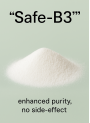
Safe-B3™ (Vitamin B3, Niacinamide)
GlucoBright™ (Acetyl Glucosamine)

Satin Cream Maker™
MatteSilica 5™ (5 Micron)
PowderCream™ (Water Absorbing PMMA)