Replacing Alcohol in Liquid Medication
Question
How can alcohol be replaced in a liquid medication formulation, and what alternative ingredients can be used to create an alcohol-free product?
Answer
Replacing alcohol in a liquid medication requires understanding its function in the original formula. Alcohol can act as a solvent, a preservative, or even affect taste and texture. The best alternative depends on which of these roles is most important.
Here are a couple of potential alternatives based on common formulation practices and the products found:
- For solvent and humectant properties: Sorbitol Solution 70% can be used. Sorbitol is a sugar alcohol that functions as a humectant (helps retain moisture) and can also act as a solvent for some ingredients. It can also contribute to the viscosity and mouthfeel of a liquid product.
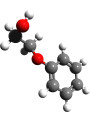
- For preservative properties: Phenoxyethanol P5 is a broad-spectrum preservative effective against bacteria, yeast, and mold. If the primary role of alcohol was preservation, using a dedicated preservative like Phenoxyethanol P5 at the appropriate concentration (typically 0.5-1.0%) could be a suitable alternative.
When reformulating, consider the solubility of your active ingredients without alcohol, the required preservation efficacy, and any desired taste or texture characteristics. It might be necessary to use a combination of ingredients to fully replace all functions of alcohol. Always ensure that any replacement ingredients are suitable for use in medication and comply with relevant regulations.
Related Products Mentioned
Sorbitol Solution 70%