Replacing Silica Dimethyl Silylate for Pigment Suspension in Lip Gloss
Question
I'm having lots of trouble wetting silica dimethyl silylate in my lip gloss formula. I have tried pre-wetting by adding slowly to Pentaerythrityl Tetraisostearate and mixing. I don't have an overhead stirrer, so this may be impossible. I have a mixer with one blade for non-shear and a homogenizer. I would really rather not use the SDS, is there a replacement that is premade gelling to help suspend my pigments? I use mostly micas, but small amounts of lakes and oxides too.
This is my current formula. Would appreciate if you could suggest another ingredient that doesn't require wetting, ready to use, or if something in my ingredients will work at a different percentage.
| Ingredient | Percentage |
|---|---|
| Hydrogenated Polyisobutene (300cs) | 21.30% |
| Polybutene (2400 MW) | 13.50% |
| Bis‑Diglyceryl Polyacyladipate‑2 | 9.50% |
| Tridecyl Trimellitate | 5.00% |
| Hydrogenated Poly (C6-14 Olefin) Gel | 4.00% |
| Octyldodecyl Stearoyl Stearate | 2.00% |
| Hydrogenated Poly (C6-14 Olefin) (6cs) | 11.00% |
| Heat to 80-85 deg and dissolve DPHP and Penta TDBH: | |
| Pentaerythrityl Tetraisostearate | 4.00% |
| Silica Dimethyl Silylate | 1.50% |
| DIPALMITOYL HYDROXYPROLINE (needs to be heated to 80-85 deg) | 0.50% |
| Pentaerythrityl tetra-di-t-butyl hydroxyhydrocinnamate | 0.10% |
| Pigment blends (make syrup): | |
| Diisostearyl Malate | 8.50% |
| Polyglyceryl-2 isostearate/dimer dilinoleate copolymer | 10.50% |
| Pigment blends (make syrup with above solvents) | 6.50% |
| Boron Nitride | 0.70% |
| Lauroyl lysine | 0.20% |
| Add after cools to 40 deg: | |
| Sweet Cherry Oil | 0.90% |
| Flavour Oil | 0.30% |
| TOTAL | 100.00% |
Answer
Wetting Silica Dimethyl Silylate (SDS) is a common challenge in anhydrous formulations like lip gloss, as it typically requires high-shear equipment (like a rotor-stator homogenizer) and specific processing temperatures to fully "bloom" and create a stable network. Without an overhead stirrer or high-shear processing for the entire batch, it often results in clumps or poor suspension.
Replacing Silica Dimethyl Silylate
Since you are already using Hydrogenated Poly (C6-14 Olefin) Gel, you have an excellent ready-to-use alternative. This product is a pre-gelled hydrocarbon that provides high gloss, a cushioned feel, and strong pigment suspension without the need for the difficult wetting process associated with silica powders.
To replace the 1.5% SDS in your formula, you should increase the percentage of Hydrogenated Poly (C6-14 Olefin) Gel. While 4% provides some rheology modification, increasing it to 10-15% will significantly improve the suspension of micas, lakes, and oxides while maintaining a smooth, non-gritty texture.
Suggested Formula Adjustment
By removing the SDS and increasing the pre-made gel, you can simplify your process. You can use your homogenizer specifically for the "Pigment Syrup" phase to ensure the micas and oxides are perfectly dispersed before blending them into the main gel base.
| Ingredient | Percentage (%) | Role |
|---|---|---|
| Hydrogenated Polyisobutene (300cs) | 13.30% | Base Oil / Shine |
| Polybutene (2400 MW, High Viscosity) | 13.50% | Viscosity / Adhesion |
| Bis-Diglyceryl Polyacyladipate-2 | 9.50% | Lanolin Alternative / Cushion |
| Tridecyl Trimellitate | 5.00% | High Refractive Index / Gloss |
| Hydrogenated Poly (C6-14 Olefin) Gel | 12.00% | Primary Gellant / Suspension |
| Octyldodecyl Stearoyl Stearate | 2.00% | Emollient / Texture |
| Hydrogenated Poly (C6-14 Olefin) (6cs) | 11.00% | Lightweight Emollient |
| Pentaerythrityl Tetraisostearate | 4.00% | Heavy Gloss Ester |
| Dipalmitoyl Hydroxyproline (DPHP) | 0.50% | Lip Plumping Active |
| Antioxidant (e.g., Pentaerythrityl TDBH) | 0.10% | Stability |
| Diisostearyl Malate | 8.50% | Pigment Dispersant |
| Polyglyceryl-2 isostearate/dimer dilinoleate copolymer | 10.50% | Film Former / Extra Gloss |
| Pigment Blends (Micas/Lakes/Oxides) | 6.50% | Color |
| Boron Nitride | 0.70% | Soft Focus / Slip |
| AminoSilk™ (Lauroyl lysine) | 0.20% | Texture Enhancer |
| Apricot Kernel Oil | 0.90% | Natural Oil (Replacement) |
| Cherry Flavor (Oil Soluble) | 0.30% | Flavor (Replacement) |
| TOTAL | 100.00% |
Processing Recommendations
- Main Phase: Combine the oils and the Hydrogenated Poly (C6-14 Olefin) Gel. Heat to 80-85°C. Add the Dipalmitoyl Hydroxyproline (DPHP) and antioxidant, mixing until completely dissolved and the gel is uniform.
- Pigment Syrup: In a separate container, mix Diisostearyl Malate, Polyglyceryl-2 isostearate/dimer dilinoleate copolymer, and your pigments. Use your homogenizer here to ensure all pigments (especially oxides and lakes) are fully de-agglomerated and "wetted" by the esters.
- Combination: Add the Pigment Syrup to the Main Phase while still warm. Mix thoroughly using your non-shear blade until the color is uniform.
- Cool Down: Allow the mixture to cool to approximately 40°C before adding the natural oils and flavor.
By increasing the pre-gelled component, you eliminate the risk of "silica seeds" (unwetted clumps) and ensure your pigments remain suspended over time without needing high-shear for the entire large-volume batch.
Related Products Mentioned
Apricot Kernel Oil (Refined)
AminoSilk™ (Lauroyl lysine)
Dipalmitoyl Hydroxyproline (DPHP)
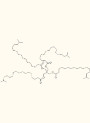
Pentaerythrityl Tetraisostearate
Hydrogenated Poly (C6-14 Olefin) (6cs)
Polybutene (2400 MW, High Viscosity)
Hydrogenated Poly (C6-14 Olefin) Gel
LipidSoft™ Lanolin
LipidSoft™ Film (Tridecyl Trimellitate )