Replicating Optiphen Plus Preservative in Cleansing Water and Sorbic Acid Substitution Issue
Question
I am making a cleansing water and want to use a preservative blend similar to Optiphen Plus. Optiphen Plus consists of Phenoxyethanol, Caprylyl Glycol, and Sorbic Acid. I have Phenoxyethanol and Caprylyl Glycol, but cannot use Sorbic Acid. I tried substituting Sorbic Acid with Hexylene Glycol, but this caused irritation.
- Why did substituting
Sorbic AcidwithHexylene Glycolcause irritation? - How can I create a broad-spectrum preservative blend similar to Optiphen Plus for my cleansing water without using
Sorbic Acid?
Answer
Replicating Optiphen Plus and Substituting Sorbic Acid
Thank you for your question regarding creating a preservative blend similar to Optiphen Plus for your cleansing water. You are using Phenoxyethanol and Caprylyl Glycol but are missing Sorbic Acid, and substituting Hexylene Glycol caused irritation.
Optiphen Plus is a broad-spectrum preservative blend consisting of Phenoxyethanol, Caprylyl Glycol, and Sorbic Acid. Each component plays a role:
- Phenoxyethanol: Primarily effective against bacteria.
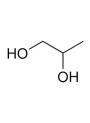
- Caprylyl Glycol: Acts as a preservative booster and contributes to antifungal activity.
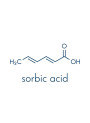
- Sorbic Acid: Provides crucial antifungal efficacy, complementing Phenoxyethanol and contributing to the blend's broad spectrum.
Substituting Sorbic Acid with Hexylene Glycol is not suitable for creating a broad-spectrum preservative blend similar to Optiphen Plus for the following reasons:
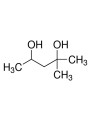
- Different Function: Hexylene Glycol is primarily used as a solvent, not a preservative. It does not possess the necessary antimicrobial properties, particularly the antifungal activity that Sorbic Acid provides.
- Lack of Broad Spectrum: Without Sorbic Acid, your blend of Phenoxyethanol and Caprylyl Glycol will likely lack sufficient protection against fungi, meaning it will not be a broad-spectrum preservative equivalent to Optiphen Plus.
- Irritation: Hexylene Glycol, being a solvent, can indeed cause irritation, stinging, or a burning sensation, especially in leave-on products or around sensitive areas like the eyes, which aligns with the reaction you experienced.
Therefore, using Hexylene Glycol instead of Sorbic Acid will not yield a broad-spectrum preservative and is likely the cause of the irritation you experienced.
To achieve the efficacy and broad-spectrum protection of Optiphen Plus, the most effective approach is to use the intended components, including Sorbic Acid. Sorbic Acid is key to its performance, particularly against fungi, and the combination allows for lower levels of Phenoxyethanol, which helps reduce irritation compared to using Phenoxyethanol alone.
If you are unable to use Sorbic Acid, replicating the exact performance of Optiphen Plus with a simple substitution is challenging. Achieving broad-spectrum preservation without Sorbic Acid would require incorporating a different compatible antifungal agent into your blend of Phenoxyethanol and Caprylyl Glycol, or considering a different pre-tested broad-spectrum preservative blend suitable for your cleansing water formulation. Formulating effective and non-irritating preservative systems often requires specific combinations and testing (like challenge testing) to ensure safety and efficacy.
Related Products Mentioned
Phenoxyethanol (Extra Pure)
Caprylyl Glycol (1,2-Octanediol)

Phenoxyethanol SA (eq. Optiphen Plus)
Sorbic Acid (Powder)