Resolving Cloudiness and Recrystallization in IseFoam™ Formulations
Question
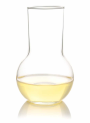
In my formulation, I used 10% `Isefoam` and heated it until fully dissolved. Initially, the solution was clear, but after letting it sit and cool down, it became cloudy.
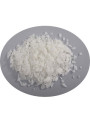
Previously, I used the stick/noodle form of `Isefoam` and never encountered this issue. However, since switching to the flake form, I have been facing this cloudiness problem.
I would like to ask:
1. What is the cause of this cloudiness?
2. How can I resolve this and make the formulation clear again?
Answer
The cloudiness you are experiencing with IseFoam™ (Sodium Lauroyl Methyl Isethionate) after it cools down is a common occurrence known as "re-crystallization" or "precipitation." Even though the INCI name is the same, different physical forms (flakes vs. sticks/noodles) can have slight variations in residual components or processing that affect their solubility behavior at room temperature.
Causes of Cloudiness:
- Temperature Sensitivity: IseFoam™ has a specific solubility limit. While it dissolves easily when heated, it may reach its saturation point as it cools, causing the molecules to cluster and turn the solution cloudy.
- pH Level: This surfactant is most stable and clear within a pH range of 5.0 - 7.0. If the pH of your formula is outside this range (especially if it is too low), it can significantly reduce solubility.
- Lack of Co-surfactants: Using IseFoam™ as the sole surfactant at a 10% concentration can sometimes lead to instability upon cooling.
How to Fix the Problem:
- Adjust the pH: Check the pH of your final solution. Ensure it is between 5.5 and 6.5. If the pH is too low, the surfactant may precipitate.
- Add a Co-surfactant: The most effective way to keep IseFoam™ clear is to use it in combination with an amphoteric surfactant, such as Cocamidopropyl Betaine. The addition of a co-surfactant helps form "mixed micelles," which are much more stable and remain clear at room temperature.
- Add a Solubilizer/Polyol: Adding a small amount (approx. 2-5%) of Glycerin or Propylene Glycol can help improve the solubility of the surfactant in the water phase.
- Check Mixing Temperature: Ensure that the IseFoam™ is completely dissolved and the solution is uniform before you stop heating and begin the cooling process.
If you are making a simple water-based solution with 10% IseFoam™, adding about 5-10% Cocamidopropyl Betaine should resolve the cloudiness and result in a crystal-clear product.
Follow-up Replies
Question:
In my formulation, I used 10% `Isefoam` (flake form) and heated it until fully dissolved. Initially, the solution was clear, but after letting it sit and cool down, it became cloudy.
Previously, I used the stick/noodle form of `Isefoam` and never encountered this issue. However, since switching to the flake form, I have been facing this cloudiness problem. I have already added 13% `Cocamidopropyl Betaine` (CAPB) to the mixture, but the solution remains cloudy.
I would like to ask:
1. What is the cause of this cloudiness?
2. How can I resolve this and make the formulation clear again?
Answer:
The cloudiness you are experiencing with IseFoam™ (Sodium Lauroyl Methyl Isethionate) in flake form, even with Cocamidopropyl Betaine (CAPB) present, is typically due to the surfactant recrystallizing as the temperature drops.
While the INCI name is the same, different physical forms (flakes vs. noodles) can sometimes have slight variations in how they interact with water during the cooling phase.
1. What is the cause of this cloudiness?
- Active Matter Ratio: You are using 10% IseFoam™ (which is 100% active) and 13% Cocamidopropyl Betaine (which is typically ~30% active). This means your active ratio is roughly 10% SLMI to 3.9% CAPB. This ratio is often insufficient to keep the SLMI fully solubilized in a clear state at room temperature.
- pH Sensitivity: SLMI is highly sensitive to pH. If the pH of your formulation is below 5.0 or above 7.0, its solubility decreases significantly, leading to precipitation (cloudiness).
- Saturation Point: At 10% concentration, SLMI is near its saturation limit in water. Without enough "coupling" agents or the correct environment, it will revert to its solid state (recrystallize) as it cools.
2. How to resolve this and make the formulation clear:
- Adjust the pH (Most Critical): Ensure the final pH of your formula is between 5.5 and 6.5. This is the "sweet spot" for SLMI clarity. If the pH is too low, try increasing it slightly with a basic solution (like TEA) to see if it clears up.
- Increase the Co-surfactant: To stabilize 10% SLMI, you likely need a higher amount of Cocamidopropyl Betaine. Try increasing the CAPB to 20-25% (of the total formula) to provide enough amphoteric active matter to form stable, clear mixed micelles.
- Add a Polyol/Solubilizer: Adding 3-5% Glycerin or Propylene Glycol can help improve the solubility of the surfactants and prevent recrystallization during cooling.
- Check the Dissolving Process: Ensure the flakes are not just "melted" but fully hydrated. Continue stirring at a consistent temperature (approx. 70-75°C) until the solution is perfectly clear before beginning the cooling process.
- Order of Addition: Try adding the Cocamidopropyl Betaine to the water first, then adding the IseFoam™ flakes. The presence of the CAPB can sometimes help the SLMI dissolve more stably.
Related Products Mentioned
Propylene Glycol (USP)
Glycerin (USP/Food Grade)