Retinal Cream Formulation & Stability
Question
Seeking review and advice on a proposed cream formula for combination to oily skin containing Retinal, Vitamin B3, Ectoine, and Hyaluronic Acid using Light Cream Maker™, specifically regarding the feasibility of the formula and the optimal manufacturing procedure to ensure ingredient stability, especially for Retinal.
Answer
Formula Review: Retinal Cream for Combination to Oily Skin
Your formula includes several excellent ingredients for addressing concerns like aging, hydration, and oiliness on combination to oily skin.
Ingredients in Your Formula:
- Retinal (Retinaldehyde): A potent form of Vitamin A known for its anti-aging benefits and ability to improve skin texture and tone.
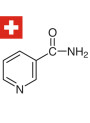
- Vitamin B3 (Niacinamide): Beneficial for strengthening the skin barrier, reducing redness and hyperpigmentation, controlling oil production, and improving the appearance of pores and wrinkles. Using it alongside Retinal can also help improve tolerance.
- Hyaluronic Acid: Provides hydration to the skin. The percentage you included (0.10%) is suitable for normal to generally dehydrated skin.
- Light Cream Maker™: This emulsifier is suitable for creating a light, non-greasy cream texture, which is appropriate for combination to oily skin. It works without needing high heat for emulsification.
- Sweet Almond Oil & Shea Butter Ultra Soft: These provide emollience and help nourish the skin.
- MOIST72™ & WaterLock™: These ingredients contribute to skin hydration and help prevent transepidermal water loss.
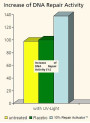
- Repair Activator™: This ingredient is known for its skin repairing properties.
- Protec™ OX: An antioxidant included to help protect sensitive ingredients like Retinal from oxidation.
Considerations and Suggested Modifications:
Your ingredient selection is good, but the proposed procedure has a critical step that could compromise the stability and effectiveness of Retinal.
- Retinal Stability: Retinal (Retinaldehyde) is highly sensitive to heat, light, and air. Heating the oil phase to 50°C to melt Shea Butter after adding Retinal will likely cause significant degradation of the Retinal.
- Protec™ OX: While Protec™ OX is an excellent antioxidant for protecting ingredients like Retinal, it typically requires heat (70-80°C) to dissolve in oil according to its product description. This presents a conflict with Retinal's heat sensitivity if added together and heated.
Revised Procedure Suggestion:
To protect the Retinal and ensure the stability of your cream, consider modifying the procedure as follows:
- Phase A (Water Phase): Combine Water, Vitamin B3, MOIST72™, WaterLock™, Repair Activator™, and Hyaluronic Acid. Stir until all water-soluble ingredients are fully dissolved.
- Phase B (Oil Phase): Combine Sweet Almond Oil and Shea Butter Ultra Soft. Heat this mixture to 60-70°C (as recommended for Shea Butter Ultra Soft) to fully melt the Shea Butter. Add Protec™ OX to this heated oil phase and stir to dissolve. Once dissolved, remove from heat and allow this oil phase mixture to cool down significantly, ideally to room temperature or below 40°C.
- Phase C (Adding Retinal): Once the oil phase (Phase B) has cooled, add the Retinal to it and stir gently until dispersed or dissolved. Avoid vigorous mixing that incorporates excessive air.
- Phase D (Emulsification): Add Light Cream Maker™ to the cooled oil phase (Phase C) and mix well to ensure it is fully incorporated.
- Phase E (Combining Phases): Slowly add the oil phase (Phase D) to the water phase (Phase A) while stirring continuously. You can use a hand mixer or stirrer at a moderate speed. Continue mixing until a homogeneous cream is formed (typically 1-5 minutes). Avoid high-speed mixing (above 2500 rpm) as this can damage the polymer structure of the emulsifier.
- Phase F (Final Steps): Once the cream has formed and cooled completely, you can add any remaining sensitive ingredients (like fragrance, if using) and adjust the pH if necessary (Niacinamide is best at pH 4.0-7.0, and Retinal is recommended at pH 3.5-6.5).
- Packaging: Package the final cream in an opaque, airless pump bottle or tube to protect the Retinal from light and air exposure, which helps maintain its efficacy over time.
Regarding Ectoine:
You mentioned wanting Ectoine in the formula, but it was not listed in your proposed ingredients. If you wish to include Ectoine, it is water-soluble and can be added to the water phase (Phase A) along with the other water-soluble ingredients. The recommended usage rate for Ectoine is typically 0.5-2.0%.
By adjusting the procedure to add Retinal at a lower temperature after the emulsion has cooled, you can create a more stable and effective product.
Related Products Mentioned

Safe-B3™ (Vitamin B3, Niacinamide)
Light Cream Maker™
Shea Butter (Ultra Soft)

MOIST72™
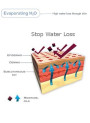
WaterLock™ (Polyquaternium-51)
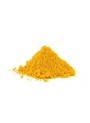
Retinal (Retinaldehyde)
Ectoine (Ectoin, from Bio-fermentation)


4D Hyaluronic Acid