Retinal (Retinaldehyde) Stability, Light Sensitivity, Color Change, and Efficacy
Question
Regarding Retinal (Retinaldehyde):
- How sensitive is Retinal (Retinaldehyde) to light?
- What factors cause the substance or formula to darken or change color?
- Is the color change of the formula or the substance itself an indication of degradation?
- If color change indicates degradation, can the remaining efficacy be estimated? Approximately what percentage of efficacy remains?
Answer
Understanding Retinal and Formula Stability
Here are the answers to your questions regarding Retinal (Retinaldehyde) and factors affecting formula stability:
Sensitivity of Retinal (Retinaldehyde) to Light:
Retinal is highly sensitive to light, especially UV light. Exposure to light causes it to deteriorate quickly. Therefore, products containing Retinal must be stored in packaging that protects them from light.Factors Causing Darkening or Color Change in Substances or Formulas:
Several factors can cause ingredients like Retinal and other Vitamin A derivatives, or the formulas containing them, to change color and darken:- Light Exposure: As mentioned, light (especially UV) is a major factor causing degradation.
- Heat: High temperatures can accelerate the degradation process.
- Air Exposure (Oxygen): Oxidation due to exposure to air can lead to instability and color change. For Retinal, using oil-in-water formulations is recommended to minimize air exposure.
- pH Levels: The stability of some ingredients is dependent on the pH of the formula. For Retinal, a pH range of 3.5-6.5 is recommended.
- Presence of Incompatible Ingredients: Certain ingredients can react with or destabilize others, leading to degradation and color change.
Is Color Change an Indicator of Degradation?
Yes, generally, a significant change in color, particularly darkening, of a substance or a formula containing sensitive ingredients like Retinal is a strong indicator that the ingredient has undergone degradation or is losing its stability. It suggests that the chemical structure has changed, likely reducing its intended efficacy.Estimating Remaining Efficacy After Color Change:
It is not possible to accurately estimate the remaining percentage of efficacy based solely on the color change of the substance or formula. Color change is a visual indicator of degradation, but the extent of degradation and the remaining concentration of the active ingredient would require specific chemical analysis (like HPLC testing) to determine. Once a product shows signs of significant color change due to degradation, its performance is likely compromised, and it may not provide the expected benefits.
To maintain the stability and efficacy of products containing sensitive ingredients like Retinal, it is crucial to follow storage recommendations (e.g., store in a cool, dark place, tightly sealed) and use appropriate packaging and stabilizing agents in the formulation (such as antioxidants like Protec™ OX, UV protectors like Protec™ UV, or other stabilizers like Protec™ SQ or Bakuchiol). Encapsulated forms like Retinal-EZ™ or conjugated forms like HyaRetin™ can also offer improved stability.
Related Products Mentioned
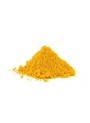
Retinal (Retinaldehyde)
Retinol (100% Pure Powder)