Retinoid vs. Vitamin C for Skin Restoration and Ingredient Storage
Question
- Which is better for skin restoration, Retinoid or Vitamin C?
- I experienced a seb derm flare-up when using Retin-A with L-ascorbic acid. Why did this happen?
- If I use Retin-A with Ascorbyl Tetraisopalmitate, will it be too strong?
- Regarding ingredient storage:
- My Glycerin has water droplets on top. Is this normal, and how should I store it?
- My L-Carnitine and Glycolic acid have dissolved into liquid. Are they still effective, and how should I store them to prevent this?
Answer
Subject: Retinoid vs. Vitamin C for Skin Restoration
Based on the information provided, it's not possible to definitively say whether retinoids or Vitamin C are "better" for skin restoration, as they have different mechanisms of action and address different concerns:
- Retinoids (like Retinal or Retin-A) are potent for anti-aging, specifically reducing wrinkles by inhibiting collagen breakdown and boosting elastin. They are also suitable for restoring skin after severe sun exposure. However, they can cause irritation.
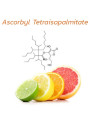
- Vitamin C (especially L-ascorbic acid) is effective for stimulating collagen synthesis (helpful for acne scars) and has a strong whitening effect, making it good for brightening dull skin. L-ascorbic acid is highly acidic and can irritate sensitive or compromised skin. Less irritating forms like Ascorbyl Tetraisopalmitate are available.
- Neither ingredient is recommended for restoring skin that is currently irritated or experiencing an allergic reaction.
Your experience with a seb derm flare-up when using Retin-A and L-ascorbic acid is likely due to the high acidity of L-ascorbic acid irritating your skin. If you have sensitive skin, consider using a less acidic form of Vitamin C.
Regarding combining Retin-A with Ascorbyl Tetraisopalmitate: Ascorbyl Tetraisopalmitate does not cause irritation. Any irritation would likely come from the Retin-A itself. The combination is not inherently too strong from the Vitamin C component's side in terms of acidity-related irritation, but your skin's tolerance to Retin-A is the key factor.
Regarding ingredient storage:
- Glycerin: It is hygroscopic and absorbs moisture from the air, which caused the water droplets. However, storing it at room temperature with the lid tightly closed is sufficient. A vacuum box is not needed.
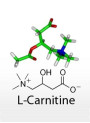
- L-Carnitine and Glycolic acid: These are highly hygroscopic and absorbed moisture, leading to dissolution. They are still effective, but the concentration per unit weight is reduced due to the absorbed water. To prevent this, store them in a vacuum box, ideally with a Silica packet, or in the refrigerator. They are still usable, but the potency might be slightly lower.
Related Products Mentioned
Vitamin C (L-ascorbic acid) (Ultra-Fine)
Glycerin (USP/Food Grade)
L-Carnitine (Carnitine)
Glycopure™ (Glycolic Acid (AHA) Powder)