Review and Adjustments for a Cream Formulation for Dry, Sensitive Skin
Question
I am developing a cream formulation for dry and sensitive skin. Could you please review my proposed formula and provide feedback on potential issues, especially regarding ingredient compatibility, texture, and suitability for sensitive skin?
My proposed formulation includes:
- High percentages of various butters (Shea Butter, Mango Butter, Cocoa Butter) and oils (Jojoba Oil, Fractionated Coconut Oil, Macadamia Nut Oil)
- Essential Oil (around 7.41%)
- Vitamin E (Tocopheryl Acetate) (around 1.49%)
- Glycerin (around 2.23%)
I am concerned about potential irritation from Essential Oils, the appropriate usage rate for Vitamin E, the compatibility of Glycerin in this base, potential separation issues with the butter/oil blend, and whether the high butter content might result in a hard texture.
Answer
Analysis of Your Cream Formulation for Dry, Sensitive Skin
Thank you for sharing your proposed cream formulation for your dry and sensitive skin. Based on your ingredients and the feedback you received, here is an analysis and some recommendations:
Your formula includes a high percentage of various butters and oils, which is suitable for dry skin. However, there are a few points to consider, especially for sensitive skin:
Essential Oils (7.41%): As the staff mentioned, essential oils can easily irritate sensitive skin. Given your skin type, it is strongly recommended to avoid using any essential oils in this formulation.
Vitamin E (Tocopheryl Acetate) (1.49%): The staff and product description for Vitamin E (Tocopheryl Acetate) recommend a usage rate of 0.1-0.5% for antioxidant benefits to the skin. Using more than 0.5% can result in a sticky feeling. Your proposed 1.49% is higher than the recommended maximum for skin feel. Consider reducing the percentage to 0.1-0.5%.
Glycerin (2.23%): The staff correctly pointed out that Glycerin is water-soluble and will not properly mix into an oil-based formula like yours. This will cause the formula to separate. You should remove Glycerin from this formulation.
Butter and Oil Blend: Your formula has a high concentration of Shea Butter, Mango Butter, Cocoa Butter, Jojoba Oil, Fractionated Coconut Oil, and Macadamia Nut Oil. While these are excellent for dry skin, mixing many different oils and butters, especially at high percentages, can sometimes lead to separation over time. For personal use, this might not be a major issue if you are able to remix it, but for better stability, especially if making a larger batch, consider adding a small amount (around 1%) of an oil blender like Oil Blender, as suggested by the staff. The product description for Oil Blender indicates it helps combine various oils for a smoother texture and can prevent clumping.
Texture: With such a high percentage of butters (Shea Butter 37.04%, Mango Butter 25%, Cocoa Butter 12%), the final texture might be quite hard at room temperature. The staff's recommendation to make a small test batch first is very good advice. This will allow you to see if the texture is suitable for your preference.
Summary of Recommended Adjustments:
- Remove Essential Oils completely due to sensitive skin.
- Reduce Vitamin E (Tocopheryl Acetate) to a maximum of 0.5% to avoid stickiness.
- Remove Glycerin as it will not mix into the oil base.
- Consider adding Oil Blender (around 1%) for better stability, especially if making a larger batch.
- Make a small test batch to check the texture and adjust the butter/oil ratios if needed to achieve your desired consistency.
By making these adjustments, you can create a cream that is more suitable for your sensitive skin and has a more stable and potentially better texture.
Related Products Mentioned
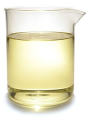
Vitamin E (Tocopheryl Acetate)
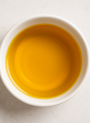
Jojoba Oil (Golden - Deodorized)
Macadamia Nut Oil (Deodorized)
Shea Butter (Refined , Deodorised)
Cocoa Butter (Deodorized, Refined)
Glycerin (USP/Food Grade)
Fractionated Coconut Oil