Review and Adjustments for Melasma, Wrinkle, and Dry Skin Formulations
Question
I have two cosmetic formulations targeting melasma, wrinkles, and dry skin. I would like advice on whether I need to adjust the pH or make any other changes to the formulas.
Formula 1: Melasma, Wrinkles, Dry Skin
- น้ำกลั่น ปราศจากเชื้อ
- Light Cream Maker™ 1%
- Activated Resorcinol™ 1%
- Safe-B3™ (Vitamin B3, Niacinamide) 5%
- Tranexamic Acid (Trans-White™) 3%
- LipidSoft™ 5%
- Reservoir-Tech (กักเก็บส่วนผสมใต้ผิว) 3%
- Bisabolol (German Chamomile Extract) 1%
- isopropyl myristate 4%
- Phenoxyethanol SA (Optiphen Plus) 1%
Formula 2: Melasma, Dark Spots, Wrinkles, Moisturizing (Dry Skin)
- water
- Galactomyces Ferment Filtrate (Pitera) 37%
- Rose Hip Oil (Extra Virgin Organic Fresh) 2.5%
- Activated Resorcinol™ .05%
- Bisabolol (German Chamomile Extract) .05%
- isopropyl myristate 1.5%
- Light Cream Maker™ .05%
Do I need to adjust the pH or increase/decrease anything in these formulas?
Answer
Formulation Review and Recommendations
Here is a review of your two formulas for melasma, wrinkles, and dry skin, along with recommendations for adjustments.
Formula 1: Melasma, Wrinkles, Dry Skin
This formula contains good active ingredients for targeting melasma and wrinkles, such as Activated Resorcinol, Safe-B3 (Niacinamide), and Tranexamic Acid. It also includes moisturizing and skin-conditioning ingredients like LipidSoft, Reservoir-Tech, Bisabolol, and Isopropyl Myristate, along with Light Cream Maker as an emulsifier and Phenoxyethanol SA as a preservative.
Recommendations for Formula 1:
- pH Adjustment: The optimal pH range for Activated Resorcinol is 4.5-5.5, and Phenoxyethanol SA works best in the range of 2.0-6.0. Safe-B3 and Tranexamic Acid have broader compatible ranges (3-8). To ensure the best efficacy and stability of your active ingredients and preservative, adjust the final pH of the formula to be within the range of 4.5-5.5.
- Stability Enhancers: Activated Resorcinol can discolor over time, and Tranexamic Acid can also experience long-term discoloration. To help prevent this, it is recommended to add 0.2% Disodium EDTA and 0.5% ActiveProtec™ OX to the formula.
- Ingredient Percentages: The percentages used for most ingredients are within the recommended ranges. However, you mentioned "LipidSoft™" without specifying the type. Ensure the specific type of LipidSoft™ you are using is suitable for your desired texture and does not cause issues like clogging at the 5% concentration, especially for acne-prone skin (e.g., LipidSoft Palm might clog pores at higher amounts, while LipidSoft Lite is very light). The 1% concentration of Light Cream Maker is suitable for emulsifying 5% oil.
Formula 2: Melasma, Dark Spots, Wrinkles, Moisturizing (Dry Skin)
This formula utilizes Galactomyces Ferment Filtrate (Pitera) as a base, combined with Rose Hip Oil, Activated Resorcinol, Bisabolol, Isopropyl Myristate, and Light Cream Maker.
Recommendations for Formula 2:
- pH Adjustment: Similar to Formula 1, the optimal pH range for Activated Resorcinol is 4.5-5.5. Galactomyces Ferment Filtrate has a pH range of 4-7, which is compatible. Adjust the final pH of the formula to be within the range of 4.5-5.5 for optimal Activated Resorcinol efficacy and overall stability.
- Stability Enhancers: Add 0.2% Disodium EDTA to help prevent discoloration of Activated Resorcinol.
- Ingredient Percentages: Several percentages are below the recommended minimum usage rates for efficacy:
- Activated Resorcinol: Increase from 0.05% to at least 0.1%, and ideally up to 1% for better efficacy against melasma and dark spots in a leave-on product.
- Bisabolol: Increase from 0.05% to at least 0.5%, and ideally 1%, for its anti-irritant and skin-benefiting properties.
- Light Cream Maker™: Increase from 0.05% to at least 0.5% to function correctly as an emulsifier and thickener. To achieve a cream texture with 2.5% oil, a concentration of 1-1.5% is likely needed.
- Water: Adjust the percentage of water downwards to accommodate the increased percentages of the other ingredients, ensuring the total formula adds up to 100%.
- Galactomyces Ferment Filtrate: The 37% concentration is high and within the acceptable range (1-100%), but be aware that high doses might feel slightly greasy according to the product description.
By making these adjustments, you can enhance the effectiveness and stability of your formulations.
Related Products Mentioned
Safe-B3™ (Vitamin B3, Niacinamide)
Light Cream Maker™
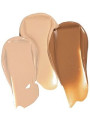
LipidSoft™ CC (Cetyl Ethylhexanoate)
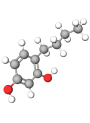

Phenoxyethanol SA (eq. Optiphen Plus)
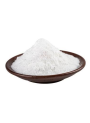
Tranexamic Acid (Trans-White™)
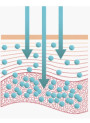
Reservoir-Tech
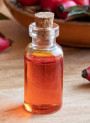
Rosehip Oil (Virgin, Fresh)