Review and Compatibility of Homemade BHA Gel Formulation
Question
I made a homemade BHA gel formulation with the following ingredients:
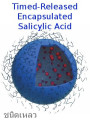
- Encapsulated Salicylic Acid (4%)
- Zinc PCA
- MSM
- Vitamin B3
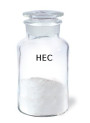
- Hydroxyethyl Cellulose (as thickener)
I followed the method of heating Hydroxyethyl Cellulose to 60-70°C and stirring until clear. I have a few questions about this formulation:
- Is this method generally correct for creating this type of gel, and how can I ensure a clear, lump-free texture?
- What are the recommended storage conditions (refrigerator vs. room temperature) for this gel, considering the Encapsulated Salicylic Acid?
- Can I use Pro Polymer as a thickener instead of Hydroxyethyl Cellulose in this formulation?
- (Note: My skin is thick and oily and has shown high tolerance to high concentrations of acids, including previous use of AHA 50% leave-on and TCA 100% spot treatment.)*
Answer
Homemade BHA Gel Formulation Review
Thank you for sharing your detailed homemade BHA gel formulation and questions. Based on your method, the replies you received, and the properties of the ingredients, here is a review of your formulation and process:
Method Correctness and Gel Quality:
- Your method is generally correct for creating this type of gel. As confirmed by the reply you received, the steps you followed are appropriate.
- The quality of the gel depends on proper mixing and dissolution of ingredients. Heating Hydroxyethyl Cellulose to 60-70°C and stirring until clear is the standard method for this thickener. It can indeed be challenging to achieve a completely clear, lump-free gel at this stage, requiring patient and continuous stirring.
- The combination of Encapsulated Salicylic Acid, Zinc PCA, MSM, and Vitamin B3 in a water-based gel thickened with Hydroxyethyl Cellulose is a viable approach for addressing oily and acne-prone skin.
Storage:
- Storing the gel in the refrigerator is acceptable, as confirmed by the reply.
- Storing at room temperature (up to 25°C) is also fine, provided it's kept away from direct sunlight and heat. The Encapsulated Salicylic Acid is sensitive to high temperatures, which can cause the encapsulation to break down prematurely. Proper storage helps maintain the stability and effectiveness of the encapsulated BHA.
Using Pro Polymer instead of Hydroxyethyl Cellulose:
- As indicated in the reply you received, Pro Polymer is not compatible with this specific formulation.
- The product description for Encapsulated Salicylic Acid also explicitly states that it is incompatible with certain thickeners, including Pro Polymer. To create a gel texture with this type of encapsulated BHA, you must use compatible thickeners like Hydroxyethyl Cellulose or HPMC.
Regarding the high concentration of BHA (4%), it is noted that this is above the typical over-the-counter limit. Your experience with high concentrations suggests your skin tolerance is high, but it is always wise to proceed with caution and monitor for any signs of irritation, as you are doing.
Related Products Mentioned
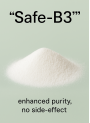
Safe-B3™ (Vitamin B3, Niacinamide)

Pure MSM™ (Methylsulfonylmethane)
Pro Polymer™ (Gel Maker)
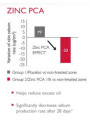
Zinc PCA