Review and Correction of DIY Cosmetic Formulas (Massage Oil, Face Cream, Body Lotion)
Question
I have developed three DIY cosmetic formulas and would like expert review and suggestions for correction. I am a beginner.
Massage oil for firming thighs, buttocks, and abdomen
- Formula:
- Fractionated Coconut Oil 98%
- Chili Hot™ 3x 2%
- Question: Is this formula correct? The staff mentioned Chili Hot™ 3x disperses but doesn't dissolve in oil. Should I use regular Chili Hot™ instead?
- Formula:
Face cream for age 32, with oily T-zone, large pores, acne dark spots. Desired effects: pore tightening, dark spot reduction, clear skin, moisture, and anti-sagging.
- Formula:
- Double Hyaluron Liquid 10%
- Vitamin B6 (Pyridoxine Hydrochloride) 2%
- Glycolic Acid (AHA) 100% Powder 3%
- Vitamin C (L-ascorbic acid) (Ultra-Fine) 15%
- Vitamin E (Tocopheryl Acetate) 0.2%
- Beta Glucan (Saccharomyces cerevisiae extract) 5%
- Phenoxyethanol SA (Optiphen Plus) 1%
- Rose Water (Rosa Damascena) and Rose Petal Water to 100% (Can these be used instead of water?)
- Question: Are there any unnecessary or unsuitable ingredients? Please suggest removals or corrections. I need to order ingredients soon as my current cream is finished.
- Formula:
Body lotion for very dry skin. Desired effects: very white, very moisturized, smooth, fast-absorbing, non-sticky texture.
- Formula:
- Satin Cream Maker™ 1%
- Glycolic Acid (AHA) 100% Powder 5%
- Vitamin C (L-ascorbic acid) 15%
- Sodium PCA 50% 10%
- Sodium Lactate (60% Liquid) 10%
- Natural Urea 5%
- Phenoxyethanol SA 1%
- Distilled Water 53%
- Proposed Method: Add ingredients 2, 3, 4, 5, 6 into 8, mix, then add 7, mix, then add 1.
- Question: Is this formula and method correct? Will it achieve the desired effects and texture?
- Formula:
Answer
Hello! I will help check the correctness of the formulas you inquired about. I will explain based on the information provided by the staff and give additional recommendations for the third formula.
1. Massage oil for firming thighs, buttocks, and abdomen
- Your proposed formula: Fractionated Coconut Oil 98%, Chili Hot™ 3x 2%
- Recommendation: As the staff informed, Chili Hot™ 3x disperses, it does not dissolve in oil, making it suitable for gel or cream formulas. If you want to make a massage oil, you should use regular Chili Hot™ instead, which dissolves directly in oil.
2. Face cream (for oily T-zone, large pores, acne dark spots, wants firming, pore tightening, dark spot reduction, clear skin, moisture, and anti-sagging)
- Your proposed formula: Double Hyaluron Liquid 10%, Vitamin B6 2%, Glycolic Acid (AHA) 100% Powder 3%, Vitamin C (L-ascorbic acid) 15%, Vitamin E 0.2%, Beta Glucan 5%, Phenoxyethanol SA 1%, Rose Water/Rose Petal Water to 100%.
- Recommendation: This formula contains several good ingredients that address your needs. However, as the staff mentioned, this formula cannot be mixed directly for the following reasons:
- Vitamin C (L-ascorbic acid): This type of Vitamin C is not stable in direct water-based formulas. Using it as a powder mixed into a water formula will cause it to degrade quickly and may not be effective. It is better to use a Vitamin C derivative that is more stable in water, or use L-ascorbic acid in an appropriate base (e.g., a pH-adjusted serum).
- Beta Glucan: Beta Glucan in this formula may precipitate. The formula is too liquid. Beta Glucan requires a certain level of viscosity to help it disperse and remain stable within the formula.
- Glycolic Acid (AHA): AHA is highly acidic. Using it in a formula requires measuring and adjusting the pH to be suitable, which can be difficult for beginners. If the pH is too low, it can cause skin irritation. The staff recommended using other exfoliating ingredients that do not require pH adjustment, such as Willow Bark Extract or Yeast Resurface.
- Vitamin E: Vitamin E is oil-based. This formula lacks an oil-in-water emulsifier, so it cannot combine water and oil phases into a cream. An emulsifier is necessary for cream formulas.
- Summary for Formula 2: This formula needs adjustments to the ingredients and mixing method to achieve a stable cream and ensure the ingredients are effective. Using high concentrations of L-ascorbic acid and AHA together in an unstable formula can cause irritation.
3. Body lotion (for very dry skin, wants very white, very moisturized, smooth, fast-absorbing, non-sticky texture)
- Your proposed formula: Satin Cream Maker™ 1%, Glycolic Acid (AHA) 100% Powder 5%, Vitamin C (L-ascorbic acid) 15%, Sodium PCA 50% 10%, Sodium Lactate (60% Liquid) 10%, Natural Urea 5%, Phenoxyethanol SA 1%, Distilled Water 53%.
- Your proposed method: Add 2,3,4,5,6 into 8, mix, add 7, mix, add 1.
- Recommendation:
- Satin Cream Maker™: This is a good emulsifier, but 1% might be slightly low if there were an oil phase in the formula (although this formula is primarily water-based). Also, the mixing method you described (adding the emulsifier last) is not the correct way to create an emulsion. Most emulsifiers need to be combined with the water or oil phase at an appropriate step to form a cream.
- Glycolic Acid (AHA) 5% and Vitamin C (L-ascorbic acid) 15%: Similar to formula 2, using high concentrations of AHA and L-ascorbic acid together in a water formula is very challenging.
- Instability: L-ascorbic acid is unstable in water and degrades quickly.
- pH Level: Both AHA and L-ascorbic acid are highly acidic. Mixing them into a formula will significantly lower the pH. If not properly controlled, a very low pH can cause severe skin irritation. Using 5% AHA and 15% L-ascorbic acid together might result in a pH below the safe level for skin application.
- Irritation: For relatively dry skin, using 5% AHA and 15% L-ascorbic acid can cause irritation, stinging, redness, or dry peeling skin.
- Moisturizing Ingredients: Sodium PCA, Sodium Lactate, and Urea are good moisturizing ingredients. However, combining them with high concentrations of acids might reduce their effectiveness or cause compatibility issues.
- Texture: While Satin Cream Maker™ can help create a smooth texture, the high concentration of humectants (Sodium PCA, Sodium Lactate, Urea) might feel slightly sticky. The high acid levels will likely affect the final texture and feel.
- Summary for Formula 3: This formula has issues with the stability of Vitamin C and AHA, the necessary pH control, the risk of irritation for dry skin, and an incorrect mixing method. It requires significant revision.
Further Suggestions:
Since all three formulas you proposed have limitations in mixing and effectiveness, I recommend considering revising the formulas. If you would like me to help revise the formulas for you, taking into account suitable ingredients for your skin type and needs, as well as the correct mixing methods, please let me know. Alternatively, using a pre-made base for easier incorporation of active ingredients is also a good option.
Please let me know if you have any further requirements. I am happy to provide recommendations to help you get suitable and safe formulas.
Related Products Mentioned
Vitamin E (Tocopheryl Acetate)
Vitamin C (L-ascorbic acid) (Fine)
Sodium Lactate (60% Liquid, Natural)
Urea (High Purity, Cosmetics, Powder)
Sodium PCA 50%
Fractionated Coconut Oil
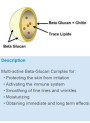

Satin Cream Maker™
Double Hyaluron Liquid
Vitamin B6 (Pyridoxine Hydrochloride)
Glycopure™ (Glycolic Acid (AHA) Powder)

Purified Water, TDS Limit 1PPM)

Phenoxyethanol SA (eq. Optiphen Plus)
Rose Water (Rosa Damascena)