Review and Improvement of Homemade Face Serum, Face Cream, and Body Cream Formulas
Question
I am interested in making my own creams and would like feedback on the formulas I have created. Please review if they can be used and how I can improve them, as I am new to this. Thank you.
Here are the formulas:
Face Serum (Morning/Evening)
- Vitamin C (L-ascorbic acid) (Ultra-Fine) 5%
- Vitamin E (Tocopheryl Acetate 20%)(Water-Soluble) (Alpha) 3%
- Hyaluronic Acid (Japan) 1%
- ActiveProtec™ UV (Water-Soluble) 2%
- Sterile/Distilled water 89%
Face Cream (Morning/Evening)
- Natural White Beeswax (USA, Melting 62C) 5%
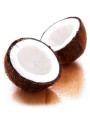
- Fractionated Coconut Oil 27%
- Polysorbate 20 (Tween 20) 10%
- VersaMoist™ (Peg/ppg-14/7 dimethyl ether) 3%
- Sterile/Distilled Water 52%
- Alpha Arbutin (China, Crystal Form) 2%
- Z-White™ 1%
Body Cream (Morning/Evening)
- Natural White Beeswax (USA, netting 62C) 5%
- Fractionated Coconut Oil 30%
- Polysorbate 20 (Tween 20) 10%
- Double Glycerin 15%
- Sterile/Distilled Water 100%
- Vitamin C (L-ascorbic acid) (Ultra-Fine) 15%
- Vitamin E (Tocopheryl Acetate 20%)(Water-Soluble) (Alpha) 3%
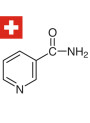
- Safe-B3™ (Vitamin B3, Niacinamide, Switzerland) 8%
- VersaMoist™ (Peg/ppg-14/7 dimethyl ether) 3%
- Z-White™ 1%
- Activated Resorcinol™ 1%
- Kojic Acid Dipalmitate 3%
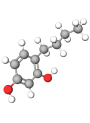
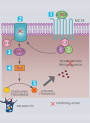
- MSH White™ (Undecylenoyl phenylalanine) 2%
- GlucoBright™ (Acetyl glucosamine) 4%
Answer
Feedback on Your Homemade Cosmetic Formulas
It's great that you're exploring making your own cosmetics! It can be a rewarding hobby. Let's take a look at the formulas you provided and discuss some points for improvement, especially focusing on stability and safety.
Face Serum (Morning/Evening)
Your serum formula is water-based and includes several beneficial water-soluble ingredients:
- Vitamin C (L-ascorbic acid) (Ultra-Fine) 5%: L-ascorbic acid is a potent form of Vitamin C, but as the product description notes, it has low stability when dissolved in water and requires a low pH (ideally 2.0-4.0, with FDA requiring at least 3.5 for leave-on products) to remain stable. This low pH can be irritating to the skin. Consider using a more stable Vitamin C derivative like Sodium Ascorbyl Phosphate or Magnesium Ascorbyl Phosphate, or carefully adjusting the pH and using stabilizers if you wish to continue using L-ascorbic acid.
- Vitamin E (Tocopheryl Acetate) (Water-Soluble) 3%: The water-soluble form of Vitamin E Acetate is suitable for this water-based formula and can help provide antioxidant benefits and protect other ingredients from oxidation, as mentioned in its description.
- Hyaluronic Acid (Japan) 1%: This is a good humectant for hydration. The description confirms this type dissolves easily in water and is suitable for serums.
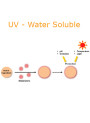
- ActiveProtec™ UV 2%: This ingredient helps protect the formula itself from UV degradation, as its description indicates. While it contains UV filters, it is not a substitute for a dedicated sunscreen for skin protection.
Critical Missing Component: Your serum formula is primarily water-based and lacks a preservative. This is a critical omission. Without a suitable preservative system, the serum is highly susceptible to microbial growth (bacteria, mold, yeast), which can spoil the product quickly and be harmful to your skin. You must add a broad-spectrum cosmetic preservative to this formula.
Suggestions for Improvement:
- Add a Preservative: Incorporate a suitable broad-spectrum preservative at the manufacturer's recommended usage rate.
- Address Vitamin C Stability: Either adjust the pH to the stable range for L-ascorbic acid (and be mindful of potential irritation) or switch to a stable Vitamin C derivative.
- Consider a Chelating Agent: Adding a chelating agent like Disodium EDTA can help improve the stability of ingredients like Vitamin C by binding to metal ions in the water.
Face Cream (Morning/Evening)
This formula is intended as an emulsion (mixture of oil and water phases). It includes:
- Natural White Beeswax 5% and Fractionated Coconut Oil 27%: These form the oil phase (total 32%). Beeswax acts as a thickener and emollient, as described.
- Polysorbate 20 (Tween 20) 10%: Polysorbate 20 is a non-ionic emulsifier/solubilizer. While it can help, using it as the sole emulsifier for an oil phase of 32% is likely insufficient to create a stable emulsion that won't separate over time, especially at this concentration. Its description notes it's incompletely soluble in oil.
- VersaMoist™ 3%: This ingredient helps with moisturization and can act as an emulsion stabilizer, according to its description, but it is not a primary emulsifier.
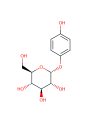
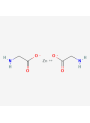
- Alpha Arbutin (China, Crystal Form) 2% and Z-White™ 1%: These are included for skin brightening. The description for Alpha Arbutin notes its pH sensitivity (needs pH 3.5-6.5, avoid >8) and light sensitivity, suggesting the need for protection (like ActiveProtec™ OX) and opaque packaging.
Critical Missing Component: Like the serum, this cream formula contains a significant water phase and lacks a preservative. This is essential for preventing microbial contamination and spoilage. You must add a broad-spectrum cosmetic preservative.
Suggestions for Improvement:
- Add a Preservative: Incorporate a suitable broad-spectrum preservative.
- Improve Emulsion Stability: Use a more robust emulsifier system designed for creams (O/W emulsions). This might involve combining Polysorbate 20 with other emulsifiers or using a different primary emulsifier altogether.
- Protect Alpha Arbutin: Ensure the final pH is within the recommended range (3.5-6.5) and consider using a chelating agent and opaque packaging to protect Alpha Arbutin from degradation.
Body Cream (Morning/Evening)
This formula contains a high concentration of active ingredients aimed at brightening and moisturizing. However, there is a critical error in the percentages listed. The sum of the percentages for all ingredients except water is already 100% (5+30+10+15+15+3+8+3+1+1+3+2+4 = 100%). You also list Sterile/Distilled Water at 100%, which is impossible as the total must sum to 100%. You need to correct the percentages of all ingredients so they sum up to exactly 100%. This will likely involve significantly reducing the percentages of some ingredients or adding a substantial amount of water.
Assuming the intent was to include all these actives, let's discuss the ingredients:
- High Concentration of Whitening Agents: This formula includes a large number of potent whitening ingredients at relatively high concentrations: Vitamin C (L-ascorbic acid) 15%, Safe-B3™ (Niacinamide) 8%, Activated Resorcinol™ 1%, Kojic Acid Dipalmitate 3%, MSH White™ 2%, GlucoBright™ 4%, and Z-White™ 1%. While some combinations can be synergistic (e.g., Safe-B3™ and GlucoBright™, L-Ascorbic Acid and Kojic Acid Dipalmitate, MSH White™ with others), using this many actives at high percentages significantly increases the risk of skin irritation, sensitization, and potential compatibility issues between ingredients. Activated Resorcinol's description notes that high doses can cause irritation and advises against combining it with Alpha Arbutin (though Alpha Arbutin is not in this specific formula, it highlights potential issues with combining actives with similar mechanisms). Kojic Acid Dipalmitate is oil-soluble and needs heat to dissolve (description).
- Vitamin C (L-ascorbic acid) 15%: As noted for the serum, L-ascorbic acid is unstable in water-based formulas, especially at this high concentration. Its description confirms low stability in water and the need for low pH. This will likely degrade quickly in a cream base unless specifically stabilized.
- Emulsifier System (Natural White Beeswax 5% and Polysorbate 20 10%): Similar to the face cream, this system is likely inadequate to create a stable emulsion with a 30% oil phase plus the additional active ingredients. Polysorbate 20's description mentions incomplete oil solubility.
- Double Glycerin 15% and VersaMoist™ 3%: These are good humectants for moisturizing, as their descriptions indicate. Double Glycerin is noted as being soluble in both water and oil.
Critical Missing Component: This formula also lacks a preservative. Given the high water content (once the percentages are corrected) and numerous ingredients, a preservative is absolutely essential for safety and product longevity.
Suggestions for Improvement:
- Correct Percentages: This is the most urgent step. Adjust all percentages so they sum to 100%, ensuring a realistic amount of water is included.
- Add a Preservative: Incorporate a suitable broad-spectrum preservative.
- Simplify Active Combination/Reduce Concentration: For a beginner formula, using this many high-potency actives is ambitious and risky. Consider focusing on 2-3 key whitening ingredients at appropriate concentrations to minimize irritation risk and formulation complexity. Refer to product descriptions for recommended usage rates and compatibility notes.
- Address Vitamin C Stability: If using L-ascorbic acid, address its stability issues as mentioned for the serum. Alternatively, use a stable derivative.
- Improve Emulsion Stability: Use a more suitable and robust emulsifier system for a cream/lotion formula.
- Consider pH: Ensure the final pH is appropriate for the chosen actives (e.g., Alpha Arbutin needs 3.5-6.5, L-Ascorbic Acid needs low pH, Safe-B3™ works best at 4.0-7.0). This can be challenging with multiple actives having different optimal pH ranges.
General Advice for Beginners:
- Start Simple: Begin with formulas that have fewer ingredients and simpler structures (e.g., basic serums or lotions) to understand the process.
- Accuracy is Key: Precise weighing and measuring of ingredients are crucial.
- Understand Ingredients: Read product descriptions carefully to understand solubility, usage rates, pH requirements, stability, and compatibility.
- Preservatives are Non-Negotiable: Always include a suitable preservative in any formula containing water.
- Test Compatibility: Before making a large batch, make a small test batch to check for stability (separation, discoloration, texture changes) and compatibility issues.
- Patch Test: Always perform a patch test on a small area of your skin before applying a new formula to your face or body to check for irritation or allergic reactions.
Making your own cosmetics is a learning process. By addressing these points, you can create safer and more stable products. Good luck!
Related Products Mentioned
GlucoBright™ (Acetyl Glucosamine)
Vitamin C (L-ascorbic acid) (Ultra-Fine)
Kojic Acid Dipalmitate
Fractionated Coconut Oil
Polysorbate 20 (Tween 20)
MSH White™ (Undecylenoyl phenylalanine)
Alpha Arbutin (China, Crystal Form)

Hyaluronic Acid (Japan)
ActiveProtec™ UV
Z-White™