Review and Mixing Steps for Anti-Aging & Whitening Serum Formulation
Asked by: baby_monalisa
On: May 19, 2014
Product Type:
Cosmetics
Answered
Question
I am a beginner formulating a skin care product (100g) with anti-aging and whitening benefits. I would like feedback on the following ingredients and percentages, as well as detailed mixing steps.
Ingredients:
- DMAE Bitartrate (25g)
- Butylene Glycol (20g)
- Repair Activator™ (10g)
- Matrixyl™ 3000 (5g)
- Argireline® (10g)
- Natto Gum (5g)
- MOIST72™ (2g)
- Soy Extract (10g)
- Xanthan Gum (1g)
Whitening Ingredients (to be added):
- Tranexamic Acid
- Lemon Peel Bioferment
- Azelaic Acid
Please advise on the suitability of the ingredient concentrations and provide mixing instructions for this formulation.
Answer
Formulation Feedback
- DMAE Bitartrate (25g or 25%): This amount is very high. The recommended usage rate for DMAE (such as SkinTight MD™ Liquid which contains 50% DMAE Bitartrate) is typically 1-10%, with 3% being commonly recommended. Using it at 25% (which translates to 12.5% actual DMAE Bitartrate if using the 50% liquid form) is likely to cause significant skin irritation and stickiness. It is strongly recommended to reduce the concentration to no more than 10%, and ideally start around 3-5%, especially if you have sensitive skin.
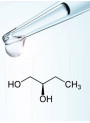
- Butylene Glycol (20g or 20%): As the staff mentioned, 20% is quite high. While it acts as a solvent and humectant, 5-10% is usually sufficient for these purposes and helps avoid a potentially sticky texture.
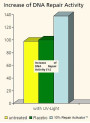
- Repair Activator™ (10g or 10%): This ingredient (like Repair Activator™ BG or WS) is Bifida Ferment Lysate, which helps with DNA repair. The usage rate is typically 5-100%. 10% is within the recommended range.
- Matrixyl™ 3000 (5g or 5%): This peptide blend (Pal-GHK, Pal-GQPR) stimulates collagen synthesis. The recommended usage rate is 3-5%, with 3% being recommended. 5% is at the higher end but within the suggested range. It works well with Argireline.
- Argireline® (10g or 10%): This peptide (Acetyl Hexapeptide-8) helps reduce expression lines by relaxing muscle tension. The recommended usage rate is 3-10%. 10% is at the higher end but within the suggested range. It works well with Matrixyl 3000.
- Natto Gum (5g or 5%): This provides moisture (Polyglutamic Acid) and gentle whitening. The recommended usage rate is 3-10%, with 5% being recommended. 5% is within the recommended range. Note that it is a weak electrolyte and might affect some thickeners.
- MOIST72™ (2g or 2%): This provides long-lasting hydration. The recommended usage rate is 2-5%, with 2-3% for normal skin and 5% for very dry skin. 2% is within the recommended range for normal skin.
- Soy Extract (10g or 10%): There are different types of soy extracts (e.g., Tryptic-Soy™, Isoflaqua™). Tryptic-Soy™ is typically used at 0.1-5%, and Isoflaqua™ at 0.1-1.0%. 10% is significantly higher than the recommended rate for these specific products. Please check the recommended usage rate for the specific Soy Extract product you are using. Soy extracts can offer anti-aging, brightening, and moisturizing benefits.
- Xanthan Gum (1g or 1%): This is a common thickener. The recommended usage rate is 0.1-2%, with 1% being recommended. 1% is a typical amount for thickening a serum or light cream.
- Whitening Ingredients: Tranexamic Acid, Lemon Peel Bioferment, and Azelaic Acid target pigmentation through different mechanisms and can be used together.
- Tranexamic Acid: If using the powder form (Trans-White™), the maximum allowed usage in cosmetics is 3%. If using Nano-TXA™ (a nano emulsion containing 3% Tranexamic Acid), it is used as a base at 90-100%. Ensure you are using the correct type and concentration according to regulations and supplier recommendations.
- Lemon Peel Bioferment (Lemon Skin™): Recommended usage is 0.5-5%, with 2-3% recommended.
- Azelaic Acid (Liquid Azelaic™): Recommended usage is 5-10%, with 10% recommended for brightening and oil control.
In summary, the DMAE concentration is the most critical to reduce significantly. The Butylene Glycol and Soy Extract amounts should also be reviewed against the specific product recommendations.
Mixing Steps
For a water-based serum or light cream like this, the general mixing steps are:
- Prepare the Water Phase: Measure out the water and Butylene Glycol.
- Disperse Thickener: Disperse the Xanthan Gum in the Butylene Glycol first to prevent clumping.
- Hydrate Thickener: Add the Butylene Glycol/Xanthan Gum mixture to the water while stirring or blending at high speed until the Xanthan Gum is fully hydrated and a uniform gel or thickened liquid is formed. You can gently heat this phase if needed, but avoid prolonged high heat.
- Cool Down: Allow the thickened base to cool down to below 40°C. This is crucial as many active ingredients are heat-sensitive.
- Add Actives: Add the active ingredients one by one, stirring gently after each addition until fully dispersed or dissolved. This includes Repair Activator, Matrixyl 3000, Argireline, DMAE, Natto Gum, MOIST72, Soy Extract, Tranexamic Acid, Lemon Peel Bioferment, and Azelaic Acid. Ensure each ingredient is fully incorporated before adding the next.
- Adjust pH: Check the pH of the final mixture. The optimal pH range for most of these actives is between 4 and 7. Adjust if necessary using a suitable pH adjuster.
- Add Preservative: Add your chosen preservative at the recommended rate and mix well.
- Final Mix and Package: Give the mixture a final gentle stir and package into clean containers.
Remember to always follow good manufacturing practices, including sanitizing your equipment and workspace.
Related Products Mentioned
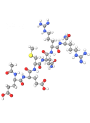
Acetyl Hexapeptide-8 (eq Argireline)
Cosmetics
Pal-GHK, Pal-GQPR (eq Matrixyl 3000)
Cosmetics
Lemon Peel Bioferment (Lemon Skin™)
Cosmetics
MOIST72™
Cosmetics
Butylene Glycol
Cosmetics
Natto Gum Extract
Cosmetics
DMAE (SkinTight MD™) Liquid
Cosmetics
Tranexamic Acid (Trans-White™)
Cosmetics
Tryptic-Soy™
Cosmetics