Review and Optimization of Whitening Cream Formula
Question
Expert review and recommendations for a skin whitening cream formula containing Alpha Arbutin, Tranexamic Acid, Niacinamide, Melanin Terminate, Resveratrol, Pure-Sclareolide, Lemon Peel Bioferment, Hyaluronic Acid, WaterLock, and Protec SQ, specifically asking for advice on ingredient levels, additions, reductions, and overall formulation considerations.
Answer
Formulation Review and Recommendations
Your formula includes several powerful whitening agents: Alpha Arbutin, Tranexamic Acid, Niacinamide, Melanin Terminate, Resveratrol, Pure-Sclareolide, and Lemon Peel Bioferment. It also includes moisturizing agents like Hyaluronic Acid and WaterLock, and a stabilizer Protec SQ.
Here's a breakdown of considerations for each ingredient and the overall formula:
Whitening Agents
- Alpha Arbutin (2%): This is the maximum recommended usage rate for significant whitening. Ensure your final cream pH is between 3.5-6.5, as Alpha Arbutin can break down at higher pH levels. Adding ActiveProtec™ OX at around 0.6% is recommended to help prevent discoloration of the formula over time.
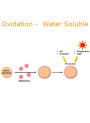
- Tranexamic Acid (3%): This is the maximum allowed concentration for cosmetic products without requiring drug registration. It's effective for reducing blemishes and hyperpigmentation. Like Alpha Arbutin, adding ActiveProtec™ OX (around 0.5%) can help maintain its stability and prevent discoloration.
- Niacinamide (Safe-B3) (10%): Using Safe-B3™ allows for this high concentration without typically causing flushing or redness, unlike standard Niacinamide. 10% is a high but acceptable concentration for potent effects on hyperpigmentation, barrier function, and oil control. The optimal pH range for Niacinamide is 4.0-7.0, fitting well with the requirements for Alpha Arbutin and Tranexamic Acid.
- Melanin Terminate (0.1%): This is the maximum recommended usage rate. It works through a different mechanism (endothelin antagonism), which can complement other whitening agents. It should be mixed in the water phase and avoid heat.
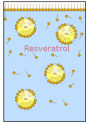
- Resveratrol (3%): This is the maximum recommended usage rate. It's a potent antioxidant with whitening and anti-aging benefits.
- Solubility: Standard Resveratrol powder is not water-soluble. If you are using the powder form (Trans-Resveratrol), you will need a solvent like Ethoxydiglycol (e.g., 1-5%) to properly dissolve it and aid skin penetration. If you are using a water-soluble form like ActiveRelease™ or Micromul™, a solvent is not necessary for dissolution, but Ethoxydiglycol can still enhance penetration.
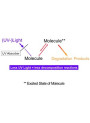
- Stability: You've included Protec SQ (3-5%) which is excellent for stabilizing Resveratrol against UV light and oxidation. Protec SQ is oil-soluble and should be added to your oil phase.
- Pure-Sclareolide (0.2%): This is the maximum recommended usage rate. It's effective for skin brightening, especially against UV-induced darkening. It is soluble in oil, glycol, and alcohol.
- Lemon Peel Bioferment (Lemon Skin) (2%): This concentration is within the recommended range (0.5-5%, with 2-3% recommended). It's a tyrosinase inhibitor. It should be added in the final step below 40°C and kept within a pH of 3.5-7.
Moisturizing Agents
- Hyaluronic Acid (0.03%): This concentration seems very low for Hyaluronic Acid powder to provide significant hydration. The recommended usage rate for standard Hyaluronic Acid for normal skin is typically 0.1-0.5%. Increasing the concentration to at least 0.1% (or using a blend of different molecular weights, such as standard and low molecular weight) would likely improve the moisturizing effect. If you are using a pre-made Hyaluronic Acid Gel Base, the percentage might refer to the base itself, but if you are adding HA powder, 0.03% is minimal.
- WaterLock (2%): This is the maximum recommended usage rate for dry skin, which is good for enhancing moisture retention and providing a smooth feel. It is water-soluble and tolerates heat and pH 3-8.
Stabilizer
- Protec SQ (3-5%): Your chosen range is appropriate for stabilizing sensitive actives like Resveratrol. Remember to incorporate this into the oil phase of your cream.
Overall Formulation Considerations
- pH Adjustment: With multiple actives requiring specific pH ranges (Alpha Arbutin 3.5-6.5, Niacinamide 4.0-7.0 optimum, Lemon Peel Bioferment 3.5-7, Tranexamic Acid 3-8), achieving a final pH between 4.0 and 6.5 is crucial for the efficacy and stability of most of your key whitening ingredients. You will need to measure and adjust the pH of your final formulation.
- Potential for Irritation: This formula contains a very high concentration and variety of potent actives. While designed for strong whitening, this combination significantly increases the risk of skin irritation, redness, or sensitivity, especially for individuals with sensitive skin. It is highly recommended to perform patch testing before widespread use. If irritation occurs, you might consider reducing the concentration of Niacinamide or other actives, or staggering their use in different products.
- Cream Base: Your list focuses on the active ingredients. A complete cream formulation requires a base including an emulsifier system (to combine oil and water phases), thickeners, emollients, and importantly, a preservative system to prevent microbial growth. Ensure your base is compatible with the pH requirements of your actives.
- Mixing Procedure: Pay close attention to the mixing instructions for each ingredient, particularly adding heat-sensitive ingredients like Melanin Terminate and Lemon Peel Bioferment in the final cooling phase (below 40°C for Lemon Peel Bioferment, avoid heat for Melanin Terminate). Resveratrol powder needs to be dissolved in a suitable solvent before adding to the formula.
In summary, your formula contains a powerful blend of whitening ingredients at effective concentrations. The main areas for potential adjustment or careful consideration are: ensuring proper pH control, addressing the solubility of Resveratrol if using the powder form, increasing the Hyaluronic Acid concentration for better hydration, and being highly aware of the increased potential for skin irritation due to the high load of actives.
Related Products Mentioned
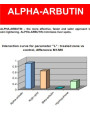
Alpha Arbutin (Switzerland)

Safe-B3™ (Vitamin B3, Niacinamide)
Ethoxydiglycol (e.q. Transcutol)
Lemon Peel Bioferment (Lemon Skin™)
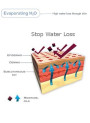
WaterLock™ (Polyquaternium-51)
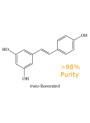
Trans-Resveratrol (Powder, 98%)
Tranexamic Acid (Trans-White™)
Protec™ SQ
ActiveProtec™ OX
SclareoWhite™ (Sclareolide, Pure)
Hyaluronic Acid Gel Base