Review of Acne/Oil Control Formulas for Face and Back
Question
I have two formulas for review. Formula 1 is for the face, targeting clogged pores and oiliness: Water 70.3%, Glycerin 10%, Complex Salicylic Acid 5%, Niacinamide 5%, L-Carnitine 3%, Ethoxydiglycol 2%, Pure-EGCG™ (Green Tea Extract, 98% EGCG) 1%, Licochalcone A 1%, Panthenol ExtraLite™ 1%, Mild Preserved Eco 1%, Xanthan Gum 0.5%, Disodium EDTA 0.2%. Formula 2 is for the back, targeting clogged pores and oiliness: Water 75.3%, Glycerin 10%, Azelaic Acid 5%, Niacinamide 5%, Ethoxydiglycol 2%, Panthenol ExtraLite™ 1%, Mild Preserved Eco 1%, Xanthan Gum 0.5%, Disodium EDTA 0.2%. I am mixing these manually. Could you please review these formulas?
Answer
Subject: Review of Acne/Oil Control Formulas
Thank you for sharing your formulas for review. Both formulas contain a good selection of ingredients targeting clogged pores and oiliness.
Formula 1 (Face):
This formula features:
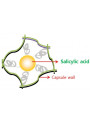
- Complex Salicylic Acid (5%): A potent BHA known for exfoliating inside pores and reducing oil, effective for clogged pores and acne. The 5% concentration is relatively high for a leave-on product.
- Niacinamide (5%): Helps reduce inflammation, improve skin barrier function, and may decrease sebum production.
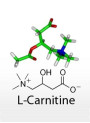
- L-Carnitine (3%): Often used to help control oiliness.
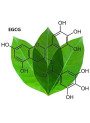
- Pure-EGCG™ (Green Tea Extract, 1%): Provides antioxidant and anti-inflammatory benefits, potentially aiding in oil control.
- Licochalcone A (1%): Known for its soothing and anti-inflammatory properties.
- Glycerin (10%): A humectant providing hydration.
- Panthenol ExtraLite™ (1%): A form of Vitamin B5, offering moisturizing and soothing effects.
- Ethoxydiglycol (2%): Acts as a solvent and penetration enhancer, helping actives absorb better.
- Mild Preserved Eco (1%) & Disodium EDTA (0.2%): Preservative system and chelating agent for stability.
- Xanthan Gum (0.5%): Provides viscosity.
This is a strong formula for addressing clogged pores and oiliness on the face. The 5% Salicylic Acid can be very effective, but also potentially irritating, especially when starting out. The combination with Niacinamide, L-Carnitine, and EGCG provides a multi-pronged approach to oil control and inflammation. The inclusion of Licochalcone A and Panthenol helps soothe the skin. The 10% Glycerin might make the texture feel a bit sticky for some, but it helps balance the formula.
Formula 2 (Back):
This formula is similar but uses Azelaic Acid instead of Salicylic Acid and some other actives:
- Azelaic Acid (5%): Effective for acne and inflammation, helps unclog pores and reduce redness. 5% is a standard and effective concentration.
- Niacinamide (5%): Same benefits as in Formula 1 (inflammation, barrier, oil).
- Glycerin (10%), Ethoxydiglycol (2%), Panthenol ExtraLite™ (1%), Mild Preserved Eco (1%), Xanthan Gum (0.5%), Disodium EDTA (0.2%): These serve similar roles as in Formula 1 (hydration, solvent, soothing, preservation, viscosity, stability).
This formula is well-suited for body acne/clogged pores, particularly on the back. Azelaic Acid at 5% is a standard and effective concentration. It's often well-tolerated, though some initial itching or burning can occur. The combination with Niacinamide is excellent for tackling inflammation and oiliness.
Regarding Manual Mixing:
Mixing cosmetics manually can be challenging, especially with formulas containing ingredients like powders (Salicylic Acid Complex, Azelaic Acid) and thickeners (Xanthan Gum).
- Ensuring accurate measurement of small percentages is difficult without a precise scale.
- Achieving complete dissolution and homogeneous dispersion of all ingredients, especially Xanthan Gum without clumping, requires thorough mixing, often beyond what simple hand stirring can achieve.
- Controlling the pH of the final product is crucial for the efficacy and stability of ingredients like Salicylic Acid and Azelaic Acid, but requires a pH meter.
- Maintaining hygiene during mixing is essential to prevent microbial contamination.
While you can attempt manual mixing, be aware that the final product might not be as stable, effective, or aesthetically pleasing as one made with proper lab equipment.
Recommendations:
- Patch Test: Always perform a patch test on a small area of skin before applying the formula to larger areas, especially given the active concentrations.
- Start Slowly: If you have sensitive skin, consider starting with a lower concentration of actives (e.g., dilute the formula or use less of the active ingredients) and gradually increase as your skin tolerates it.
- Monitor Your Skin: Pay attention to how your skin reacts. If you experience significant irritation, redness, or discomfort, reduce frequency of use or discontinue.
Overall, the ingredient choices are appropriate for your stated concerns. Just be mindful of the potential for irritation and the limitations of manual mixing.
Related Products Mentioned
Safe-B3™ (Vitamin B3, Niacinamide)
Ethoxydiglycol (e.q. Transcutol)
Glycerin (USP/Food Grade)
L-Carnitine (Carnitine)
Disodium EDTA



Panthenol (Vitamin B5) ExtraLite™
Mild Preserved Eco™ (Preservative-Free)