Review of Beginner Lotion Formula with Whitening & Extracts
Question
As a beginner, I would like to ask for a review of the lotion formula I intend to make. Please check if the formula is suitable and provide any additional suggestions.
Here is the proposed formula:
- Soy Extract 10%
- WhiteCumin™ 5%
- Aloe Vera Extract (อัตราสกัด 10:1 FullAssay™) 3%
- Shea Butter (Ultra Soft) 17%
- Lemon Peel Bioferment (Lemon Skin™) 2%
- Tranexamic Acid (Trans-White™) 4%
- MSH White™ 2%
- N-Acetyl-D glucosamine (GlucoBright™) 4%
- Vitamin B3, Niacinamide (Safe-B3™) 2%
- Light Cream Maker™ 1%
- Japanese Cherry Blossom (Bath & Body Works) 2%
- Phenoxyethanol 1%
Answer
Formula Review and Suggestions
Hello! It's great that you're experimenting with making your own lotion. Here's a review of your proposed formula and some suggestions:
General Observations
Your formula includes several excellent ingredients aimed at brightening, moisturizing, and providing antioxidant benefits. However, some ingredient percentages are higher than typically recommended or allowed for cosmetic use.
Ingredient Breakdown and Suggestions
- Soy Extract (Isoflaqua™): You've included this at 10%. The recommended usage rate for Isoflaqua™ is typically 0.1-1.0%. Using a concentration as high as 10% is significantly above the recommended level and may not provide additional benefits while potentially increasing the risk of instability or other issues. It's recommended to reduce the percentage to within the suggested range (e.g., 0.5-1.0%).
- WhiteCumin™ (Turmeric Extract): You're using this at 5%. For WhiteCumin™ (Tetrahydrodiferuloylmethane), the recommended usage rate is usually 0.1-1.0%. A 5% concentration is quite high for this potent extract and could potentially affect the color or stability of the lotion over time. Please verify the recommended usage rate for the specific type of turmeric extract you are using and consider reducing the percentage accordingly.
- Aloe Vera Extract (10:1 FullAssay™): Your usage rate of 3% is within the recommended range. Keep in mind that Aloe Vera Extract is an electrolyte and can affect the viscosity of emulsions made with certain emulsifiers like Light Cream Maker™.
- Shea Butter (Ultra Soft): 17% is a good percentage for providing moisturization and a rich feel, well within the recommended range. Ensure it is fully melted in the oil phase before emulsifying.
- Lemon Peel Bioferment (Lemon Skin™): Your usage rate of 2% is within the recommended range. Remember to add this ingredient during the cool-down phase (below 40°C) as it is heat-sensitive.
- Tranexamic Acid (Trans-White™): You are using this at 4%. In Thailand and ASEAN countries, the maximum allowed concentration of Tranexamic Acid in cosmetic products is 3%. Using a concentration higher than 3% would classify your product as a drug, requiring different regulations and registration. To keep this as a cosmetic lotion, you must reduce the concentration to 3% or less. Also, consider adding ActiveProtec™ OX 0.5% as suggested in the product description to help prevent discoloration over time.
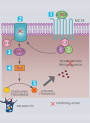
- MSH White™: Your usage rate of 2% is at the higher end of the recommended range (0.5-2%). Ensure it is properly dissolved in the oil phase with heat (around 80°C) before combining with the water phase.
- N-Acetyl-D glucosamine (GlucoBright™): Your usage rate of 4% is within the recommended range and pairs well with Niacinamide for enhanced whitening effects.
- Vitamin B3, Niacinamide (Safe-B3™): Your usage rate of 2% is within the recommended range. While Safe-B3™ allows for higher concentrations without flushing, 2% is a suitable level, especially when combined with GlucoBright™ as recommended.
- Light Cream Maker™: Your usage rate of 1% is within the recommended range for this emulsifier. As mentioned with Aloe Vera Extract, electrolytes can reduce its thickening power. You might need to slightly increase the Cream Maker percentage or follow the specific mixing instructions for formulas containing electrolytes to achieve your desired texture.
- Japanese Cherry Blossom: You are using this fragrance oil at 2%. Fragrance oils are typically used at much lower concentrations in lotions, often between 0.1% and 1%, depending on the specific fragrance's intensity and safety guidelines (IFRA standards). Using 2% might be too high and could increase the risk of skin sensitization or irritation. It is strongly recommended to reduce the fragrance percentage.
- Phenoxyethanol: Your usage rate of 1% is at the higher end of the recommended range for this preservative. While effective against bacteria, you might need to consider adding a co-preservative to ensure adequate protection against fungi, depending on the overall formula composition and water activity.
Additional Formulation Tips
- pH Adjustment: After creating the emulsion, check the final pH of your lotion. It should ideally be between 4.5 and 6.5 for optimal skin compatibility and ingredient stability. Adjust with a suitable acid or base if necessary.
- Mixing Procedure: Follow the specific mixing instructions for each raw material carefully, especially regarding temperature requirements and the order of addition.
- Testing: Before using or distributing the lotion, it is highly recommended to perform stability testing (to ensure the product remains stable over time and under different conditions) and challenge testing (to confirm the preservative system is effective).
Overall, your formula has a good foundation with many beneficial ingredients. Adjusting the percentages of Soy Extract, WhiteCumin™, Tranexamic Acid, and Japanese Cherry Blossom, and paying attention to mixing procedures and testing will help you create a safer and more effective lotion.
Related Products Mentioned
Safe-B3™ (Vitamin B3, Niacinamide)
GlucoBright™ (Acetyl Glucosamine)
Light Cream Maker™
Phenoxyethanol (Extra Pure)
Lemon Peel Bioferment (Lemon Skin™)
Shea Butter (Ultra Soft)
MSH White™ (Undecylenoyl phenylalanine)
Tranexamic Acid (Trans-White™)