Review of Cold Process Physical Sunscreen Formula for Oily Skin
Question
I am formulating a physical sunscreen for oily skin using a cold process method (no heat). I want the texture to be white/smooth, non-greasy, and oil-controlling, with a matte finish.
Here are the ingredients and my proposed mixing steps:
Ingredients:
- Zinc Oxide 200nm EasyDisperse™: 15%
- Titanium Dioxide 200nm EasyDisperse™: 5%
- LipidSoft™ Lite: 20%
- Satin Cream Maker™: 2%
- MatteSilica™: 2%
- MatteSilica XL™: 2%
- Phenoxyethanol SA: 1%
- Water: Balance
Mixing Steps:
- Mix the oil phase ingredients (Zinc Oxide, Titanium Dioxide, LipidSoft Lite) together.
- Mix the water phase ingredients (Satin Cream Maker, Phenoxyethanol SA, Water) together.
- Slowly add the water phase mixture to the oil phase mixture while mixing.
- Add MatteSilica™ and MatteSilica XL™ at the end.
Could you please review this formula and mixing procedure? I want to ensure it meets the desired properties (white/smooth, non-greasy, oil-controlling, matte finish) and is stable using the cold process method.
Answer
Sunscreen Formula Review for Oily Skin
This review addresses your physical sunscreen formula for oily skin, aiming for a white/smooth, non-greasy, oil-controlling finish with no heat required for mixing.
Based on the ingredients you've selected and their properties:
- Physical Filters: Using Zinc Oxide 200nm EasyDisperse™ and Titanium Dioxide 200nm EasyDisperse™ is appropriate for a physical sunscreen. These provide broad-spectrum UV protection. The 200nm particle size contributes to the desired white/smooth look. The concentrations (15% Zinc Oxide, 5% Titanium Dioxide) are suitable for sun protection.
- Emollient: LipidSoft™ Lite is a very light, non-greasy, non-comedogenic emollient suitable for oily skin. It is also low gloss, fitting your matte finish goal. The 20% concentration provides a good emollient base.
- Emulsifier: Satin Cream Maker™ is a heat-free emulsifier and thickener, ideal for cold-process formulations. It creates a soft, smooth cream texture and can handle up to 25% oil, sufficient for your formula.
- Oil Control & Matte Finish: MatteSilica™ and MatteSilica XL™ are excellent for absorbing excess oil and providing a matte finish. MatteSilica XL™ is known for high oil absorption. Using both at 2% each (total 4%) should effectively control shine.
- Preservative: Phenoxyethanol SA is a suitable broad-spectrum preservative added without heat in the final step.
Review of Mixing Steps:
Your proposed steps involve mixing the oil phase (Zinc Oxide, Titanium Dioxide, LipidSoft Lite) first, then adding the water phase (Satin Cream Maker, Phenoxyethanol SA, Water) to the oil phase, and finally adding the MatteSilicas.
The product description for Satin Cream Maker™ generally recommends mixing the emulsifier into the water phase and then adding the oil phase to the water phase while mixing to form the emulsion. Your method is the reverse. While some emulsifiers can work with inverse addition, following the recommended method for Satin Cream Maker™ (adding the oil phase to the water phase) may yield a more stable and consistent emulsion.
Adding the MatteSilica™ and MatteSilica XL™ at the end after the cream has formed is appropriate for incorporating powders into the emulsion.
Overall Assessment:
The ingredients are well-suited for your goals: physical sun protection, matte finish, oil control, non-greasy feel, and cold processing. The combination of physical filters and MatteSilicas should effectively address your requirements.
The primary point to consider is the mixing order for the emulsion. Adjusting to add the oil phase to the water phase containing Satin Cream Maker™ might improve stability.
Related Products Mentioned
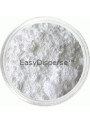

Satin Cream Maker™

Zinc Oxide 200nm EasyDisperse™
MatteSilica 5™ (5 Micron)