Review of Cream Formulation for Combination, Sensitive Skin with Wrinkles & Mixing Questions
Question
I am 48 years old with combination skin (oily T-zone, dry/flaky U-zone), sensitive skin, and deep wrinkles. I plan to make a facial cream using the following formula and would like a review to check for any issues, as well as clarification on the mixing procedure.
Formula:
- Emulsifier: Light Cream Maker
- Water: 50%
Water Phase Ingredients:
- DMAE 10%
- Wrinkle Fill 2%
- BaicaVital 3%
- Safe B3 2%
- n-acetyl glucosamine 4%
- Tomato Extract 5%
- Vitamin B5 5%
- DOUBLE HYA 4%
- Chamomile extract 1%
- Vitamin B6 2%
Oil Phase Ingredients:
- Phytosterol 10%
Preservative: Mild Preserved Eco 1%
My Questions:
- Phytosterol is oil-soluble. Does this mean I need to use an oil as a solvent? Can I use Fractionated Coconut Oil or Sweet Almond Oil? How much oil should I use?
- When mixing the water and oil phases separately, should I add Light Cream Maker to the water phase or the oil phase first?
- After combining the two phases with Light Cream Maker, should I then add DMAE?
- Should the preservative (Mild Preserved Eco) be added last, after the desired cream texture is achieved?
Please help review and advise on the correct steps, as this is my first time formulating and I want to ensure it works correctly.
Answer
Review of Your Cream Formulation
Thank you for sharing your cream formulation and questions. It's great that you are making your own skincare tailored to your skin's needs. Your formula includes many beneficial ingredients for combination, sensitive skin with concerns like wrinkles, large pores, and dryness.
Here's a review of your formula and answers to your questions:
Formula Review
Your formula includes a good selection of actives targeting your concerns:
- Anti-Aging/Wrinkles: DMAE, Wrinkle Fill, BaicaVital, Safe B3, Double Hyaluron Liquid, Phytosterols
- Oil Control/Pore Appearance: Safe B3, Vitamin B6
- Hydration/Dryness: Safe B3, n-acetyl glucosamine, Vitamin B5, Double Hyaluron Liquid, Phytosterols
- Sensitivity/Soothing: Chamomile extract, Safe B3, Vitamin B5, Phytosterols
The percentages of most ingredients are within the recommended ranges. However, please note:
- DMAE (10%): While DMAE is effective for tightening, a 10% concentration is quite high, especially for sensitive skin. The product description recommends 3% and notes that over 5% can cause irritation. You may want to consider reducing this to 3-5% to minimize the risk of sensitivity.
- Vitamin B5 (5%): This is within the usage range, but at 5%, it might contribute to a slightly sticky or gooey texture in the final cream.
- DOUBLE HYA (4%): For dry skin areas, a higher concentration of Double Hyaluron Liquid (5-10%) is generally recommended for better hydration.
- Phytosterol (10%): This is a good percentage for dry skin. However, your total oil phase is only 10% (Phytosterol). Light Cream Maker can emulsify up to 20% oil. While a lower oil phase can result in a lighter cream suitable for your oily T-zone, it might not provide sufficient richness for your dry U-zone. You could consider slightly increasing the oil phase by adding a small amount of another oil if needed, but this would require adjusting the water phase percentage.
Answers to Your Questions
Phytosterol Solubility: Yes, Phytosterol is oil-soluble. You are correct that you need an oil to dissolve it. You can use oils like Fractionated Coconut Oil or Sweet Almond Oil. Since your formula uses Phytosterol as the main oil component at 10%, you will mix the Phytosterol into the oil phase. The amount of oil needed is simply the percentage you've allocated for the oil phase, which is 10% Phytosterol in your current formula.
Light Cream Maker Addition: The Light Cream Maker product description states it can be mixed in the oil phase or the water phase (if there is no oil). A common method for this type of cold-process emulsifier is to add it to the oil phase and then combine the oil phase with the water phase.
Adding DMAE: Yes, you are correct. DMAE should be added in the final step, after the cream has formed and cooled to below 40°C. DMAE is an electrolyte, and adding it earlier can interfere with the emulsification process and thin the cream. You may need to add it gradually and mix well.
Adding Preservative: Yes, you are correct. Mild Preserved Eco should be added as the very last step, after the cream has been fully formed and cooled. It works best when mixed into the finished product.
Recommended Mixing Procedure
Based on the properties of your ingredients, here is a suggested mixing procedure:
- Water Phase: Combine water with water-soluble ingredients that are not sensitive to heat or electrolytes initially. This would include n-acetyl glucosamine, Vitamin B5, Double Hyaluron Liquid, and Chamomile extract. Mix until dissolved.
- Oil Phase: Combine Phytosterol with Light Cream Maker. Mix well.
- Emulsification: Add the oil phase to the water phase while stirring continuously until a cream forms. Ensure thorough mixing to get a smooth texture.
- Add Sensitive/Electrolyte Actives: Once the cream has formed and the temperature is below 40°C, gradually add the remaining water-soluble ingredients one by one, mixing well after each addition. This includes DMAE, Wrinkle Fill, BaicaVital, Safe B3, Tomato Extract, and Vitamin B6. Since DMAE and Vitamin B6 are electrolytes, they may cause the cream to thin. If this happens, you can add a little more Light Cream Maker (e.g., 0.5-1%) and mix to regain your desired consistency, as per the Light Cream Maker instructions for formulas with electrolytes. Ensure the temperature is below 40°C before adding DMAE, Tomato Extract, and Vitamin B6, and below 60°C before adding BaicaVital.
- Add Preservative: Add Mild Preserved Eco as the final step and mix thoroughly.
- Final Check: Check the pH of your final cream to ensure it is within a suitable range for the ingredients (generally pH 4-7 is good for most of these actives).
By following these steps and considering the suggested adjustments, you can create a beneficial cream for your skin type. Remember to perform a small patch test before applying the cream to your face, especially given your sensitive skin.
Good luck with your formulation!
Related Products Mentioned
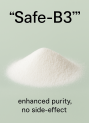
Safe-B3™ (Vitamin B3, Niacinamide)

Natural Bisabolol (Brazil Chamomile)
GlucoBright™ (Acetyl Glucosamine)
Light Cream Maker™
Fractionated Coconut Oil
Double Hyaluron Liquid
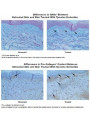
Wrinkle-Fill™ (Acetyl-Tyrosine)
DMAE (SkinTight MD™) Liquid
Vitamin B6 (Pyridoxine Hydrochloride)
Mild Preserved Eco™ (Preservative-Free)

Tomato Extract (Lycopene)

