Review of DIY Serum and Cream Formulations
Question
I have purchased ingredients for a DIY facial serum and cream based on specific formulas (listing ingredients and percentages). Can these formulations be used as is? Do I need to adjust any ingredient percentages, and can I use DI Water for mixing?
Answer
Cosmetic Formulation Review: Serum and Cream
Thank you for sharing your serum and cream formulations! It's great that you are exploring creating your own skincare products with these beneficial ingredients. The ingredients you have selected are commonly used in skincare for various purposes like brightening, anti-aging, moisturizing, and soothing.
However, creating a stable, effective, and safe cosmetic product involves more than just combining ingredients. It requires careful consideration of ingredient compatibility, pH levels, viscosity, preservation, and precise mixing procedures. Successful formulations typically undergo rigorous stability testing to ensure they remain consistent and effective over time.
Regarding your specific questions:
Can these formulations be used? While the ingredients themselves are suitable for skincare, whether your specific formulations are usable depends on the outcome of the mixing process and stability over time. DIY mixing without proper equipment and testing can lead to unstable products that may separate, spoil, or cause skin irritation due to incorrect ratios or incompatibility.
Do I need to add or reduce anything? Adjustments to a formula are usually made after evaluating the initial mixture's texture, stability, and performance. Without testing your specific batches, it's not possible to recommend precise adjustments. The percentages you listed for many ingredients, such as Safe-B3™, GlucoBright™, Acetyl Hexapeptide-8, Pep®-Coll, Orange Peel Extract, MildPreserve Eco™, and Allslip-P™, are within or at the higher end of typical recommended usage rates. However, the concentration of Ectoine in your cream formula (4%) is higher than the commonly recommended maximum usage rate (2%). Using a higher concentration might increase efficacy but also potentially increase the risk of irritation or affect formula stability. Phospholipid is typically used as a co-emulsifier and requires both water and oil phases to disperse properly, which is present in your cream formula but less clear in the serum formula as listed.
Can I use DI Water? Yes, Deionized Water (DI Water) is the standard type of purified water used in cosmetic formulations to ensure purity and prevent interference from minerals or impurities found in tap water.
Key Ingredients in Your Formulas:
Your formulas include several well-known active ingredients:
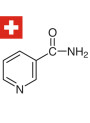
- Safe-B3™ (Niacinamide): Known for reducing wrinkles, hyperpigmentation, controlling oil, and strengthening the skin barrier.
- GlucoBright™ (Acetyl Glucosamine): Works with Niacinamide for skin brightening, reducing dark spots, and boosting hydration.
- Calcium Pantothenate (Vitamin B5): Provides moisture and helps reduce redness and irritation.
- Phospholipid: Can help improve skin penetration of actives, moisturize, and act as a co-emulsifier.
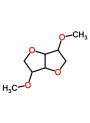
- Dimethyl Isosorbide (DMI): A penetration enhancer that helps carry active ingredients into the skin.
- Aloe Vera Gel (Lite): A soothing and moisturizing base ingredient.
- Tranexamic Acid: Used for skin brightening and reducing the appearance of blemishes.
- Apple Stem Cell Extract: Aims to help skin cells live longer, potentially slowing aging.
- Acetyl Hexapeptide-8 (Argireline): A peptide known for its effect on expression wrinkles.
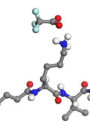
- Pep®-Coll (Palmitoyl tripeptide-5): A peptide that helps stimulate collagen production.
- Ectoine: Provides cell protection, hydration, and anti-aging benefits.
- Orange Peel Extract: Can help stimulate circulation and has anti-glycation properties.
- MildPreserve Eco™: A preservative-free option to help protect the formula from microbial growth.
- Allslip-P™: A powder ingredient used to improve skin feel, providing a soft and smooth texture.
- Laurocapram: A penetration enhancer.
Important Considerations for DIY Formulation:
- Mixing Procedure: Many active ingredients, especially peptides and extracts, need to be added at specific temperatures (usually below 40°C) during the final phase of mixing to maintain their efficacy. Ingredients like Phospholipid and Laurocapram also have specific mixing requirements.
- Emulsification: For the cream, achieving a stable emulsion (where oil and water phases are evenly mixed) is critical. This relies on effective emulsifiers (likely in your cream base powder) and the correct mixing technique.
- Preservation: While MildPreserve Eco™ is included, the effectiveness of any preservative system in a specific formula must be confirmed with a challenge test to ensure the product remains safe for use throughout its shelf life.
- pH Adjustment: The pH of the final product is important for ingredient stability, efficacy, and skin compatibility. It may need to be adjusted to the optimal range for the ingredients used (e.g., pH 3.5-6.5 for peptides, 3-7 for GlucoBright, 3-8 for Safe-B3 and Tranexamic Acid, 3.5-7 for Orange Peel Extract, 4-9 for MildPreserve Eco).
In summary, while you have gathered good ingredients, successfully combining them into stable and effective products requires careful formulation practice and testing. Proceed with caution and be mindful of the mixing instructions and potential stability or irritation issues, especially with higher concentrations of actives like Ectoine.
Related Products Mentioned
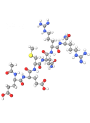
Acetyl Hexapeptide-8 (eq Argireline)
Pep®-Coll (Palmitoyl tripeptide-5)
Safe-B3™ (Vitamin B3, Niacinamide)
GlucoBright™ (Acetyl Glucosamine)
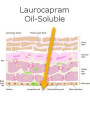
Laurocapram (Oil Soluble)
Aloe Vera Gel (Lite)
Mild Preserved Eco™ (Preservative-Free)
Tranexamic Acid (Trans-White™)
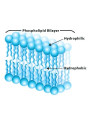
Phospholipid
Ectoine (Ectoin, from Bio-fermentation)
Calcium Pantothenate
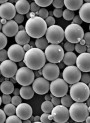
AllSlip-P™ (Slip Powder)