Review of Face Cream Formulation: Compatibility, Missing Components, and Mixing
Question
I want to make a face cream with the following ingredients and percentages: Safe-B3™ 4%, GlucoBright™ 4%, Allantoin 0.5%, Natural Moisturizing Amino Acids 5%, Sodium Lactate Plus 2%, Calendula Extract 4%, Ethoxydiglycol 1%, VersaMoist™ 1%, Light Cream Maker 1%, Purified Water 77.5%. Are these ingredients compatible? Is anything missing or excessive? Can you recommend a mixing procedure (which ingredients to mix first/last)? Thank you.
Answer
Skincare Formulation Review
This formulation includes several beneficial ingredients for skin brightening, hydration, and soothing. Let's review the compatibility and suggest improvements.
Compatibility
Overall, the ingredients you've chosen are generally compatible.
- Safe-B3™ (Niacinamide) and GlucoBright™ (Acetyl Glucosamine) are known to work synergistically for whitening and improving skin tone, and your chosen percentages (4% each) are within recommended ranges for this combination.
- Allantoin, Natural Moisturizing Amino Acids, Sodium Lactate Plus, Calendula Extract, Ethoxydiglycol, and VersaMoist™ are all water-soluble or dispersible and commonly used in water-based or emulsion systems. Their listed percentages are within typical usage rates.
Missing Components and Potential Issues
Based on the ingredients and the goal of creating a face cream, there are a couple of key considerations:
- Missing Oil Phase: A cream formulation typically requires an oil phase (such as cosmetic oils, butters, or esters) to create the cream texture using an emulsifier like Light Cream Maker. Your current list does not include any oil-phase ingredients. Without an oil phase, the Light Cream Maker will primarily function as a thickener, resulting in a gel-like or serum-like texture rather than a cream.
- Preservative System: While Natural Moisturizing Amino Acids contains a small amount of preservative (Phenoxyethanol), it is unlikely to be sufficient to preserve the entire formulation at its low concentration in the final product. A water-based product requires a broad-spectrum preservative system to prevent microbial growth.
- Electrolyte Impact on Viscosity: Your formula contains ingredients that are electrolytes (Natural Moisturizing Amino Acids and Sodium Lactate Plus). Light Cream Maker can be affected by electrolytes, potentially reducing the viscosity. At 1% Light Cream Maker with a combined 7% electrolytes, the resulting texture might be thinner than a typical cream.
Recommendations for Improvement
To create a stable and effective face cream, consider the following modifications:
- Add an Oil Phase: Incorporate cosmetic oils, butters, or esters (e.g., Caprylic/Capric Triglyceride, Shea Butter, Sweet Almond Oil) into your formulation. A starting point could be 10-20% of the total formula, adjusted based on your desired richness.
- Adjust Light Cream Maker Percentage: Increase the percentage of Light Cream Maker to adequately emulsify the added oil phase and account for the electrolytes. You might need 1.5-2.5% or more, depending on the oil percentage and desired viscosity.
- Add a Preservative System: Include a complete broad-spectrum preservative system at the manufacturer's recommended usage rate.
- Check and Adjust pH: After mixing, check the final pH of the cream. Aim for a skin-friendly pH between 4.5 and 5.5. Adjust if necessary using a dilute acid (like Lactic Acid) or base (like Sodium Hydroxide solution).
Suggested Mixing Method
Assuming you add an oil phase and a preservative, here is a general mixing procedure:
- Water Phase: In a beaker, combine Purified Water, Safe-B3™, GlucoBright™, Allantoin, Natural Moisturizing Amino Acids, Sodium Lactate Plus, Calendula Extract, Ethoxydiglycol, and VersaMoist™. Stir until all water-soluble ingredients are fully dissolved. Gentle warming (below 60°C) can help dissolve Allantoin faster, but is not essential.
- Oil Phase: In a separate beaker, combine your chosen oil phase ingredients (e.g., oils, butters, esters) and the Light Cream Maker. If using solid ingredients, gently heat to melt and stir to disperse the Light Cream Maker.
- Combine Phases: Slowly add the oil phase to the water phase while stirring continuously. Use a homogenizer or high-shear mixer for a smoother cream, if available. Continue mixing until a uniform cream is formed. Avoid high-speed mixing (>2500 rpm) with Light Cream Maker.
- Add Preservative: Once the emulsion has formed and cooled slightly (if heated), add your chosen preservative system and stir to incorporate.
- Check and Adjust pH: Measure the pH of the final cream. If needed, adjust the pH to the desired range (4.5-5.5) using a dilute acid or base solution.
- Final Stirring: Stir gently until the pH is stable.
By adding an oil phase and a proper preservative, you can create a stable and effective face cream with the beneficial ingredients you've selected.
Related Products Mentioned
Safe-B3™ (Vitamin B3, Niacinamide)

Allantoin
GlucoBright™ (Acetyl Glucosamine)

Calendula Extract (Water Soluble)
Ethoxydiglycol (e.q. Transcutol)
Light Cream Maker™
Purified Water, TDS Limit 1PPM)
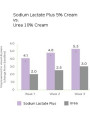
Sodium Lactate Plus