Review of Gel Formula for Oily, Acne-Prone Skin
Question
I would like to request a review of my gel formula for oily, acne-prone skin. My goal is to create a moisturizing, non-sticky, fast-absorbing gel that addresses acne, oiliness, pore appearance, acne marks, skin brightening, and strengthens the skin barrier.
Here are the ingredients I am using:
- Hyaluronic Acid Nano Molecule
- Hyaluronic Acid Standard Molecule
- Propolymer
- Centella Asiatica Extract
- White Cumin Extract
- Licorice Extract
- CM Glucan
- NAT-RIBOSE
- Safe-B3 (Niacinamide)
- GlucoBright
- Phenoxyethanol
- Distilled Water
My current mixing steps involve adding Propolymer before fully dissolving the Hyaluronic Acids. I am also concerned about potential stickiness in the final product and would like to know if adding LipidSoft Lite is a suitable solution.
Please review the suitability of the ingredients for my target skin type and concerns, advise on the correct mixing procedure, and provide suggestions regarding the stickiness issue.
Answer
Subject: Review of Gel Formula for Oily, Acne-Prone Skin
Hello! Thank you for sharing your gel formula for oily, acne-prone skin. Let's review the ingredients, their suitability for your goals, and the mixing steps.
Formula Review:
Your formula includes several excellent ingredients that align well with your goals for a moisturizing, non-sticky, fast-absorbing gel that targets acne, oiliness, pore appearance, acne marks, brightening, and skin barrier strength.
- Hydration & Texture: Hyaluronic Acid (Nano and Standard) provides hydration. Propolymer is the gelling agent. The combination aims for a moisturizing yet non-greasy feel.
- Acne, Oiliness, Pores, Acne Marks: Niacinamide (Safe-B3) is a star ingredient here, helping to reduce oil, minimize pores, calm inflammation, and improve acne marks. Licorice Extract also helps with oil control and soothing.
- Soothing & Skin Barrier: Centella Asiatica, CM Glucan, and Niacinamide are fantastic for reducing irritation, strengthening the skin barrier, and promoting healing (beneficial for acne-prone skin).
- Brightening & Acne Marks: White Cumin Extract, Licorice Extract, Niacinamide, and GlucoBright work together to fade acne marks and improve overall skin radiance.
- Nourishment & Regeneration: NAT-RIBOSE supports skin energy and regeneration.
Overall, the selection of active ingredients is very good and addresses most of your desired properties for oily, acne-prone skin.
Mixing Steps:
You provided your mixing steps, and the staff correctly advised on the crucial first step regarding Hyaluronic Acid. It's essential to fully dissolve the Hyaluronic Acids in the water phase before adding the gelling agent (Propolymer) to ensure proper hydration and a smooth texture.
Here is a suggested corrected mixing procedure based on standard practices and the staff's advice:
- Chill the Distilled Water (12). Add Hyaluronic Acid Nano Molecule (1) and Hyaluronic Acid Standard Molecule (2) to the chilled water. Shake or mix well. Continue chilling and shaking/mixing periodically until the Hyaluronic Acids are completely dissolved and the solution is clear, with no visible particles or gel-like clumps floating. This may take several hours in the refrigerator.
- Once the Hyaluronic Acids are fully dissolved, add ingredients 5 (White Cumin), 6 (Licorice), 7 (CM Glucan), 8 (NAT-RIBOSE), 9 (Safe-B3), and 10 (GlucoBright) to the Hyaluronic Acid/water mixture. Mix until all powders/liquids are fully dissolved and incorporated.
- Slowly add Propolymer (3) to the mixture while stirring continuously. Continue stirring until the gel forms and is uniform and smooth.
- Add Centella Asiatica Extract (4) and mix thoroughly.
- Finally, add Phenoxyethanol (11 - Preservative) and mix well.
Following these steps should help ensure the ingredients are properly incorporated and the gel texture develops correctly.
Regarding Stickiness:
You asked about adding LipidSoft Lite if the gel is sticky. As the staff mentioned, it's best to first identify the source of stickiness. Often, stickiness in a gel comes from the gelling agent itself or high concentrations of humectants/extracts. Adding an oil-based emollient like LipidSoft Lite might reduce the sticky feel but could also make the gel less ideal for oily skin and affect its fast absorption. Try the formula with the corrected mixing steps first. If it's still too sticky, you might need to slightly adjust the Propolymer concentration (decrease it slightly) or consider if any specific extract is contributing significantly to the tackiness.
Conclusion:
Your formula is well-formulated with beneficial ingredients for oily, acne-prone skin. By following the corrected mixing steps, especially for the Hyaluronic Acids, you should achieve a better texture. Test this version first to see if it meets your expectations before considering further modifications.
We hope this review is helpful!
Related Products Mentioned
Safe-B3™ (Vitamin B3, Niacinamide)
GlucoBright™ (Acetyl Glucosamine)
Phenoxyethanol (Extra Pure)
Pro Polymer™ (Gel Maker)


Purified Water, TDS Limit 1PPM)
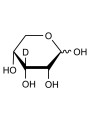
NAT-RIBOSE™
