Review of Gel Formulation for Post-Lip Tattoo Care
Question
Hello, could the admin please check the correctness or feasibility of this formula before I proceed with production? I apologize if there are errors; I'm new but trying to learn. The intended use is a gel applied after lip tattooing (done with small needles, resulting in minor, non-severe wounds, but with swelling and potential for easy infection). I want to produce this gel formula to coat the lips to reduce irritation, reduce swelling, heal tissue to recover quickly, add moisture, stimulate blood circulation, and provide mild initial infection reduction. It also cools down the skin after lip tattooing. The product texture is a clear, viscous Aloe Vera gel that leaves a thin film on the skin. The formula components and percentages are as follows:
| Component | Percentage |
|---|---|
| Purified Water | 90.00% |
| Aloe Vera (Actives Extract 10:1) | 3.00% |
| Vitamin B5 (Panthenol) | 1.00% |
| Cellulose gum | 1.00% |
| Allantoin | 0.40% |
| Phenoxyethanol (Preservative) | 0.40% |
| Glycerin | 1.00% |
| Butylene Glycol | 1.00% |
| Avena sativa (Oat) kernal oil | 0.5% |
| Ginkgo biloba leaf extract | 0.40% |
| Chamomilla Recutita (matricaria) | 0.40% |
| Tocopheryl Acetate | 0.50% |
| beta glucan | 0.40% |
Thank you very much.
Answer
Subject: Review of Aloe Vera Gel Formulation for Post-Lip Tattoo Care
Dear Customer,
Thank you for reaching out and providing your gel formulation for review. It's great that you are studying and developing your own formula!
Based on the ingredients and their intended functions you provided, this formulation appears generally suitable for a post-lip tattoo gel aimed at reducing irritation, swelling, promoting healing, and moisturizing.
Here's a brief review of the ingredients and their roles:
- Purified Water, Glycerin, Butylene Glycol, Aloe Vera, Panthenol, Avena Sativa Oil, Beta Glucan: These ingredients are excellent for providing hydration, soothing the skin, and supporting the natural healing process. Aloe Vera, Panthenol, Allantoin, Chamomile, Beta Glucan, and Oat oil are particularly known for their calming and skin-repairing properties.
- Allantoin, Chamomilla Recutita, Ginkgo Biloba: These extracts and compounds are commonly used for their anti-inflammatory, soothing, and potential circulation-boosting effects (Ginkgo).
- Tocopheryl Acetate (Vitamin E): An antioxidant that can help condition the skin.
- Cellulose gum: This is a standard gelling agent that should help create the desired gel texture.
- Phenoxyethanol: This is an effective preservative at the concentration used, which is crucial for preventing microbial growth in the product.
Feasibility and Considerations:
- Overall Suitability: The combination of soothing, moisturizing, and skin-repairing ingredients aligns well with the goal of post-tattoo care. The percentages seem reasonable for a gel formulation.
- Antiseptic Properties: While Phenoxyethanol preserves the product, it is not a primary antiseptic agent for treating or preventing infection on open or compromised skin. If preventing infection is a major concern, you might need to consider adding a specific, safe-for-lip antiseptic ingredient suitable for this application, or rely on keeping the area clean and letting the skin heal naturally with the support of the soothing ingredients.
- Texture and Stability: The gel texture should be achievable with Cellulose gum, but the exact viscosity and clarity will need testing during formulation development. Stability testing is essential to ensure the product remains safe and effective over its shelf life (color, odor, pH, viscosity, microbial integrity).
- Efficacy Claims: While the ingredients have known benefits, the specific efficacy of this formula for claims like "reducing swelling," "healing quickly," or "stimulating blood circulation" would ideally be supported by testing.
- Manufacturing: Since you plan to order production, working with a reputable manufacturer is key. They can help validate the formula's feasibility, stability, and safety for application on post-tattooed lips, and ensure production follows Good Manufacturing Practices (GMP).
In summary, your formula is a promising starting point with many beneficial ingredients for post-lip tattoo care. We recommend working closely with your manufacturer to finalize the formulation, conduct necessary testing, and ensure the final product meets all safety and quality standards for its intended use.
We hope this review is helpful!
Best regards,
Admin
Related Products Mentioned
Vitamin E (Tocopheryl Acetate)

Allantoin

Glycerin (USP/Food Grade)
Phenoxyethanol (Extra Pure)
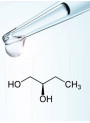
Butylene Glycol

Purified Water, TDS Limit 1PPM)