Review of Skincare Formula for Combination Skin: Texture, Stability, and Preservation
Question
I have formulated a skincare product with the following ingredients and percentages:
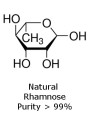
- Rhamnose 5%
- Allantoin 0.5%
- nano silver pure 1%
- Natural moisture Amino acid 5%
- Gluco Bright 4%
- Safe B3 4%
- Rose Hip Oil 10%
- Emu Oil 5%
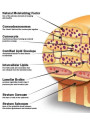
- Satin Cream Maker 1.5%
- DI Water until 100%
I have combination skin and want to know if this formula is suitable. I am concerned about the texture and potential issues. Specifically:
- Is this formula suitable for combination skin, considering the oil content?
- Will Allantoin 0.5% fully dissolve in this formula?
- Will Natural moisture Amino acid affect the stability or texture when using Satin Cream Maker 1.5%?
- Will Rhamnose 5% cause stickiness?
- Do I need to add a preservative to this formula?
Answer
Regarding Your Skincare Formula Questions
Regarding your main question, "Do I need to add a preservative to this formula?", for the first formula you provided, the answer is yes, you need to add a preservative.
Here are the answers to your other questions about the first formula you provided, incorporating feedback from the staff:
- Preservative: As mentioned, any formula containing a water phase (like your formula with DI Water) requires a preservative to prevent microbial contamination and spoilage. You need to add a suitable preservative to your formula. The staff's recommended formula includes Mild Preserved Eco 1% (Product ID 1001), which is an example of a suitable preservative for this type of formulation.
- Cream Texture: Based on the ingredients and percentages in your first formula, particularly the high oil content (Rose Hip Oil 10%, Emu Oil 5%) and Rhamnose 5%, the resulting cream texture might feel heavier or stickier than desired, especially for your oily T-zone area. The staff also noted that for combination skin, focusing on oil-balancing ingredients might be more beneficial than using a high percentage of oils.
- Adding BioSulphur: Yes, you can add BioSulphur (Product ID 1886) to your formula. BioSulphur is known for its properties in helping to control oiliness and tighten pores, which aligns with your skin concerns. The staff's recommended night formula also includes BioSulphur for these benefits. When adding it to your formula, ensure the total percentage of all ingredients remains 100% and consider potential compatibility with other ingredients.
Additional points raised by the staff regarding your first formula include the limited solubility of Allantoin (Product ID 75) in water (it dissolves up to 0.5% in the water phase, so 0.5% in the total formula might not fully dissolve depending on the water percentage) and the potential for Natural Moisturizing Amino Acids (Product ID 214) to act as electrolytes and affect the stability of the cream made with Satin Cream Maker (Product ID 247), potentially requiring a higher percentage of the emulsifier.
The formula recommended by the staff is a well-balanced alternative designed to address your specific skin condition and treatment plan, incorporating ingredients for soothing, oil control, and nourishment, along with a preservative. You may find this formula more suitable for your needs.
Related Products Mentioned
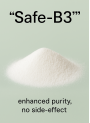
Safe-B3™ (Vitamin B3, Niacinamide)

Allantoin

Rosehip Oil (Extra Virgin Organic)
GlucoBright™ (Acetyl Glucosamine)

Satin Cream Maker™
Rhamnose (rhamnose sugar)

Purified Water, TDS Limit 1PPM)

20nm Silver Pure™
Mild Preserved Eco™ (Preservative-Free)