Review of Updated Cosmetic Formulas and Formulation Issues
Question
I have updated four cosmetic formulas based on previous feedback and would like to request a review and feedback on the formulations. I also have specific questions regarding the Melasma Cream formulation.
Here are the updated formulas:
Melasma Cream Formulation (Updated)
- Sacha inchi Oil 2%
- Soy Lecithin 5%
- MSH White 2%
- Bisabolol 1%
- Activated Resorcinol 1%
- Tranexamic Acid 3%
- Disodium EDTA 0.2%
- NAG (N-Acetyl Glucosamine) 4%
- Vitamin B3 (Niacinamide) 4%
- Azelaic Acid 10%
- Phenoxyethanol 1%
- Distilled water 66.80%
Anti-Wrinkle Cream (Updated)
- Oil 2% (presumably Sacha inchi Oil)
- Light Cream Maker 1%
- Coenzyme Q10 5%
- Cucumber Extract 3%
- Sea Kelp Extract 6%
- Active Resveratrol 7%
- Soy Extract 7%
- Phenoxyethanol 1%
- Distilled water 71%
Lifting Cream (Updated)
- Oil 5% (presumably Sacha inchi Oil)
- Water-Capsule 1%
- Light Cream Maker 1%
- Rice Vitamin 2%
- Pep®-Coll 3%
- Argireline 5%
- French Pine Bark 5%
- Natto Gum 5%
- Matrixyl 3000 5%
- Phenoxyethanol 1%
- Distilled water 69%
Serum (Updated)
- L-Tyrosine 2%
- Aloe Vera Extract 2%
- Pro Polymer 0.3%
- Hyaluronic Acid (Standard) 0.3%
- Hyaluronic Acid (Nano) 0.3%
- DMAE Liquid 20%
- Panthenol (Vitamin B5) 5%
- WaterLock 1%
- Phenoxyethanol 1%
- Distilled water 68.1%
Regarding the Melasma Cream Formulation, I have two specific questions:
- If the formula doesn't emulsify properly, what is the worst-case scenario?
- If the mixture is too liquid after combining A+B, can Light Cream Maker be added?
Answer
Review of Your Updated Formulas
Thank you for providing your updated formulas and questions. I have reviewed them based on the ingredients and concentrations you provided, along with the previous feedback.
Melasma Cream Formulation (Updated)
Ingredients:
- Sacha inchi Oil 2%
- Soy Lecithin 5%
- MSH White 2%
- Bisabolol 1%
- Activated Resorcinol 1%
- Tranexamic Acid 3%
- Disodium EDTA 0.2%
- NAG (N-Acetyl Glucosamine) 4%
- Vitamin B3 (Niacinamide) 4%
- Azelaic Acid 10%
- Phenoxyethanol 1%
- Distilled water 66.80%
Feedback:
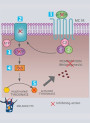
The primary challenge with this formula remains the solubility of MSH White. At 2% concentration, MSH White requires a solvent like oil or Ethoxydiglycol at 5-10 times its concentration to dissolve properly. With only 2% Sacha inchi Oil and no other suitable solvent like Ethoxydiglycol, the MSH White will likely not dissolve completely, as you experienced. This will reduce its effectiveness and can affect the texture.
The use of Soy Lecithin at 5% with 66.8% water might still be challenging for emulsification, as Soy Lecithin can require higher percentages (potentially 7% or more) depending on the specific type and mixing method, especially with a high water phase.
The combination of multiple potent whitening agents is very comprehensive for addressing melasma. However, ensure the pH of the final formula is within the recommended range for each ingredient's stability and efficacy (many whitening agents prefer a slightly acidic to neutral pH). Also, high concentrations of active ingredients can sometimes lead to stickiness, although you mentioned you don't mind heavier textures.
Regarding your specific questions about this formula:
If the formula doesn't emulsify properly, what is the worst-case scenario?
If the oil and water phases do not emulsify and remain separated, the product will not have a stable cream texture. It may appear curdled or layered. While the active ingredients are still present, the lack of proper emulsification can affect their stability and how effectively they penetrate the skin. An unstable emulsion can lead to faster degradation of sensitive ingredients over time, reducing the product's effectiveness and shelf life. In the worst case, if the separation is significant and impacts stability, the product may need to be discarded.If the mixture is too liquid after combining A+B, can Light Cream Maker be added?
Yes, you can try adding Light Cream Maker to help stabilize the emulsion and increase viscosity if it is too liquid or separating. However, it is generally best to ensure your primary emulsifier (Soy Lecithin) is properly incorporated first, potentially using high shear mixing if available. Adding Light Cream Maker afterwards might help improve the texture and stability, but the final result may not be as smooth or homogeneous as if the emulsification was successful from the start with the correct amount of emulsifier.
Anti-Wrinkle Cream (Updated)
Ingredients:
- Oil 2% (presumably Sacha inchi Oil)
- Light Cream Maker 1%
- Coenzyme Q10 5%
- Cucumber Extract 3%
- Sea Kelp Extract 6%
- Active Resveratrol 7%
- Soy Extract 7%
- Phenoxyethanol 1%
- Distilled water 71%
Feedback:
Using Light Cream Maker at 1% with 2% oil and 71% water should be manageable for creating a cream texture. Light Cream Maker is designed for lower oil percentages.
The active ingredients target anti-aging, hydration, and antioxidant benefits. The concentrations seem reasonable. Active Resveratrol at 7% is a high concentration, which can be effective for anti-aging and brightening, but ensure the final product is stored in opaque packaging as Resveratrol is light-sensitive.
The total active ingredient concentration is around 28%, which is high but should result in a nourishing cream texture with 71% water.
Lifting Cream (Updated)
Ingredients:
- Oil 5% (presumably Sacha inchi Oil)
- Water-Capsule 1%
- Light Cream Maker 1%
- Rice Vitamin 2%
- Pep®-Coll 3%
- Argireline 5%
- French Pine Bark 5%
- Natto Gum 5%
- Matrixyl 3000 5%
- Phenoxyethanol 1%
- Distilled water 69%
Feedback:
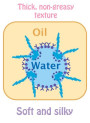
This formula uses both Water-Capsule (W/O emulsifier) and Light Cream Maker (O/W emulsifier) with 5% oil and 69% water. This combination can create a stable emulsion, but it's crucial to follow the specific mixing instructions for Water-Capsule, as noted in the previous reply.
The active ingredients are well-chosen for lifting, firming, and moisturizing. The concentrations are generally within recommended ranges for efficacy.
The total active ingredient concentration is around 25%, which is a good concentration for a lifting cream. The water percentage (69%) should result in a texture that is not overly heavy.
Serum (Updated)
Ingredients:
- L-Tyrosine 2%
- Aloe Vera Extract 2%
- Pro Polymer 0.3%
- Hyaluronic Acid (Standard) 0.3%
- Hyaluronic Acid (Nano) 0.3%
- DMAE Liquid 20%
- Panthenol (Vitamin B5) 5%
- WaterLock 1%
- Phenoxyethanol 1%
- Distilled water 68.1%
Feedback:
This formula is intended as a serum. You've added Pro Polymer at 0.3% and included DMAE Liquid at 20%. As discussed, DMAE at 20% will significantly reduce the viscosity, and 0.3% Pro Polymer might not be enough to create a noticeable gel texture, potentially resulting in a very liquid serum. If you prefer a slightly thicker serum, you might need to increase the Pro Polymer concentration (e.g., to 0.5-0.7%).
The active ingredients provide hydration, lifting, and soothing benefits. The combination of different molecular weights of Hyaluronic Acid is good for multi-level hydration.
The total active ingredient concentration is very high (around 29.9%), which, combined with the high percentage of DMAE, contributes to the liquid nature and potential for a slightly sticky feel, although the high water content helps.
Overall, your updated formulas show good consideration for ingredient functions and concentrations. The main point to address is the solubility of MSH White in the melasma cream and managing the texture in the serum with high DMAE.
Related Products Mentioned
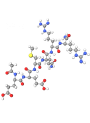
Acetyl Hexapeptide-8 (eq Argireline)
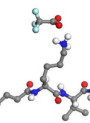
Pep®-Coll (Palmitoyl tripeptide-5)
Pal-GHK, Pal-GQPR (eq Matrixyl 3000)
Active Resveratrol™
Safe-B3™ (Vitamin B3, Niacinamide)
Sea Kelp Extract
Natural Bisabolol (Brazil Chamomile)
GlucoBright™ (Acetyl Glucosamine)
Light Cream Maker™
Phenoxyethanol (Extra Pure)
Disodium EDTA
Cucumber Extract (France)
Pro Polymer™ (Gel Maker)
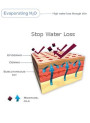
WaterLock™ (Polyquaternium-51)
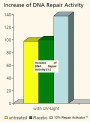

Soy Extract (Isoflavones / Genistein)
Natto Gum Extract
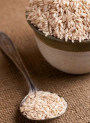
Rice Vitamin (Inositol, Vitamin B8)
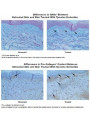
Wrinkle-Fill™ (Acetyl-Tyrosine)
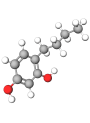
DMAE (SkinTight MD™) Liquid
Water-Capsule™ (Water-in-Oil Cream)
MSH White™ (Undecylenoyl phenylalanine)
Tranexamic Acid (Trans-White™)