Reviewing a Whitening/Brightening Cream Formula: Ingredient Concentrations, Stability, and Texture
Question
I am developing a whitening/brightening cream formulation and would like feedback on the ingredients, concentrations, stability, and recommended mixing method. I am particularly concerned about the texture being too thin when using 1.5% Light Cream Maker™ with Aloe Vera.
Here is my proposed formula:
- Water: 72.3%
- Disodium EDTA: 0.2%
- Light Cream Maker™: 1.5%
- Sweet Almond Oil: 5%
- Alpha Arbutin: 2%
- Lemon Peel Bioferment: 2%
- Vitamin B3 (Niacinamide): 4%
- Aloe Vera Extract: 3%
- Centella Asiatica Extract (Madecassoside): 5%
- Coenzyme Q10: 4%
- Phenoxyethanol: 1%
Answer
Formula Review and Recommendations
Your formula includes several effective ingredients:
- Alpha Arbutin (2%): This is a good concentration for skin brightening and evening out skin tone. It is water-soluble.
- Lemon Peel Bioferment (2%): This ingredient helps inhibit pigmentation and acts as an antioxidant. It is water-soluble and sensitive to heat, so it should be added in the cooling phase.
- Vitamin B3 (Niacinamide) (4%): A versatile ingredient that helps reduce hyperpigmentation, strengthens the skin barrier, and can reduce oiliness. 4% is an effective concentration. It is water-soluble.
- Aloe Vera Extract (3%): Known for its soothing and moisturizing properties. It is water-soluble but contains electrolytes which can affect the viscosity of some cream makers.
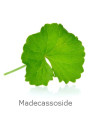
- Centella Asiatica Extract (Madecassoside) (5%): Excellent for soothing, reducing redness, promoting wound healing, and stimulating collagen. However, the recommended usage rate for high-purity Madecassoside is typically 0.1-2%. Using 5% might exceed its solubility limit in water (around 1%) and may not provide additional benefits compared to a lower concentration, while potentially affecting formulation stability or feel. Consider reducing this to 1-2%. It should also be added in the cooling phase and kept within a specific pH range (4-6.5).
- Coenzyme Q10 (4%): This is a potent antioxidant. There are both oil-soluble and water-soluble versions. Given it's in your oil phase, you likely intend to use the oil-soluble powder. The typical usage rate for oil-soluble Coenzyme Q10 powder is 0.01-0.5%. Using 4% is significantly higher than recommended and it's unlikely to fully dissolve in the oil phase at this concentration, which can lead to stability issues and reduced effectiveness. It should also be added in the cooling phase below 60°C after being dissolved in the oil phase. I recommend reducing the concentration to 0.5% or less, or using a water-soluble version if preferred (and adding it to the water phase).
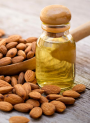
- Sweet Almond Oil (5%): A nice emollient oil for moisturizing the skin. It belongs in the oil phase.
- Light Cream Maker™ (1.5%): This is an effective emulsifier and thickener that works without heat. The recommended usage rate is 0.5-3%, with 1-1.5% being typical. However, as noted by the reply you received and the product information, the presence of electrolytes like Aloe Vera Extract can reduce its thickening power. At 1.5% with 5% oil and 3% Aloe Vera, the resulting cream might indeed be quite thin. You may need to increase the concentration of Light Cream Maker™ to 2-3% to achieve a desired cream consistency.
- Disodium EDTA (0.2%): A chelating agent that helps improve formula stability, especially in the presence of metal ions in water. 0.2% is a standard and effective concentration. It should be added to the water phase first.
- Phenoxyethanol (1%): A common and effective preservative. 1% is within the recommended usage rate. It can be added in the cooling phase.
- Water (72.3%): The base of the formula.
The total percentage is 99.5%, which is acceptable.
Suggested Mixing Method
Your mixing method is a good starting point, but some adjustments are needed to ensure ingredient stability and proper emulsification:
- Water Phase (A): Combine Water and Disodium EDTA. Stir until the EDTA is fully dissolved. You can gently warm this phase if needed, but avoid high heat.
- Oil Phase (B): Combine Sweet Almond Oil and Light Cream Maker™. Stir to disperse the cream maker. If using oil-soluble Coenzyme Q10 (at the recommended lower concentration), dissolve it in this oil phase.
- Emulsification: Slowly add the Oil Phase (B) to the Water Phase (A) while stirring continuously with a homogenizer or high-shear mixer. Continue mixing until a uniform emulsion forms and the mixture cools down.
- Cooling Phase: Once the emulsion has cooled below 40°C (or below 30°C for Alpha Arbutin), add Alpha Arbutin, Vitamin B3, Aloe Vera Extract, Lemon Peel Bioferment, Centella Asiatica Extract (ensure it's fully dispersed or dissolved in a small amount of water first before adding), and Phenoxyethanol. If using water-soluble Coenzyme Q10, add it here. Stir until all ingredients are evenly distributed.
- Adjust pH: Check the pH of the final cream. It should ideally be between 4.0 and 6.5 to ensure the optimal activity and stability of Alpha Arbutin, Lemon Peel Bioferment, Vitamin B3, and Centella Asiatica Extract. Adjust with a suitable acid or base if necessary.
Summary of Recommendations:
- Reduce Centella Asiatica Extract (Madecassoside) concentration to 1-2%.
- Reduce Coenzyme Q10 concentration to 0.5% or less if using the oil-soluble powder, or use a water-soluble version and add it to the water phase/cooling phase.
- Increase Light Cream Maker™ concentration to 2-3% to achieve a thicker cream consistency, as 1.5% may result in a thin product due to the Aloe Vera Extract.
- Adjust the mixing method to add heat-sensitive ingredients (Lemon Peel Bioferment, Centella Asiatica Extract, Coenzyme Q10) and Alpha Arbutin in the cooling phase. Add Disodium EDTA to the water phase first.
- Check and adjust the final pH to be between 4.0 and 6.5.
Overall, the formula has potential, but adjusting the concentrations of Centella Asiatica and Coenzyme Q10, increasing the emulsifier, and refining the mixing method will help ensure better stability, effectiveness, and desired texture.
Related Products Mentioned
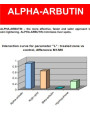
Alpha Arbutin (Switzerland)
Safe-B3™ (Vitamin B3, Niacinamide)
Light Cream Maker™
Phenoxyethanol (Extra Pure)
Disodium EDTA
Lemon Peel Bioferment (Lemon Skin™)