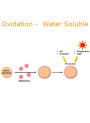
Reviewing and Adjusting Skin Brightening Cream Formulation for Compatibility and Texture
Question
I would like to know about the compatibility of the ingredients in my formulation. Which ingredients need to be reduced or increased? Are they compatible? What other ingredients should be added? Is anything missing? I want a nourishing skin cream that focuses on brightening, absorbs well, and is not sticky, to achieve the best results. Please provide some advice.
My formulation includes:
- Safe-B3™ (Vitamin B3, Niacinamide) 5%
- GlucoBright™ (Acetyl glucosamine) 4%
- Tranexamic Acid 3%
- Satin Cream Maker™ 1%
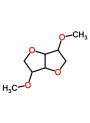
- Dimethyl Isosorbide (DMI) 2%
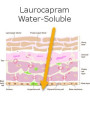
- Laurocapram (Water Soluble) 2%
- Calendula Extract (Water Soluble) 2%
- Distilled Water q.s. to 100%
Answer
Formulation Review and Suggestions
Your formulation includes several excellent active ingredients for skin brightening and improving skin texture.
Ingredients and Compatibility
- Safe-B3™ (Niacinamide) 5%: This is an effective concentration for brightening, reducing redness, improving skin barrier function, and controlling oil. Safe-B3™ is a high-purity grade that minimizes flushing. Your chosen concentration is within the recommended range.
- GlucoBright™ (Acetyl Glucosamine) 4%: This ingredient works synergistically with Niacinamide to target pigmentation and also helps boost skin hydration by stimulating hyaluronic acid production. Your chosen concentration is within the recommended range for use with Niacinamide.
- Tranexamic Acid 3%: This is the maximum allowed concentration for cosmetics and is effective for reducing dark spots and blemishes.
- Satin Cream Maker™ 1%: This emulsifier is suitable for creating a cream texture without heat and is compatible with silicones. 1% should provide a light cream consistency, which aligns with your goal of a non-greasy feel.
- Cyclopentasiloxane 5%: This lightweight silicone provides a smooth, non-greasy feel and helps the cream spread easily and absorb quickly.
- Dimethyl Isosorbide (DMI) 2% and Laurocapram (Water Soluble) 2%: Both are penetration enhancers for water-soluble ingredients. DMI is a versatile enhancer. Laurocapram is also effective but the product description suggests avoiding its use with other carriers except 1,2-Hexanediol, as the combined effect might be reduced. Using both might not provide additional benefit and could potentially affect stability or feel. Consider focusing on DMI as the primary enhancer, perhaps increasing its concentration slightly (e.g., to 3%) for optimal delivery of the water-soluble actives.
- Calendula Extract (Water Soluble) 2%: A good addition for its soothing, anti-inflammatory, and skin-strengthening properties, which can be beneficial when using multiple active ingredients.
- Distilled Water: The base of the formulation.
The combination of Niacinamide, Acetyl Glucosamine, and Tranexamic Acid is a powerful trio for brightening. The emulsifier and silicone should help achieve a light, non-greasy texture.
Missing Components and Recommendations
Your current formulation is missing some essential components for stability and preservation.
- Preservative: A preservative system is crucial to prevent microbial growth and ensure the safety and shelf life of the product, especially since it contains water. You must add a suitable preservative according to the supplier's recommended usage rate. Examples include Mild Preserved Eco™.
- Chelating Agent: Adding a chelating agent like Disodium EDTA can help improve the stability of the formulation by neutralizing metal ions that can cause discoloration or degradation of active ingredients, particularly Tranexamic Acid.
- pH Adjustment: The optimal pH range for the active ingredients (Niacinamide, Acetyl Glucosamine, Tranexamic Acid) is generally between 3 and 8, with a narrower range (4.0-7.0) often preferred for best efficacy and stability. You should check the pH of your final formulation and adjust it if necessary using an acid (like Citric Acid) or a base (like Sodium Hydroxide).
- Antioxidant: The description for Tranexamic Acid suggests adding ActiveProtec™ OX at 0.5% to help prevent its discoloration over time. This is a good practice to maintain the product's appearance and efficacy.
- Humectant: While Acetyl Glucosamine offers some hydration benefits, adding a humectant like Glycerin (3-5%) can further enhance moisture retention and contribute to a pleasant skin feel, balancing the feel of silicones.
Suggested Adjustments
Based on the review, here is a suggested revised formulation for consideration. This includes the essential missing components and slight adjustments to the penetration enhancer and emulsifier for potentially better performance and stability.
- Safe-B3™ (Vitamin B3, Niacinamide): 5%
- GlucoBright™ (Acetyl Glucosamine): 4%
- Tranexamic Acid: 3%
- Satin Cream Maker™: 1.5% (Slight increase for potentially better stability/viscosity)
- Dimethyl Isosorbide (DMI): 3% (Focusing on one primary enhancer)
- Cyclopentasiloxane: 5%
- Calendula Extract (Water Soluble): 2%
- Disodium EDTA: 0.1-0.2%
- ActiveProtec™ OX: 0.5%
- Glycerin: 3-5%
- Preservative: Follow supplier's recommended usage rate (e.g., Mild Preserved Eco™)
- Distilled Water: q.s. to 100%
- pH Adjuster: As needed to reach pH 4.0-7.0
Remember to perform stability testing on your final formulation to ensure compatibility and shelf life.
Related Products Mentioned
Safe-B3™ (Vitamin B3, Niacinamide)
GlucoBright™ (Acetyl Glucosamine)

Calendula Extract (Water Soluble)
Glycerin (USP/Food Grade)
Disodium EDTA

Satin Cream Maker™
Mild Preserved Eco™ (Preservative-Free)
Tranexamic Acid (Trans-White™)
Laurocapram (Water Soluble)
Dimethyl Isosorbide (DMI)