Reviewing Ingredient Functions in Cleansing Water Formulation
Asked by: supatsala8316
On: September 05, 2021
Product Type:
Cosmetics
Answered
Question
Regarding a Cleansing Water formulation, I would like to know if my understanding of the functions of the ingredients in the formula is correct:
- Water Solvent
- PEG-6 Caprylic/Capric Glycerides Cleansing, Superfatting agent
- Polysorbate 20 surfactant
- Butylene Glycol Humectant
- PEG-8 surfactant, emollient
- Poloxamer 407 surfactant-Cleansing
- Citric Acid Buffering agent
- sodium benzoate Preservative
- Disodium EDTA Chelating agent
- Fragrance Flavoring agent
- Glycerin Humectant
- Aloe Barbadensis Leaf Extract emollient
Answer
Review of Cleansing Water Ingredients
Here is a review of the functions of the ingredients in your Cleansing Water formulation:
- Water: Correct. Water acts as the solvent, dissolving other ingredients in the formula.
- PEG-6 Caprylic/Capric Glycerides: Correct. This ingredient functions as a cleansing agent (surfactant/solubilizer) in micellar water formulations, helping to remove makeup and impurities. While it can have some emollient properties, "superfatting agent" is not its primary or typical role in this context.
- Polysorbate 20: Correct. This is a surfactant and solubilizer, helping to emulsify oils and water-insoluble ingredients and aiding in cleansing.
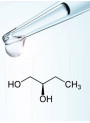
- Butylene Glycol: Correct. It functions as a humectant (attracts and retains moisture) and also serves as a solvent to help dissolve other ingredients.
- PEG-8: Incorrect. PEG-8 (Polyethylene Glycol 400) primarily functions as a solvent and carrier for other ingredients. It is not typically classified as a surfactant or emollient in this context.
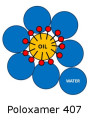
- Poloxamer 407: Correct. This is a surfactant commonly used in cleansing products, contributing to the cleansing action and solubilization.
- Citric Acid: Correct. It acts as a buffering agent (pH adjuster) to maintain the desired pH level of the product.
- Sodium Benzoate: Correct. This is a common preservative used to prevent microbial growth in the product.
- Disodium EDTA: Correct. It is a chelating agent, binding to metal ions in water to prevent them from affecting the stability and performance of the formula.
- Fragrance: Incorrect. Fragrance is used to provide scent to the product, not flavor. Flavoring agents are used in food or oral care products.
- Glycerin: Correct. Glycerin is a well-known humectant that helps to moisturize the skin by drawing water to it. It also has solvent and emollient properties.
- Aloe Barbadensis Leaf Extract: Correct. This extract is known for its moisturizing, conditioning, and soothing properties, which contribute to skin hydration and comfort. While not strictly an emollient in all its actions, it provides similar skin feel benefits.
Overall, most of your proposed functions are correct, with minor clarifications needed for PEG-6 Caprylic/Capric Glycerides, Butylene Glycol, PEG-8, Fragrance, and Aloe Barbadensis Leaf Extract based on typical cosmetic formulation roles and the provided descriptions.
Related Products Mentioned
Glycerin (USP/Food Grade)
Cosmetics
Polysorbate 20 (Tween 20)
Cosmetics
Disodium EDTA
Cosmetics
Butylene Glycol
Cosmetics

Polyglyceryl-6 Caprylate
Cosmetics
Polyethylene Glycol 400 (PEG-8)
Cosmetics
Citric Acid (Anhydrous, Natural)
Cosmetics