Reviewing Revised Face Gel and Face Wash Formulas
Question
I would like to get feedback on my two revised formulations, a face gel and a face wash. I also have some questions about ingredient availability, adding ingredients, mixing methods, and storage.
Face Gel Formula:
- Vitamin B3 (Niacinamide) Ultra-Low Niacin: 4%
- Glucosamine (N-acetyl-D): 4%
- Alpha Arbutin: 2%
- Nanowhite: 5%
- Azelaic Acid (Potassium Azeloyl Diglycinate): 10%
- Pro Polymer™ (Gel Maker): 2%
- Phenoxyethanol: 1%
- Water: 72%
Mixing Method: Mix Pro Polymer with water first to form a gel, then add all other ingredients.
Questions about Face Gel:
- Is this revised formula okay?
- When will Flora Solve Clear be back in stock? I want to order it along with other supplies.
- Can I add Lavender Oil to this formula? If so, how?
- Can I add Propylene Glycol? If so, how much and at what step?
- How should the finished gel be stored? What about the raw materials?
Face Wash Formula:
- Lauryl Glucoside: 5%
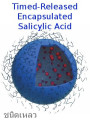
- Encapsulated Salicylic Acid: 5%
- Propylene Glycol: 30%
- Glycerin (Vegetable): 30%
- Phenoxyethanol: 1%
- Water: 29%
Mixing Method: Removed Lactic Acid and added Phenoxyethanol for preservation.
Questions about Face Wash:
- Is this revised formula okay?
- Can this formula be made without heating?
- How should the finished face wash be stored?
Thank you for your feedback.
Answer
Feedback on Your Revised Formulas
Hello!
It's great that you're trying to create your own formulas. Let's review your revised formulas and questions.
Face Gel Formula
Your revised face gel formula looks good overall, incorporating several effective ingredients for brightening, reducing dark spots, and controlling oil.
- Ingredients and Percentages: The active ingredients like Vitamin B3, Glucosamine, Alpha Arbutin, and Azelaic Acid (Potassium Azeloyl Diglycinate) are suitable for your goals. The concentration of Azelaic Acid (Potassium Azeloyl Diglycinate) at 10% is at the maximum recommended usage rate. As the staff mentioned, while possible, it might cause irritation depending on your skin's sensitivity. Since you have relatively resilient skin, it might be acceptable, but start with a lower concentration if you are concerned about irritation.
- Mixing Method: The staff's advice to mix the gel maker (Pro Polymer) with water first until a complete gel is formed before adding other ingredients is correct. This helps ensure the gel structure is properly formed, especially with ingredients like Azelaic Acid that can affect viscosity.
- Adding Lavender Oil: You can add Lavender Oil to the formula, but since it's oil-based and your gel is water-based, you need a solubilizer. As the staff suggested, you can use a product like Flora Solve Clear. Mix the Lavender Oil with Flora Solve Clear first (typically 2-5 parts Flora Solve Clear to 1 part oil) until clear, then add this mixture to your gel base and stir well. Regarding stock, availability can change, so please check the website for the current status of Flora Solve Clear.
- Adding Propylene Glycol: Yes, you can add Propylene Glycol. It acts as a humectant (helps retain moisture) and can also improve the texture, making the gel feel smoother or less sticky, as you noted. A typical usage rate is 1-20%, but you can use up to 50%. Add it to the water phase before adding the gel maker.
- Storage: For the finished gel, if you have included a preservative like Phenoxyethanol at the recommended rate (0.5-1.0%), it should be stable at room temperature for the intended usage period (1-2 months). However, storing it in the refrigerator can help extend its shelf life and maintain ingredient stability, especially for active ingredients. For raw materials, always follow the storage instructions provided on the product label or website for each specific ingredient. Some ingredients, like Alpha Arbutin and Azelaic Acid (Potassium Azeloyl Diglycinate), benefit from refrigeration for long-term storage.
Face Wash Formula
Your revised face wash formula is also looking good, incorporating the staff's feedback.
- Ingredients and Percentages: Removing Lactic Acid was a good step, as Encapsulated Salicylic Acid already provides exfoliation. Adding Phenoxyethanol at 1% is appropriate for preservation in a wash-off product. The percentages of Lauryl Glucoside, Propylene Glycol, and Glycerin are within typical ranges for a cleanser, providing cleansing, moisture, and texture.
- Mixing Method: You can make this formula without heating. Just ensure thorough mixing until all ingredients are fully dissolved and combined. Heating can sometimes help ingredients dissolve faster, but it's not strictly necessary if you can mix well at room temperature.
- Storage: With Phenoxyethanol included as a preservative, the finished face wash should be stable at room temperature and does not require refrigeration for the intended usage period.
Overall, both revised formulas seem well-considered based on your skin type and goals. Remember to always perform a small patch test before applying the finished products to your entire face, especially with active ingredients like Azelaic Acid.
Good luck with your formulations!
Related Products Mentioned
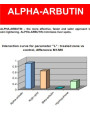
Alpha Arbutin (Switzerland)

Safe-B3™ (Vitamin B3, Niacinamide)
GlucoBright™ (Acetyl Glucosamine)
Propylene Glycol (USP)
Glycerin (USP/Food Grade)
Phenoxyethanol (Extra Pure)
Lauryl Glucoside
Pro Polymer™ (Gel Maker)