Revised Gel Formula for Hydration, Anti-aging, and Scar Treatment
Question
Based on my initial formula and skin concerns (hydration, anti-aging, scars, brightening), could you provide a revised gel formula suitable for a beginner, including a detailed mixing procedure, considering the use of Hyaluronic Acid Standard, Hyaluronic Acid Nano, Glucosamine NAG (GlucoBright™), Vitamin B3 (Safe-B3™ / Extreme-B3™), Vitamin B5 (Panthenol), Allantoin, Urea, Sodium Lactate, Matrixyl™ 3000, Centella Asiatica Extract (CICA), and Phenoxyethanol, while omitting Vitamin C MAP and Acetyl L Carnitine?
Answer
Based on your discussion with the staff, the refined formula you proposed is a good starting point, incorporating ingredients for hydration, skin strengthening, scar reduction, brightening, and anti-aging. The staff also recommended adding Natural Moisturizing Factors (NMFs) for better hydration and suggested removing ingredients that might complicate the pH adjustment for a beginner. They also provided a more suitable mixing method for hyaluronic acid. Here is a summary of the recommended approach:
Recommended Formula (Example)
Based on the conversation, a potential formula could look like this (adjust water slightly to reach 100g total):
- Water: ~62.65 g
- Hyaluronic Acid Standard: 0.5 g
- Hyaluronic Acid Nano: 0.5 g
- Glucosamine NAG (GlucoBright™): 5 g
- Vitamin B3 (Safe-B3™ / Extreme-B3™): 5 g
- Vitamin B5 (Panthenol): 5 g
- Allantoin: 0.35 g
- Urea: 5 g
- Sodium Lactate: 5 g
- Matrixyl™ 3000: 5 g
- Centella Asiatica Extract (CICA): 5 g
- Phenoxyethanol: 1.0 g
Total: 100 g
This formula includes the recommended NMFs (Urea, Sodium Lactate) and anti-aging ingredients (Matrixyl 3000, Centella Asiatica Extract) while omitting Vitamin C MAP and Acetyl L Carnitine as discussed.
Mixing Procedure
The mixing order is important, especially for hyaluronic acid. Follow these steps:
- Weigh the Water into a clean container.
- Carefully sprinkle the Hyaluronic Acid Standard and Hyaluronic Acid Nano powders onto the surface of the water. Do not stir vigorously. Let it sit for several hours (or overnight) to allow the hyaluronic acid to fully hydrate and form a gel. You can stir gently occasionally.
- In a separate container, dissolve the other powder ingredients: Glucosamine NAG, Vitamin B3, Vitamin B5, Allantoin, Urea, Sodium Lactate, Matrixyl™ 3000, and Centella Asiatica Extract in a small amount of water from your total water weight.
- Once the hyaluronic acid gel is smooth and fully hydrated, add the dissolved mixture from step 3 to the gel base. Mix thoroughly until uniform.
- Add the Phenoxyethanol (preservative) and mix again.
- (Optional) Measure the pH. The staff mentioned a pH of 6.5-7.5 is acceptable for this formula, but 5.5-6.0 is ideal. If you have a pH meter and want to adjust, add Lactic Acid drop by drop, mixing and checking pH until desired range is reached.
- Transfer to a clean container.
Additional Recommendations from Staff
Remember the other important points from the discussion:
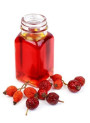
- Consider using Rose Hip Oil (Virgin or Extra Virgin) applied separately to help with acne scars once acne has healed.
- Continue using Retin A as advised by the staff to control clogged pores.
- Use a spot treatment like Clindamycin gel for inflammatory acne breakouts.
- Be mindful of your cleansing routine; avoid over-washing and rinse off cleansing products thoroughly.
Following this formula and procedure should help you create a gel tailored to your skin concerns.
Related Products Mentioned
Pal-GHK, Pal-GQPR (eq Matrixyl 3000)
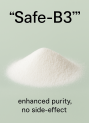
Safe-B3™ (Vitamin B3, Niacinamide)
Allantoin
GlucoBright™ (Acetyl Glucosamine)
Sodium Lactate (60% Liquid, Natural)
Urea (High Purity, Cosmetics, Powder)
Phenoxyethanol (Extra Pure)

Rosehip Oil (Virgin, Fresh)