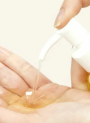
Rinseable Cleansing Oil Formulation: Emulsification and Dryness Issues
Question
I am formulating a rinseable cleansing oil. Previously, I used Polysorbate 80 (Tween 80) at 15% with 85% oil, but it didn't emulsify well with water. I am now trying a formula using MIPA Laureth Sulfate (Oil Soap) and oil.
1. I adjusted the pH of the MIPA Laureth Sulfate formula from 6 to 5. Is this pH level appropriate, and will it help with skin dryness?
2. I am experiencing skin dryness or tightness after using the MIPA Laureth Sulfate formula. How can I address this?
3. What are suitable alternative emulsifiers for a rinseable cleansing oil formulation that can effectively emulsify a high percentage of oil (like 85%) and rinse off cleanly with water?
Answer
Alternative Emulsifiers for Rinseable Cleansing Oil
It sounds like you're experiencing separation in your cleansing oil because Polysorbate 80 (Tween 80) is more water-soluble and doesn't fully integrate into a high-oil formula like yours (85% oil, 15% Polysorbate 80). For a cleansing oil that effectively emulsifies with water and rinses clean without needing a cotton pad, you need an emulsifier that is more compatible with oil.
Here are some alternative emulsifiers designed for rinseable cleansing oil formulations:
- Oilsify 15 (POE(20) Glyceryl Triisostearate): This is an oil-emulsifier specifically designed for cleansing oils. It's highly effective at emulsifying oil and makeup so they can be rinsed away with water. Typical usage is 5-20%, with 10-15% recommended.
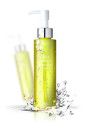
- Oilsify 30 (Sorbeth-30 Tetraoleate): Similar to Oilsify 15, this is another oil-emulsifier for cleansing oils, known for its effectiveness and mildness. Recommended usage is 8-15%, with a range of 5-30%.
- Oilsify Eco (Polysorbate 85, Sorbitan Sesquioleate, Sorbitan Trioleate): This is a base specifically for making cleansing oil, designed to be easy to use. The recommended usage rate is typically 10% combined with your chosen oils.
- MIPA Laureth Sulfate (Oil Soap): As discussed in the previous conversation, this ingredient is also suitable for creating rinseable oil cleansers. The recommended usage range is typically 10-30% with 70-90% oil, although some formulations might require up to 40-50% for better stability and emulsification, depending on the specific oil blend used. You would simply mix this into your oil phase until clear.
These emulsifiers are designed to be mixed directly into the oil phase, creating a stable blend that will turn milky and rinse off cleanly when water is added.
Regarding your previous question about adjusting the pH of the MIPA Laureth Sulfate formula and experiencing dryness:
- A pH level between 5-6 is generally considered appropriate and skin-friendly for this type of product. Adjusting the pH from 6 to 5 is unlikely to significantly impact skin dryness.
- Skin dryness is more likely related to the concentration of the surfactant (MIPA Laureth Sulfate) relative to the oil. To reduce the feeling of dryness or tightness, it is recommended to decrease the percentage of MIPA Laureth Sulfate and increase the percentage of oil in your formulation. For example, try a ratio of 60% MIPA Laureth Sulfate to 40% oil, or adjust further as needed, while ensuring the mixture still emulsifies and rinses well without separation.
- Adding Glycolic Acid (AHA) is not suitable for adjusting the pH of this type of oil-based cleansing formula and would not address the dryness issue caused by the surfactant concentration.
When switching emulsifiers, start with the recommended usage rates and test the stability and performance with your specific oil blend. You may need to adjust the percentage slightly to achieve a stable, effective, and comfortable cleansing oil.
Related Products Mentioned
Polysorbate 80 (Tween 80)
Glycopure™ (Glycolic Acid (AHA) Powder)
Oilsify 30 (Sorbeth-30 Tetraoleate)