Roll-on Antiperspirant/Deodorant Formulation Guidance (Ingredients, Percentages, and Method)
Question
I need guidance on formulating a roll-on antiperspirant/deodorant for underarms. Please provide advice on the following aspects:
- Ethyl Alcohol Content: Should the formulation include or exclude Ethyl alcohol?
- Mixing Method/Steps: What are the detailed steps and procedures for mixing the ingredients?
- Ingredient Review: Please evaluate the provided list of ingredients and advise which ones should be removed, adjusted, or if any other ingredients should be added.
- Ingredient Percentages: What percentage should each substance be used at?
The list of ingredients I plan to use is as follows:
- Water (น้ำดื่ม)
- Ethyl alcohol 95
- Aluminium Chlorohydrate
- Glycerin
- Xanthan gum
- EDTA 2Na
- Propylene Glycol
- Triethanolamine (TEA)
- Simugel INS100
- Emulium Delta
- KF 995
- Lauric Acid
- Triethyl Citrate
- LaidSoft Dry (Dicaprylyl Carbonate)
- Deo Max Liquid (Peesimmon Fruit juice extract)
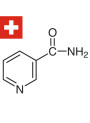
- Safe B3 (Vitamine B3 Switzerland)
- B3 - Booster (Picolinamide)
- Microcare PHC (Chlorphenesin/Phenoxyethanol)
Thank you.
Answer
Creating a roll-on antiperspirant/deodorant involves balancing various ingredients to achieve efficacy, stability, and a pleasant user experience. Here's a general guide based on your provided ingredient list:
1. With/Without Ethyl Alcohol
- With Ethyl Alcohol (e.g., Ethyl alcohol 95):
- Pros: Provides a quick-drying sensation, acts as a solvent for some ingredients, and has antimicrobial properties, which can help with odor control.
- Cons: Can be drying or irritating for sensitive skin, and may cause stinging, especially after shaving.
- Without Ethyl Alcohol:
- Pros: Generally gentler on the skin, less irritating, and more moisturizing.
- Cons: May take longer to dry, and some ingredients might require different solvents or emulsification systems.
Your list includes Ethyl alcohol 95. If you choose to exclude it, you might need to adjust your solvent system and consider alternative quick-drying emollients or film formers.
2. Method/Steps of Mixing
A typical roll-on formulation often involves creating an emulsion or a suspension. Here's a general outline:
- Water Phase Preparation:
- Heat Water (น้ำดื่ม) to a specific temperature (e.g., 70-80°C).
- Add water-soluble ingredients like EDTA 2Na, Glycerin, Propylene Glycol, and potentially some of your B3 ingredients (Safe B3, B3 - Booster) if they are water-soluble. Mix until dissolved.
- Oil/Active Phase Preparation (if applicable):
- In a separate container, combine oil-soluble ingredients and actives. If using Aluminium Chlorohydrate, it's often dispersed in water or a specific carrier.
- Ingredients like KF 995 (silicone), LaidSoft Dry (Dicaprylyl Carbonate), Lauric Acid, and Emulium Delta (emulsifier) would typically go here.
- If using Ethyl alcohol, it might be added to this phase or later.
- Emulsification/Gelling:
- Slowly add the oil phase to the water phase (or vice versa, depending on the emulsifier system) while continuously stirring with a high-shear mixer to form an emulsion.
- Add gelling agents like Xanthan gum or Simugel INS100. These might be pre-dispersed in glycerin or another solvent to prevent clumping, then added to the main mixture.
- Continue mixing until uniform and the desired viscosity is achieved.
- Cool Down & Final Additions:
- Allow the mixture to cool down gradually while continuing to stir.
- Once cooled (e.g., below 40°C), add heat-sensitive ingredients such as Triethyl Citrate, Deo Max Liquid, and the preservative blend (Microcare PHC).
- Adjust pH if necessary using Triethanolamine (TEA) to the desired range (e.g., 4.0-5.5 for antiperspirants, depending on the active).
- Quality Control:
- Check pH, viscosity, and appearance.
- Fill into roll-on containers.
3. Consideration/Adjustment of Ingredients
Your list is comprehensive and includes many common ingredients for roll-on formulations. Here are some considerations:
- Antiperspirant Active: Aluminium Chlorohydrate is a standard and effective antiperspirant.
- Deodorant Actives: Triethyl Citrate and Deo Max Liquid (Peesimmon Fruit juice extract) are good choices for odor control.
- Thickeners/Gelling Agents: Xanthan gum and Simugel INS100 are both gelling agents. You might use one or both, depending on the desired texture and stability. Simugel INS100 is often a pre-neutralized polymer that can simplify formulation.
- Emollients/Feel Modifiers: KF 995 (silicone) and LaidSoft Dry (Dicaprylyl Carbonate) will contribute to a smooth, non-tacky feel.
- Humectants: Glycerin and Propylene Glycol help with skin hydration and product feel.
- Emulsifiers: Emulium Delta and potentially Lauric Acid (as a co-emulsifier) will be crucial if you are creating an emulsion. Triethanolamine (TEA) can also act as an emulsifier or pH adjuster.
- Skin Conditioners: Safe B3 (Vitamine B3) and B3 - Booster (Picolinamide) are excellent for skin benefits, potentially reducing irritation or improving skin barrier function.
- Preservative: Microcare PHC (Chlorphenesin/Phenoxyethanol) is essential for product safety and shelf life.
- Chelating Agent: EDTA 2Na helps improve preservative efficacy and product stability by binding metal ions.
Potential Adjustments:
- Simplify: If you are new to formulation, you might start with fewer ingredients, especially gelling agents or emollients, to understand their individual impact.
- Compatibility: Ensure all ingredients are compatible with each other and the chosen pH range.
- Sensory: Adjust emollients and thickeners to achieve the desired spreadability, dry-down, and skin feel.
4. Percentage of Each Substance
Providing exact percentages without knowing your specific goals (e.g., desired viscosity, skin feel, target efficacy, cost constraints, regulatory limits) is not feasible. Formulation is an iterative process requiring experimentation and stability testing.
However, here are typical ranges for common ingredient types in roll-on formulations (these are general guidelines, not specific recommendations for your formula):
- Water: 50-80% (as the main solvent)
- Antiperspirant Actives (e.g., Aluminium Chlorohydrate): 5-25% (depending on regulatory limits and desired efficacy)
- Ethyl Alcohol: 0-40% (if used)
- Humectants (Glycerin, Propylene Glycol): 1-10% each
- Thickeners/Gelling Agents (Xanthan gum, Simugel INS100): 0.1-2% (highly dependent on the specific thickener and desired viscosity)
- Emollients (KF 995, LaidSoft Dry): 1-10% each
- Deodorant Actives (Triethyl Citrate, Deo Max Liquid): 0.5-5% each
- Skin Conditioners (B3s): 0.5-5% each
- Preservatives (Microcare PHC): 0.5-1.5% (follow supplier recommendations)
- pH Adjusters (TEA): As needed to reach target pH (usually <1%)
- Chelating Agents (EDTA 2Na): 0.05-0.2%
- Emulsifiers (Emulium Delta, Lauric Acid): 1-5% (depending on the oil phase and desired emulsion type)
Important Note: Always refer to the supplier's recommended usage rates for each raw material, as these can vary significantly.
What I need from you to confirm:
To provide more tailored advice, please confirm the following:
- Desired Final Product Texture: Do you prefer a clear gel, a milky lotion, or a creamy emulsion?
- Desired Skin Feel: Should it be quick-drying, moisturizing, powdery, or silky?
- Target Efficacy: What level of sweat and odor protection are you aiming for?
- Target Audience: Is this for general use, sensitive skin, or specific concerns?
- Equipment Available: What mixing and heating equipment do you have access to?
- Regulatory Environment: Are there specific regulations you need to adhere to regarding ingredient percentages or claims?
Follow-up Replies
Related Products Mentioned
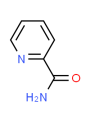
B3-Boost™ (Picolinamide)
LipidSoft™ Deo (Triethyl Citrate, TEC)