Roll-on Deodorant Formulations: Wax vs. Silicone with Citromask
Question
Could you please provide information on different types of roll-on deodorant formulations, including their characteristics, pros and cons, and general ingredients, particularly focusing on how to incorporate ingredients like Anti-Sweat™ (Aluminum Chlorohydrate) and Citromask for sweat and odor control? I am interested in understanding the differences between formulations like wax/solid cream based and silicone-based ones.
Answer
Roll-on Deodorant Formulations with Citromask
Based on the information provided, there are two main types of roll-on deodorant formulations you can consider, both of which can incorporate Citromask for odor absorption:
1. Wax/Solid Cream Formula
- Pros: Lower cost.
- Cons: May feel sticky (can be reduced with Ethyl Alcohol), requires heat for mixing.
- General Ingredients:
- Water
- Any type of cream maker (emulsifier)
- Wax (enough to achieve desired thickness)
- Light Silicone (e.g., Cyclomethicone) - helps the formula evaporate faster.
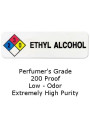
- Ethyl Alcohol - helps make the formula lighter and dry faster.
- Anti-Sweat™ (Aluminum Chlorohydrate) 5-25%
- Other additives: Fragrance, Citromask (helps absorb odor).
2. Silicone-based Formula
- Pros: Light texture.
- Cons: Higher cost, may cause clogging for users sensitive to silicones.
- General Ingredients:
- Silicone Gel (e.g., Vinyl Dimethicone Crosspolymer) 50-80%
- Anti-Sweat™ (Aluminum Chlorohydrate) 5-25%
- Other additives: Fragrance, Citromask (helps absorb odor).
Citromask specifically functions as an odor absorber in both types of formulations.
Please note that the provided information outlines the general ingredients and characteristics of each formula type but does not include detailed step-by-step mixing instructions, other than mentioning that the wax/solid cream type requires heat for mixing.