Safety of Chemical vs. Physical Sunscreens and Regulatory Approval
Question
What are the safety concerns regarding chemical sunscreens such as Benzophenone, Octocrylene, and Octylmethoxycinnamate, including the generation of Reactive Oxygen Species (ROS)? How do regulatory bodies like the EU and USA assess these risks compared to the risk of UV exposure? What is the safety profile of physical sunscreens like Zinc Oxide and Titanium Dioxide in comparison to chemical sunscreens, considering their mechanism of action and potential risks?
Answer
Regarding your question about the safety of chemical sunscreens like Benzophenone, Octocrylene, and Octylmethoxycinnamate, and physical sunscreens like Titanium Dioxide and Zinc Oxide:
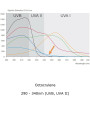
It is true that some research indicates chemical sunscreens can generate Reactive Oxygen Species (ROS) or free radicals upon absorbing UV radiation. However, this risk is generally considered low and can be mitigated by incorporating antioxidants such as Vitamin E into the sunscreen formulation. Other potential risks of chemical sunscreens include photosensitivity or allergic reactions.
Regulatory bodies worldwide, including those in the EU and USA, have extensively reviewed these research findings. They weigh the potential risks against the significantly higher risk of skin cancer and skin damage caused by unprotected exposure to UV radiation. Based on this assessment, they have concluded that the benefits of using approved chemical sunscreens within specified concentration limits far outweigh the potential risks. It's worth noting that many chemical sunscreen ingredients found to have high risks have been banned in the past, and the ones currently permitted have undergone rigorous safety testing, sometimes taking many years.
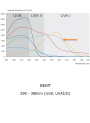
For physical sunscreens like Zinc Oxide and Titanium Dioxide, the risk profile is generally much lower. This is because they work by sitting on the surface of the skin to block UV rays, rather than being absorbed into the skin like chemical sunscreens. The primary risk associated with physical sunscreens is potential allergic reactions.
In summary, while both chemical and physical sunscreens have potential risks, regulatory authorities globally permit their use because the risk of not protecting your skin from UV damage is considered much greater. Physical sunscreens are generally considered to have a lower risk profile compared to chemical sunscreens due to their mechanism of action.
Related Products Mentioned

Vitamin E (Tocopheryl Acetate)
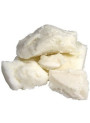
Shea Butter (Refined , Deodorised)
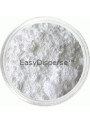
Zinc Oxide 200nm EasyDisperse™