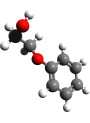
Safety of Phenoxyethanol vs. Parabens: TV Experiment vs. Cosmetic Use
Question
Based on a science program experiment where fish reacted negatively to Paraben and `Phenoxyethanol 1%`, the program concluded that `Phenoxyethanol` has equivalent safety to some parabens. Is this claim true?
Answer
Safety of Phenoxyethanol vs. Parabens
The experiment shown in the television program, where fish reacted to Paraben and Phenoxyethanol, demonstrates the potential toxicity of these substances to aquatic life at the tested concentration. However, it's important to understand that the safety evaluation of ingredients for cosmetic use in humans involves different testing methods, concentrations, and considers various exposure routes (e.g., skin application) and long-term effects.
In the context of cosmetic formulations, Phenoxyethanol is widely regarded as a safer alternative to Parabens. Concerns have been raised about certain Parabens regarding potential endocrine disruption and other health effects, leading many cosmetic manufacturers to switch to Paraben-free preservatives like Phenoxyethanol.
While the program's conclusion that Phenoxyethanol has equivalent safety to some Parabens might be based on specific data or a particular comparative context, the general consensus in the cosmetic industry and regulatory bodies leans towards Phenoxyethanol being a preferred, safer option compared to Parabens for human topical application. The product information available also highlights Phenoxyethanol as a Paraben-free alternative.
Therefore, while the fish experiment is an interesting demonstration of acute toxicity in a specific environment, it does not directly contradict the broader scientific consensus and regulatory stance on the relative safety of Phenoxyethanol compared to Parabens in cosmetic products for human use.
Related Products Mentioned
Phenoxyethanol (Extra Pure)

Phenoxyethanol SA (eq. Optiphen Plus)

Sodium Paraben (Sodium Ethyl Paraben)