Sensitive, Acne-Prone Skin: Ingredient Testing and DIY Formulation Guidance
Question
I have acne-prone skin, specifically with clogged pores. My skin is oily but feels dry, which I suspect is due to using acne medications causing excessive dryness, leading my skin to produce more oil.
If I don't use acne medication, I get breakouts. If I use skincare products, I get clogged pores and still need acne medication, causing dryness again. I need guidance on this cycle or suggestions for nourishing products compatible with my skin while using acne medication.
I want to clarify my definition of 'allergic reaction' or 'sensitivity':
- Cetaphil Gentle: No initial reaction, but after three days, my face felt very dry and irritated after washing. This didn't happen with the facial wash from the dermatology institute.
- Ezerra: I don't think this caused an allergic reaction, but when applied thickly (because my face was dry), it increased clogged pores. When these clogged pores became inflamed acne, I had to use acne medication again, causing dryness.
- Aloe Vera Gel (Lite) Base: After three days of use, I developed painful inflammatory acne in areas where I don't usually get breakouts (chin, forehead), along with a rough, rash-like texture when touching my face. I believe this indicates an allergic reaction. The symptoms improved after stopping use.
When I observe my skin, typical breakouts are usually not very painful clogged pores. Allergic reactions, in my experience, manifest as painful inflammatory acne (sometimes multiple at once) or a rough, rash-like texture.
I currently use:
- Cream base from the dermatology institute (very oily, causes clogged pores, but prevents dryness).
- Post acne cream (spot treatment).
- Acne Lotion (Water, Resorcinol, Zinc Oxide) (spot treatment, I suspect Resorcinol causes dryness).
- Erythomycin 1% (spot treatment for inflammatory acne).
I am trying to mix my own products to avoid potential allergens and test individual ingredients. I am currently testing Water + Allantoin by mixing a small amount and spraying it on my face after washing, avoiding acne areas, followed by the clinic's cream base on dry areas. I plan to test for about 4 days before adding the next ingredient (likely Vitamin B5 or Hya nano).
I am considering mixing Water + Zinc Oxide (Micronized) to use as a daytime powder sunscreen, as Zinc Oxide is listed as soothing for rashes and has a white color like powder. Is this suitable? Please advise on any potential issues or inappropriateness of this approach.
Thank you.
Answer
Subject: Inquiry and Request for Assistance Regarding Sensitive Skin and Ingredient Testing
Hello, I understand that finding products suitable for sensitive, acne-prone skin with accompanying dryness and occasional itching is a challenging and often frustrating process. I commend you for your detailed observation of your skin's reactions and your systematic approach to testing ingredients one by one to identify potential culprits. This is the most correct and safest method.
Based on the information you provided and the advice from C7, I would like to offer some additional recommendations:
Regarding Your Step-by-Step Ingredient Testing Approach:
Your current approach of mixing Water + Allantoin and planning to follow with Panthenol or Hyaluronic Acid is absolutely correct. Starting with gentle ingredients that have soothing and moisturizing properties is an excellent strategy. Allantoin and Panthenol are well-known for their ability to reduce irritation, promote wound healing, and provide hydration, making them very suitable for your current skin condition.
Recommendations for Adding Subsequent Ingredients:
After you have tested Water + Allantoin (and potentially included Panthenol or Hyaluronic Acid as planned) and are confident that there are no signs of allergy or irritation, the next group of ingredients to consider adding should focus on strengthening the skin barrier and providing additional hydration. Since your skin is prone to dryness and irritation, reinforcing a healthy skin barrier will help reduce the likelihood of allergic reactions and transepidermal water loss, keeping your skin more moisturized and resilient.
Based on your purchased ingredients, the following are good candidates to consider adding next (while still recommending adding them gradually and observing your skin):
- Ceramide Complex (CeraTouch™) (ID: 46): Ceramides are essential components of the skin barrier. Supplementing ceramides helps to restore and strengthen the barrier function, reducing water loss and making the skin more hydrated and robust. This is highly beneficial for sensitive and dry skin and can significantly help reduce dryness and irritation.
- Sodium PCA 50% (ID: 156), Hyaluronic Acid (Nano Molecule) (ID: 105), MOIST72™ (ID: 257), Glycerin (Vegetable) (ID: 143): This group of ingredients consists of Humectants, which help draw water into the skin and maintain moisture. Adding good humectants will help alleviate dryness and tightness, especially when you are in air-conditioned environments. Nano Molecule Hyaluronic Acid may absorb better and feel lighter than larger molecules, but individual responses vary. Sodium PCA and MOIST72™ are also good moisturizers and are generally less likely to cause clogged pores. Glycerin is a basic and safe humectant, but at high concentrations, it can feel sticky.
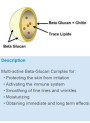
- Beta Glucan (Saccharomyces cerevisiae extract) (ID: 221): Beta Glucan has properties that help soothe the skin, reduce inflammation, and promote wound healing. It is another excellent option for sensitive skin and inflammatory acne.
Suggested Order for Adding Ingredients:
After successfully testing Water + Allantoin (+ Panthenol/Hya Nano) with no issues, you might consider adding barrier-strengthening and moisturizing ingredients:
- Step 1: Water + Allantoin (+ Panthenol/Hya Nano) - Test for 4-7 days.
- Step 2: Add Ceramide Complex - Test for 4-7 days.
- Step 3: Add Humectants (Choose 1-2 from Sodium PCA, Hya Nano, MOIST72™, Glycerin) - Test for 4-7 days.
- Step 4: Add Beta Glucan - Test for 4-7 days.
Other ingredients like Niacinamide (ID: 74) and N-Acetyl-D-glucosamine (ID: 116) are beneficial for reducing redness, improving skin tone, and controlling oiliness. However, Niacinamide can cause irritation in some individuals, especially at higher concentrations. It's best to introduce this after your skin barrier is more stable and start with a low concentration.
Aloe Vera Extract (ID: 76) was present in the base product that caused you issues. You should be particularly cautious when using it alone or in your own formulations. It might be better to test this ingredient much later or potentially avoid it if you strongly suspect it was the cause of your reaction.
Silk Talc Powder (ID: 283) is a powder that can feel drying and may clog pores in some individuals prone to comedonal acne. Test this with caution as well.
Regarding the Idea of Mixing Water + Zinc Oxide (Micronized) as a Daytime Powder/Sunscreen:
Zinc Oxide (Micronized) (ID: 292) is a good physical sunscreen ingredient and indeed has properties that help soothe the skin, reduce irritation, and can be beneficial for rashes. Mixing it with water is possible and can be used as a Calamine Lotion or a drying lotion for spot treatment of rashes or inflammatory acne.
However, if you intend to use it as a "powder sunscreen" for overall facial sun protection, a simple mix of Zinc Oxide and plain water may not be sufficient for effective sun protection for several reasons:
- Dispersion: Zinc Oxide may not disperse evenly in plain water, leading to inconsistent sun protection.
- Stability: The mixture may separate easily.
- Adherence: It may rub off easily with sweat or touch.
- Protection: It may only provide protection against UVB and some UVA rays. Effective sunscreens often require Zinc Oxide combined with other UV filters or proper dispersion technology to provide broad-spectrum UVA/UVB coverage and stability.
The clinic's Acne Lotion you are using contains Zinc Oxide and Resorcinol (ID: 493). Resorcinol is a medication that helps exfoliate the skin and reduce inflammation, which could indeed be the cause of your skin dryness. If you wish to avoid Resorcinol, mixing Zinc Oxide with plain water to use as a soothing spot treatment for rashes or localized irritation is feasible. However, for reliable daily sun protection, you might need to consider more complex formulations or use commercially available sunscreens specifically designed for sensitive skin.
In Summary:
- Your step-by-step approach to testing ingredients is correct. Observe your skin closely at each stage.
- After testing Allantoin and Panthenol/Hya Nano, consider adding ingredients that help strengthen the skin barrier (Ceramide Complex) and other Humectants for added moisture.
- Beta Glucan is another good option for soothing the skin.
- Niacinamide and Aloe Vera should be tested with caution and potentially added later in the process.
- Mixing Zinc Oxide with plain water can be used as a soothing spot treatment but is not ideal as a primary, effective facial sunscreen for overall protection.
I wish you success in finding the ingredients that work best for your skin, endorphinism! Caring for sensitive skin takes time and a deep understanding of your own skin's needs.
Related Products Mentioned
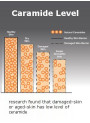
Ceramide Complex (CeraTouch™, Cream)

Safe-B3™ (Vitamin B3, Niacinamide)

Allantoin
GlucoBright™ (Acetyl Glucosamine)
Glycerin (USP/Food Grade)
Sodium PCA 50%

MOIST72™
Talc Powder (5 Micron, Methicone Coated)
Zinc Oxide (Micronized)