Sensitive Skin Cream Formulation: Mixing Order and Preservation
Question
I am formulating a cream for sensitive, dry-to-combination skin with pigmentation (dark spots, melasma, dullness). I would like to confirm the mixing steps, especially regarding Satin Mousse (Satin Cream Maker) and Mild Preserved.
My proposed mixing steps are:
- Prepare water phase (A).
- Prepare oil phase (B).
- Add Satin Mousse (Satin Cream Maker) to A and mix until combined.
- Combine A+B while continuously mixing.
Is this mixing order correct?
Also, Mild Preserved dissolves in emulsifiers. When and how should I add it to the formula?
Answer
Formulation Feedback and Guidance
Thank you for sharing your updated formula and your dedication to creating a suitable product for sensitive, dry-to-combination skin with pigmentation concerns. It's understandable that formulation can be complex, and you've made significant progress based on the previous feedback.
Here is a review of your updated formula and answers to your questions:
Ingredient Selection and Suitability
Your selection of ingredients targets the desired outcomes of reducing dark spots, dullness, and providing hydration while being mindful of sensitive skin:
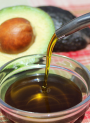
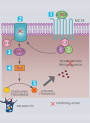
- Whitening/Brightening: MSH White, N-Acetyl-D Glucosamine, Vitamin B3, and Alpha Arbutin are all excellent choices for addressing pigmentation issues through different mechanisms. Using them together can provide synergistic effects. The inclusion of Avocado Oil helps dissolve the oil-soluble MSH White, as previously advised.
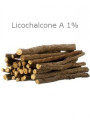
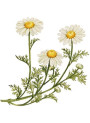
- Soothing/Anti-inflammatory: Licochalcone A and Natural Bisabolol are beneficial for sensitive skin, helping to reduce irritation and redness.
- Hydration: Natural Moisturizing Amino Acids and Natto Gum are good humectants that help improve skin moisture. Your decision to streamline the moisturizing ingredients from your initial list is appropriate for avoiding a heavy feel, especially for combination skin.
- Other Ingredients: Disodium EDTA acts as a chelating agent, helping with formula stability. Phenoxyethanol and Mild Preserved are included as preservatives.
Formula Texture (Cream vs. Serum)
With the inclusion of Avocado Oil (an oil phase) and Satin Cream Maker (an emulsifier), your formula is designed to form a cream texture. This aligns with your goal of creating a night cream. The Satin Cream Maker is effective at creating a stable cream from water and oil phases without needing heat.
Exfoliation
You asked about adding ingredients for cell turnover or acids. While exfoliation can help with skin brightening and texture, adding strong acids might not be suitable for sensitive skin. Natural PHA (Gluconolactone) from your initial list is a gentler option for mild exfoliation if you wish to include it, but the current focus on reducing pigmentation and soothing the skin is also a valid approach for sensitive skin.
Mixing Method
The mixing method you described is correct and aligns with the guidance provided:
- Prepare the water phase (A) by mixing water, Disodium EDTA, N-Acetyl-D Glucosamine, Vitamin B3, Licochalcone A, Natural Moisturizing Amino Acids, Natto Gum, Alpha Arbutin, and Phenoxyethanol.
- Prepare the oil phase (B) by mixing Avocado Oil, MSH White, and Natural Bisabolol. You may need to gently heat the oil phase (around 80°C) to fully dissolve MSH White, as per its instructions.
- Add Satin Cream Maker to phase A and mix until well dispersed.
- Gradually add phase B to phase A while continuously mixing until a cream texture is formed.
- Add Mild Preserved in the final step after the cream has formed.
Regarding the Turmeric Extract Powder and Ginseng Encapsulate, as mentioned previously, it is best to confirm their solubility and recommended mixing method with the supplier you purchased them from, as their properties can vary.
Overall, your revised formula is well-considered for your skin type and concerns. Remember to perform a patch test before applying the final product to your face, especially given your sensitive skin.
Related Products Mentioned
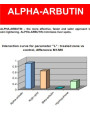
Alpha Arbutin (Switzerland)
Safe-B3™ (Vitamin B3, Niacinamide)
Natural Bisabolol (Brazil Chamomile)
Avocado Oil (Refined)
GlucoBright™ (Acetyl Glucosamine)
Phenoxyethanol (Extra Pure)
Disodium EDTA
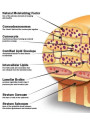

Satin Cream Maker™
Natto Gum Extract
MSH White™ (Undecylenoyl phenylalanine)