Sensitive Skin Serum Formulation Advice
Question
I would like advice from an R&D officer regarding the following serum formulation:
Ingredients:
- Distilled Water
- Pitera 15%
- Repair-Activator 10%
- Rhamnose 3%
- Chamomile Extract 1%
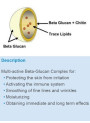
- beta glucan 3%
- Prebio-care 3%
- Micro Silver Porous 0.2%
- Niacinamide Safe-B3 Switzerland 4%
- Vitamin B12 7%
- Glucosamine 3%
- CosmoWhite 1.5%
- Placenta (Horse Placenta Extract) 1%
- Ectoin 2%
- Dimethyl Isosorbide 3%
- HydroAlgae 1%
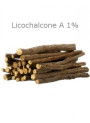
- Licochalcone A 1%
- Moist 24 0.5%
- Odor-Kill 1%
- Mild Preserved Eco™ 0.8%
- Pro Polymer 0.5%
- LipidSoft™ Lite 4%
- 1,2-Hexanediol 2%
My skin type is combination, sensitive, and easily irritated, experiencing dryness, itching, redness, peeling (especially when exposed to irritants like fragrance, alcohol, acid), and fungal acne in the T-zone.
Questions:
- Can the extracts and ingredients in this formula be mixed together?
- Based on this formula, can it be used as a serum for sensitive and easily irritated skin?
- Will the serum texture be more pink or yellow? If I want it to be more pink than yellow, what adjustments should I make? Or is it not recommended to adjust the color to keep the formula gentle on the skin?
- Will this formula be too heavy or thick on the skin? I would like it to spread easily and absorb effectively.
- Are Prebio-care and beta glucan the same? Should I use both or just one? Which one is recommended?
Answer
Formulation Advice for Sensitive Skin Serum
Here is a review of your serum formulation and answers to your questions, considering your combination, sensitive skin prone to dryness, itching, redness, peeling, and fungal acne.
1. Compatibility of Ingredients
The ingredients in your formula are generally compatible. Most are water-soluble and commonly used together in cosmetic formulations aimed at soothing, repairing, and hydrating the skin. Key considerations for stability and compatibility include:
- pH Levels: Ensure the final pH of your serum is within a range that supports the stability and efficacy of all ingredients. Vitamin B12 is particularly sensitive to pH outside of 4.0-6.5 (optimal 5.8). Many of your other ingredients have optimal or acceptable ranges that overlap with this (Niacinamide 4.0-7.0, Beta Glucan 5-7, Rhamnose 5-9, Prebio-care 4-10, Mild Preserved Eco 4-9, Licochalcone A 3.5-6.5). Aiming for a pH between 5.0 and 6.0 would be a good compromise to maintain the stability of most ingredients, especially Vitamin B12.
- Mixing Order and Temperature: Some ingredients like Pitera, Repair-Activator, Beta Glucan, Vitamin B12, and HydroAlgae are sensitive to heat and should be added in the final phase of mixing below 40-50°C. Pro Polymer should be properly hydrated without excessive blending. Micro Silver Porous needs to be well-dispersed, perhaps pre-mixed with Glycerin or another suitable liquid before adding to the main batch.
- Vitamin B12 Sensitivity: Vitamin B12 is sensitive to light and other vitamins (particularly Vitamin C and other B vitamins). While Niacinamide (Vitamin B3) is present, the combination is generally considered acceptable, but minimizing exposure to light during manufacturing and packaging in an opaque container is crucial for Vitamin B12 stability.
Overall, with careful formulation techniques regarding pH, mixing, and storage, these ingredients can be combined.
2. Suitability for Sensitive Skin
This formulation includes many ingredients known for their benefits for sensitive and compromised skin:
- Soothing and Anti-inflammatory: Chamomile Extract (Natural Bisabolol), Beta Glucan, Licochalcone A, Vitamin B12, Ectoin, and Repair-Activator are all known for their ability to reduce redness, irritation, and inflammation, which are key concerns for your skin type.
- Barrier Support: Ingredients like Pitera, Beta Glucan, Prebio-care, Niacinamide (Safe-B3), Ectoin, and HydroAlgae help strengthen the skin barrier, improve hydration, and support healthy skin flora, which is essential for sensitive and reactive skin.
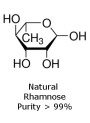
- Anti-Acne/Anti-Bacterial: Micro Silver Porous and Rhamnose have properties that can help control bacteria, including those contributing to acne and potentially fungal issues, without being overly harsh.
Given the high concentration of active ingredients, while beneficial, it is still important to perform a patch test before applying the serum to the entire face, especially with sensitive skin. The inclusion of Dimethyl Isosorbide, a penetration enhancer, could potentially increase the absorption of actives, which might cause a reaction in very sensitive individuals, although it also helps improve texture and absorption.
Overall, the formula is well-designed with sensitive skin in mind, incorporating numerous soothing and barrier-supporting ingredients. It is likely suitable, but individual patch testing is highly recommended.
3. Serum Color Adjustment
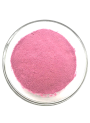
The natural color of your serum will likely be influenced by Vitamin B12 (light pink powder) and Licochalcone A (brown liquid), along with other extracts. At 7%, Vitamin B12 will impart a noticeable pink tint. Licochalcone A at 1% will contribute a yellowish-brown hue. The resulting color will likely be a blend, potentially a pinkish-brown or light reddish-brown, rather than a pure pink or yellow.
If you desire a more prominent pink color, you could potentially increase the concentration of Vitamin B12, but you are already using a high percentage (7%), close to the maximum recommended for certain conditions (psoriasis). Increasing it further may not be advisable or significantly change the color saturation. Adding a cosmetic colorant is another option, but it is generally not recommended for sensitive skin formulations as colorants can be a source of irritation. To maintain the gentleness and hypoallergenic nature of your formula, it is best to embrace the natural color provided by the active ingredients rather than adding artificial colorants.
4. Texture and Absorption
The combination of ingredients in your formula should result in a serum texture that is spreadable and absorbs effectively:
- Pro Polymer at 0.5% provides gelling and thickening properties. While on the lower end of the recommended range for a general gel, it contributes to the serum consistency.
- LipidSoft Lite at 4% is a lightweight emollient that significantly improves spreadability and gives a smooth, non-sticky feel, aiding in quick absorption.
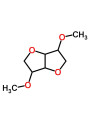
- Dimethyl Isosorbide acts as a solvent and penetration enhancer, helping the ingredients absorb into the skin more efficiently.
- Moist 24 also contributes to a pleasant texture and aids absorption.
The current percentages of these ingredients are balanced to create a serum that should be easy to apply and absorb well without feeling heavy or sticky. If you find the texture too thick, a slight reduction in Pro Polymer might be considered, but ensure it doesn't compromise the stability of the formula.
5. Prebio-care and Beta Glucan
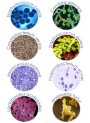
Prebio-care (Alpha-glucan oligosaccharide) and Beta Glucan (from Saccharomyces cerevisiae extract) are not the same ingredient, although they both offer benefits for skin health, particularly for sensitive skin.
- Prebio-care is a prebiotic. Its primary function is to selectively feed the beneficial bacteria (normal flora) on your skin, helping to balance the skin's microbiome. A healthy microbiome is crucial for a strong skin barrier and can help reduce issues like itching, redness, and the proliferation of harmful bacteria, including those contributing to acne and potentially fungal imbalances.
- Beta Glucan is a polysaccharide known for its immune-modulating and anti-inflammatory properties. It works by stimulating the skin's immune cells to better defend against irritants and pathogens, reducing inflammation and allergic reactions, and promoting skin repair.
Given your skin concerns (sensitivity, dryness, itching, redness, peeling, fungal acne), using both Prebio-care and Beta Glucan in your formula is beneficial and recommended. They work through different but complementary mechanisms to improve skin health. Prebio-care supports the long-term balance of your skin's ecosystem, while Beta Glucan provides more direct soothing and barrier-strengthening effects against immediate irritation and inflammation. Your current formula includes both at appropriate concentrations (3% each), which is a good approach for comprehensive support for sensitive and reactive skin.
Related Products Mentioned

Natural Bisabolol (Brazil Chamomile)
GlucoBright™ (Acetyl Glucosamine)
Pro Polymer™ (Gel Maker)
Rhamnose (rhamnose sugar)

Micro Silver Porous™
Mild Preserved Eco™ (Preservative-Free)
MOIST24
Ectoine (Ectoin, from Bio-fermentation)
Odor-Kill™

Horse Placenta
Vitamin B12 (Cyanocobalamin 1%)
Dimethyl Isosorbide (DMI)
Prebio-care (Skin Prebiotic)
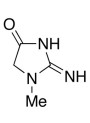
CosmoWhite™ (1-Methylhydantoin-2-Imide)