Serum Cloudiness and White Residue Issue
Question
Based on the following serum formula, what causes the cloudiness in the texture and the significant white residue when applied to the skin? Formula ingredients: Water, HEC, Glycerin, Butylene, Greentea extract 3%, Zinc PCA 1%, BHA (water-based) 2%, B3 4%, B5 1%, Tea Tree Oil (water-soluble) 0.2%, GlucoBright 2%, Phenoxyethanol, Peg-40.
Answer
Analysis of Your Serum Formula
Your serum contains several active ingredients aimed at skin concerns like acne, oiliness, and brightening. The ingredients include:
- Water
- HEC (Hydroxyethylcellulose) - a thickener
- Glycerin - a humectant
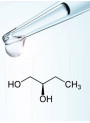
- Butylene Glycol - a solvent and humectant
- Green Tea Extract
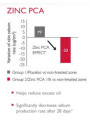
- Zinc PCA (1%) - for oil control and acne
- Salicylic Acid (BHA, water-based, 2%) - for exfoliation and acne
- Niacinamide (Vitamin B3, 4%) - for barrier function, brightening, and oil control
- Vitamin B5 (1%) - for hydration and soothing
- Tea Tree Oil (water-soluble, 0.2%) - for anti-bacterial properties
- GlucoBright (Acetyl Glucosamine, 2%) - for brightening and hydration
- Phenoxyethanol - a preservative
- PEG-40 - likely a solubilizer or emulsifier
Potential Causes for Cloudiness and White Residue
The cloudiness and white residue are likely due to ingredient incompatibility or solubility issues within your formulation. Here are the most probable culprits:
- Zinc PCA: Zinc PCA is known to have specific pH requirements for optimal solubility, typically between pH 4-6. If your serum's final pH is outside this range, the Zinc PCA can precipitate, causing cloudiness and leaving a white residue on the skin.
- Salicylic Acid (BHA): While you are using a "water-based" type, Salicylic Acid's solubility is highly dependent on pH. For effective exfoliation and solubility, BHA generally requires an acidic pH, ideally below 4. If the pH of your formula is too high, the Salicylic Acid may not be fully dissolved and can precipitate.
- pH Conflicts: Your formula contains ingredients with conflicting optimal pH ranges. Salicylic Acid prefers a low pH (acidic), while Zinc PCA is best in a slightly acidic to neutral range (4-6), and Niacinamide and GlucoBright are stable in slightly wider ranges (Niacinamide 3-8, GlucoBright 3-7). Trying to accommodate all these ingredients in one formula at their optimal efficacy/stability pH can be challenging and lead to precipitation of the less soluble ingredients at that specific pH.
- Ingredient Interactions: The combination of multiple active ingredients at these concentrations (Zinc PCA 1%, BHA 2%, Niacinamide 4%, GlucoBright 2%) increases the chance of interactions that can reduce solubility or cause precipitation.
- HEC Hydration: While less likely to cause significant white residue on the skin compared to precipitated salts or acids, improperly hydrated HEC can lead to a non-uniform, cloudy gel texture.
The white residue you see when applying the serum is a strong indication that some solid material is coming out of the solution and drying on the skin. This is most commonly precipitated salts (like Zinc PCA) or acids (like Salicylic Acid) that were not fully dissolved or became insoluble due to the pH or interactions in the formula.
Recommendations
To troubleshoot this issue, consider the following:
- Check the pH: Measure the final pH of your serum. This is the most critical factor for the solubility of Zinc PCA and Salicylic Acid. You may need to adjust the pH to find a balance where all ingredients remain soluble, although this might mean compromising the optimal pH for one or more actives. Achieving a pH where both 2% BHA and 1% Zinc PCA are fully soluble and stable can be difficult.
- Ensure Full Dissolution: Make sure each ingredient is fully dissolved in the appropriate phase before combining them. For water-soluble powders like Zinc PCA, Niacinamide, and GlucoBright, ensure they are completely dissolved in the water phase. If your BHA requires a solvent like Butylene Glycol for full dissolution before adding to the water phase, ensure that step is done correctly.
- Order of Addition: The order in which you add ingredients can sometimes affect stability and dissolution, especially with thickeners like HEC and sensitive actives. Ensure HEC is properly hydrated before adding other ingredients. Add actives carefully, potentially pre-dissolving them in a small amount of solvent or water first.
- Reduce Concentration: If adjusting pH or mixing methods doesn't resolve the issue, you might consider slightly reducing the concentration of the ingredients most likely to precipitate (Zinc PCA or BHA) to see if they remain soluble at lower levels in your formula's pH range.
Addressing the pH and ensuring proper dissolution of Zinc PCA and Salicylic Acid are the most crucial steps to resolve the cloudiness and white residue.
Related Products Mentioned
Safe-B3™ (Vitamin B3, Niacinamide)
GlucoBright™ (Acetyl Glucosamine)

Glycerin (USP/Food Grade)
Salicylic Acid (BHA, Pharma Grade)
Phenoxyethanol (Extra Pure)

Tea Tree Oil (Extra Grade, Terpinen‑4‑OL >43%, Australian)
Zinc PCA
Butylene Glycol