Serum-Cream Formulation: Texture, Ingredient Substitution, and Compatibility
Question
I am formulating a serum-cream and need advice on several aspects:
- How can I achieve a lighter, non-sticky serum-cream texture? I suspect Vitamin E might be contributing to stickiness. Can I add silicones like Cyclomethicone or Polymethylsilsesquioxane? Are there alternative cream makers to Easy Cream Maker that provide a lighter feel?
- Can Vitamin E (dl-alpha tocopherol) be replaced, particularly regarding its role in stabilizing L-ascorbic acid (especially with Ferulic Acid)?
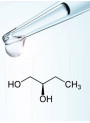
- Can Butylene Glycol and Ethoxydiglycol be substituted with Pentylene Glycol (Low-Odor)? What usage rates are appropriate for Pentylene Glycol when replacing these?
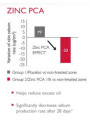
- What is the compatibility of Vitamin B3 (Niacinamide), Perfect-C (Ascorbyl Tetraisopalmiate), and Zinc PCA when used together in the same formula?
Answer
Serum-Cream Texture and Reducing Stickiness
To achieve a lighter, non-sticky serum-cream texture, you have a few options:
- Adjusting Existing Ingredients: As previously suggested, reducing the percentage of Vitamin E (dl-alpha tocopherol) in your formula may help decrease stickiness, as it is an oil-soluble ingredient.
- Adding Silicones: Yes, you can add Silicones like Cyclomethicone (Cyclopentasiloxane) or Polymethylsilsesquioxane to your formula to improve the texture and reduce stickiness.
- Cyclomethicone (Cyclopentasiloxane) is a lightweight silicone that evaporates quickly, providing a smooth, non-greasy, and silky feel. It can be added to the oil phase or silicone phase of your formula. It is generally recommended at 1-20% in creams and lotions.
- Polymethylsilsesquioxane is a powder that provides a soft-focus effect, helps blur imperfections, and contributes to a smooth, silky, and matte feel. It can also absorb oil, which helps reduce greasiness. It is typically used at 1-7% and should be dispersed in the formula, usually added in the final step.
- Choosing a Different Cream Maker: The Easy Cream Maker you are currently using has limitations, particularly with electrolytes and higher oil/silicone content, and can result in a slightly gooey texture. Consider using alternative cream makers that provide a lighter feel and better compatibility:
- Light Cream Maker produces a light, smooth, non-gooey cream texture, can tolerate electrolytes, and can emulsify up to 20% oil and up to 10% silicones.
- Satin Cream Maker produces a soft and smooth texture, is electrolyte resistant, and can handle up to 25% oil and up to 20% silicones like Cyclomethicone. It is a powder that is mixed into the water phase.
Choosing between Cyclomethicone and Polymethylsilsesquioxane depends on your desired finish – Cyclomethicone for a light, silky slip, and Polymethylsilsesquioxane for a soft-focus, matte feel. Using a different cream maker like Light Cream Maker or Satin Cream Maker may also significantly improve the overall texture and reduce stickiness, especially given the ingredients in your formula.
Replacing Vitamin E
Vitamin E (dl-alpha tocopherol) in your formula serves as a powerful antioxidant for the skin and, importantly, helps stabilize L-ascorbic acid, particularly in combination with Ferulic Acid, as seen in the original Vitamin C E Ferulic kit.
If your primary goal is to provide antioxidant benefits to the skin, there are many other antioxidants you could consider. However, if the purpose of the Vitamin E is specifically to help stabilize the L-ascorbic acid in this particular formula, finding a direct replacement that performs the same stabilization function is challenging. Based on the information available, there is no readily available alternative that is confirmed to provide the same synergistic stabilization effect for L-ascorbic acid as the combination of Vitamin E and Ferulic Acid.
Substituting Butylene Glycol and Ethoxydiglycol
- Replacing Butylene Glycol: Pentylene Glycol (Low-Odor) can effectively replace Butylene Glycol. Both act as solvents and humectants. Pentylene Glycol is generally used at a rate of 1-10% and also offers preservative-boosting properties. You can substitute Butylene Glycol with Pentylene Glycol within this typical usage range, adjusting based on your formulation needs and desired feel.
- Replacing Ethoxydiglycol: Ethoxydiglycol acts as both a solvent and a carrier, helping other ingredients penetrate the skin. While Pentylene Glycol is a solvent and humectant, it may not fully replicate Ethoxydiglycol's carrier function. You could potentially use Pentylene Glycol as a solvent, but you might need to consider other carriers if the penetration enhancement provided by Ethoxydiglycol is crucial for your formula's performance. The usage rate for Pentylene Glycol would still be within the 1-10% range.
Compatibility of Vitamin B3, Perfect-C, and Zinc PCA
Based on the information available, including previous advice, it is strongly recommended not to combine Niacinamide (Vitamin B3), Perfect-C (Ascorbyl Tetraisopalmitate), and Zinc PCA in the same formula. There are ongoing discussions about the potential stability issues and incompatibilities when these ingredients are used together. To ensure the stability and effectiveness of your product, it is best to avoid combining these specific ingredients in one formulation.
In summary, you can incorporate silicones like Cyclomethicone or Polymethylsilsesquioxane to improve texture, consider alternative cream makers for a lighter feel, substitute Butylene Glycol with Pentylene Glycol, and should avoid combining Niacinamide, Perfect-C, and Zinc PCA in the same formula. Replacing Vitamin E for its specific L-ascorbic acid stabilization role is difficult.
Related Products Mentioned
Vitamin C E Ferulic
Safe-B3™ (Vitamin B3, Niacinamide)
Pure-Ferulic Acid™
Vitamin C (L-ascorbic acid) (Ultra-Fine)
Vitamin E (dl-alpha tocopherol)
Ethoxydiglycol (e.q. Transcutol)
Triethanolamine 99%
Light Cream Maker™
Disodium EDTA

Satin Cream Maker™
Zinc PCA
Butylene Glycol
Easy Cream Maker™

Phenoxyethanol SA (eq. Optiphen Plus)