Serum Formula Analysis and Adjustment for Acne, Anti-Aging, and Brightening
Question
Based on the following serum formulation, please analyze and suggest adjustments (increasing/decreasing percentages, adding/removing ingredients) to optimize it for the following skin concerns: acne treatment, exfoliation, wrinkle reduction, skin brightening, skin whitening, and skin softening. The formulation is:
- Repair Activator 10%
- DMAE 5%
- Pal-GHK, Pal-GQPR 5%
- Argireline 10%
- Japanese Cedar 1%
- Ectoine 2%
- MOIST72 3%
- Complex Salicylic Acid 5%
- Willow Bark Extract 5%
- Safe-B3 5%
- GlucoBright 4%
- Vitamin B5 3%
- DMI 3%
- Mild Preserved Eco 1%
- EDTA 0.2%
- PiteraEx 2%
- น้ำกลั่น 24%
- Silky Serum Base 15%
Answer
Subject: Serum Formula Analysis
Thank you for providing your serum formulation. This formula includes many active ingredients targeting various skin concerns like anti-aging, acne, brightening, and hydration. Here's an analysis based on your goals:
Overall Goals & Ingredients:
- Anti-wrinkle: Ingredients like DMAE, Matrixyl 3000 (Pal-GHK, Pal-GQPR), Argireline, Safe-B3 (Niacinamide), and PiteraEx are included, which are effective for reducing wrinkles and improving skin firmness. The concentrations of DMAE (5%) and Argireline (10%) are on the higher side, which can be effective but might increase the risk of irritation for some individuals.
- Acne & Exfoliation: Complex Salicylic Acid (5%) and Willow Bark Extract (5%) are included. Salicylic acid is excellent for treating acne and exfoliating the skin. However, a combined concentration of potentially up to 10% salicylic acid (assuming the complex and extract contribute significant amounts) is very high for a leave-on serum and is likely to cause significant irritation, dryness, peeling, and sensitivity, especially with regular use. Standard usage is typically 0.5-2%.
- Brightening & Whitening: Safe-B3 (Niacinamide) and GlucoBright (N-Acetyl Glucosamine) are effective ingredients for improving skin tone, reducing dark spots, and brightening the complexion. Their concentrations (5% and 4% respectively) are appropriate and effective.
- Skin Softening & Hydration: MOIST72 (Saccharide Isomerate) and Vitamin B5 (Panthenol) are good humectants that help hydrate the skin and improve softness. Their concentrations (3% each) are suitable.
- Other Ingredients: Japanese Cedar Extract supports skin barrier function. Ectoine provides protection against environmental stressors. DMI is likely used as a penetration enhancer. Mild Preserved Eco and EDTA are standard formulation aids.
Recommendations for Adjustment:
- Reduce Salicylic Acid Concentration: This is the most critical adjustment. The combined 10% from Complex Salicylic Acid and Willow Bark Extract is likely too high and will cause irritation. Strongly recommend reducing the total effective salicylic acid concentration to 1-2% for a leave-on serum. You might keep one source (e.g., Complex Salicylic Acid) at a lower percentage (e.g., 1-2%) and potentially reduce or remove the other, depending on the desired effect and tolerance.
- Consider Adjusting High Concentration Actives: While DMAE (5%) and Argireline (10%) can be effective at these levels, consider slightly reducing them (e.g., DMAE to 1-3%, Argireline to 5-8%) if you experience sensitivity, as lower concentrations can still provide benefits, and you have other anti-aging ingredients.
- Check Total Percentage: The listed percentages sum to 103.2%. Please re-verify the percentages to ensure they add up to 100% of the total formulation weight.
- Consider pH: With a high concentration of salicylic acid, the final pH of the serum will be low. Ensure the pH is within a safe range for skin application (typically 4-6) and compatible with the stability and efficacy of other ingredients, especially peptides and Niacinamide. A low pH suitable for salicylic acid might compromise the stability or effectiveness of other ingredients and increase irritation.
- Add Soothing Ingredients: Given the high potential for irritation from salicylic acid, adding soothing ingredients like Allantoin, Bisabolol, or Centella Asiatica extract could help improve skin tolerance.
- Clarify "Repair Activator": Understand the specific function and recommended usage rate of "Repair Activator" at 10% to ensure it aligns with your goals and doesn't conflict with other ingredients.
Conclusion:
This formula is packed with beneficial ingredients but the very high concentration of salicylic acid is a major concern for skin tolerance. Adjusting the salicylic acid level is highly recommended. You have a good mix of ingredients for anti-aging, brightening, and hydration. By balancing the concentrations, particularly reducing the exfoliants, you can create a more effective and less irritating serum.
Related Products Mentioned
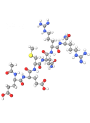
Acetyl Hexapeptide-8 (eq Argireline)
Pal-GHK, Pal-GQPR (eq Matrixyl 3000)
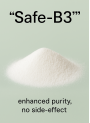
Safe-B3™ (Vitamin B3, Niacinamide)
GlucoBright™ (Acetyl Glucosamine)
Disodium EDTA

MOIST72™
Silky Serum Base (Face/Eye)
DMAE (SkinTight MD™) Liquid
Purified Water, TDS Limit 1PPM)
Mild Preserved Eco™ (Preservative-Free)
Ectoine (Ectoin, from Bio-fermentation)