Serum Formula Compatibility and Mixing Method for Post-Derma Rolling (Acne Scars, Oily Skin)
Question
I am formulating a serum for use after derma rolling to treat acne scars on oily, slightly acne-prone skin. The formula is as follows:
- Copper Peptide 3%
- PepColl 5%
- French Pine Bark Extract 2%
- Allantoin 0.5%
- Rice Vitamin 2%
- Moist 24 5%
- Zinc PCA 1%
- 1,2-Hexanediol 3%
- Pro Polymer 1%
- Purified Water 79.5%
My mixing method is: Combine ingredients 1-8 with Purified Water until dissolved, then add ingredient 9.
I would like to ask:
- Is the formula compatible?
- Is the mixing method correct?
Answer
Formula Compatibility and Mixing Method Analysis
Let's analyze your proposed formula and mixing method for a serum intended for use after derma rolling on oily, slightly acne-prone skin.
Formula Compatibility
The ingredients you have chosen are generally compatible and suitable for addressing concerns like acne scars, wrinkles, and skin healing, while also considering oily and sensitive skin.
- Peptides (Copper Peptide, PepColl): These are excellent choices for stimulating collagen and aiding in skin repair, which is beneficial after derma rolling and for acne scars.
- French Pine Bark Extract: Provides antioxidant and anti-inflammatory benefits, supporting skin healing and protection.
- Allantoin: Known for its soothing and anti-irritant properties, helpful for sensitive or post-treatment skin.
- Rice Vitamin (Inositol): Helps balance skin moisture and can be beneficial for oily skin.
- Moist 24: A good humectant for hydration without being heavy.
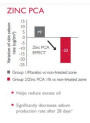
- Zinc PCA: An excellent ingredient for controlling oiliness, reducing acne inflammation, and promoting wound healing, making it very suitable for your skin type and concerns.
- Pro Polymer: A common gel-forming agent.
- 1,2-Hexanediol: Acts as a solvent and humectant.
Potential Compatibility Consideration:
Zinc PCA is an electrolyte. Pro Polymer, while having some electrolyte resistance, can be affected by electrolytes, potentially leading to a decrease in viscosity or requiring a higher concentration of the polymer to achieve the desired gel thickness. Your formula uses 1% Zinc PCA and 1% Pro Polymer. Based on the Pro Polymer description, a higher amount of Pro Polymer (e.g., 2-3%) might be needed to maintain a stable gel texture with 1% Zinc PCA. The mixing method is also crucial when electrolytes are present.
Optimal pH:
For optimal stability and efficacy of ingredients like Copper Peptide (pH 4.5-7.4), Zinc PCA (optimal solubility pH 4-6), and Rice Vitamin (pH 4-7), the final pH of your formula should ideally be in the range of 4.5 to 6. You may need to check and adjust the pH after mixing.
Mixing Method Analysis
Your proposed mixing method is a good starting point, but it can be refined based on the properties and mixing instructions of the specific ingredients to ensure better stability and texture.
Your method: Mix 1-8 with purified water until dissolved, then add 9.
Critique:
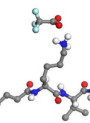
- Peptides (Copper Peptide and PepColl): These ingredients are typically added in the final step of formulation, at a temperature below 40°C, to maintain their stability and efficacy. Mixing them in the initial step with water, which might be warmed to dissolve powders, is not recommended.
- Pro Polymer: This gel maker requires careful hydration. It's best added to the water phase by slowly sprinkling the powder while stirring continuously to prevent clumping and ensure proper gel formation. High-speed blending should be avoided as it can damage the polymer structure.
- Electrolyte (Zinc PCA) and Pro Polymer: The Pro Polymer description suggests adding electrolyte-containing ingredients after the gel has been formed, and potentially using a higher concentration of Pro Polymer when electrolytes are present.
Recommended Mixing Method
Here is a suggested mixing method to improve the stability and texture of your formula:
- In a beaker, combine the Purified Water, 1,2-Hexanediol, and Moist 24.
- Begin stirring the water mixture. Slowly and gradually sprinkle the Pro Polymer powder onto the surface of the liquid while continuing to stir. Stir gently but consistently until the Pro Polymer is fully hydrated and a uniform gel is formed. This may take some time. Avoid vigorous or high-speed mixing.
- In a separate small container, dissolve the Allantoin, Rice Vitamin, and Zinc PCA powders in a small amount of purified water from your total amount. Gentle warming (below 40°C) can help Allantoin dissolve, but ensure the solution cools before adding to the main batch.
- Once the powders are fully dissolved, add this mixture to the main Pro Polymer gel batch and mix thoroughly until homogenous.
- Add the French Pine Bark Extract to the main batch and mix well.
- Check the pH of the mixture. If it is outside the 4.5-6 range, adjust it using a suitable pH adjuster (e.g., a dilute acid like citric acid or a dilute base like sodium hydroxide, added drop by drop with mixing) until the desired pH is reached.
- Once the main batch is at room temperature (below 40°C) and the pH is adjusted, add the Copper Peptide and PepColl solutions. Mix gently until they are fully incorporated.
- Your serum is now ready.
This revised method ensures that the temperature-sensitive peptides are added correctly and that the Pro Polymer is properly hydrated in the presence of the electrolyte Zinc PCA.
Related Products Mentioned
Pep®-Coll (Palmitoyl tripeptide-5)

Allantoin
Pro Polymer™ (Gel Maker)
Zinc PCA

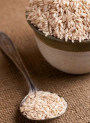
Rice Vitamin (Inositol, Vitamin B8)

Purified Water, TDS Limit 1PPM)