Serum Formula for Melasma & Brightening: Adding BHA
Question
I have developed a serum formula with the following ingredients:
- Artocarpus Lakoocha Wood Extract (Mahad)
- Lemon Peel Bioferment (Lemon Skin™)
- Phenylethyl Resorcinol (Sym-White™)
- Double Hyaluron Liquid
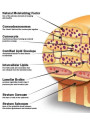
- Natural Moisturizing Amino Acids
- Natto Gum
- Kukui Nut Oil
- Atopi-Telmesteine™
- Carbomer 940
- Triethanolamine
- Disodium EDTA
- Polysorbate 20
- Reservoir-Tech
- Mild Preserved Eco™
- Propylene Glycol
My goals for this serum are skin brightening, improved skin elasticity, and overall skin health.
- How effective is this formula for treating melasma?
- Can I add other ingredients to this formula?
- Specifically, I am interested in adding BHA (Salicylic Acid). What is the maximum percentage allowed by the FDA for leave-on products, and is it compatible with my current formula?
Answer
Serum Formula Analysis and Recommendations
Your serum formula is designed to provide skin brightening and improve skin health and elasticity. Let's break down the ingredients and their functions:
- Brightening Agents: The formula includes several effective brightening ingredients: Artocarpus Lakoocha Wood Extract (Mahad), Lemon Peel Bioferment (Lemon Skin™), and Phenylethyl Resorcinol (Sym-White™). These ingredients primarily work by inhibiting tyrosinase, an enzyme involved in melanin production, which helps reduce dark spots and promote a more even skin tone. Natto Gum also offers gentle whitening properties.
- Moisturizing and Skin Health: Ingredients like Double Hyaluron Liquid, Natural Moisturizing Amino Acids, Natto Gum, and Kukui Nut Oil are excellent for providing hydration, improving skin elasticity, and supporting the skin's natural barrier function, contributing to overall healthy-looking skin. Propylene Glycol also acts as a humectant.
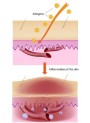
- Soothing: Atopi-Telmesteine™ is included to help reduce and counteract irritation, which is beneficial when using multiple active ingredients.
- Texture and Stability: Carbomer 940 is used as a gelling agent, neutralized by Triethanolamine. Disodium EDTA helps improve formula stability by chelating metal ions. Polysorbate 20 helps incorporate the oil phase (Kukui Nut Oil) into the water-based gel.
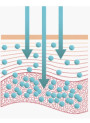
- Penetration Enhancement: Reservoir-Tech is included to help active ingredients stay on and gradually absorb into the skin, potentially prolonging their effects and reducing immediate irritation.
- Preservation: Mild Preserved Eco™ provides antimicrobial protection for the formula.
Effectiveness for Melasma
Your formula contains strong whitening agents that target melanin production, which is a key factor in melasma. However, effectively treating melasma often requires a multi-pronged approach that includes not only reducing pigment production but also increasing skin cell turnover to help shed existing pigmented cells.
Your current formula does not contain ingredients specifically known for significant exfoliation or increasing cell turnover (like AHAs or BHA). Therefore, while the whitening ingredients will help, the formula might not be as effective for treating established melasma compared to a formula that also incorporates a suitable exfoliating agent.
Adding More Ingredients
You can potentially add more ingredients, but you must do so carefully, considering compatibility and the increased risk of skin irritation, especially with multiple active ingredients. Always test new formulations on a small area of skin first.
Adding BHA (Salicylic Acid)
You asked about adding BHA (Salicylic Acid) and the maximum percentage. Salicylic Acid is a beta hydroxy acid (BHA) known for its exfoliating properties and ability to penetrate pores, which can be beneficial for increasing cell turnover and potentially helping with melasma.
- Usage Rate: For leave-on cosmetic products applied to the skin, the maximum permitted concentration of Salicylic Acid by the FDA is 2.00%. For wash-off products like shampoos, it can be up to 3.00%.
- Compatibility with Your Formula: Adding Salicylic Acid to your current formula presents a significant challenge due to the thickener used (Carbomer 940). Carbomer requires a neutral to alkaline pH (typically pH 6-7) to form a stable gel. Salicylic Acid is most effective as an exfoliant at an acidic pH (typically pH 3-4). If you add Salicylic Acid and adjust the pH for its efficacy, the Carbomer gel will likely break down.
If you wish to incorporate BHA, you would need to reformulate using a thickener that is stable at acidic pH levels, such as Xanthan Gum or Hydroxyethyl Cellulose.
- Irritation: Adding BHA, even at 1%, will increase the exfoliating effect but also the potential for irritation, especially when combined with multiple whitening agents. Using Atopi-Telmesteine™ and Reservoir-Tech may help mitigate some irritation, but caution is advised. Start with a low concentration (e.g., 0.5% or 1%) and observe your skin's reaction.
In summary, your formula is well-rounded for general brightening and skin health. For melasma, adding an exfoliating agent like BHA could enhance its effectiveness, but it would require changing the thickener in your formula due to pH incompatibility. Any additions should be made cautiously, considering the potential for increased irritation.
Related Products Mentioned
Propylene Glycol (USP)
Triethanolamine 99%
Salicylic Acid (BHA, Pharma Grade)
Polysorbate 20 (Tween 20)
Disodium EDTA
Lemon Peel Bioferment (Lemon Skin™)
Natto Gum Extract
Double Hyaluron Liquid
Carbomer 940 (EasyDisperse™, France)
Atopi-Telmesteine™
Mild Preserved Eco™ (Preservative-Free)
Reservoir-Tech