Serum Formula Review and Questions
Asked by: officialpon
On: April 07, 2017
Product Type:
Cosmetics
Answered
Question
Regarding a serum formulation containing the following ingredients:
- Hyaluronic Acid (Standard Molecule)
- Safe-B3 (Niacinamide)
- AA2G (Ascorbyl Glucoside)
- Zinc PCA
- Licorice Extract (Licochalcone A)
- Dipotassium Glycyrrhizate
- Pro Polymer
I have several questions:
- I want to make the formula thicker. Can increasing Hyaluronic Acid (Standard Molecule) help, and what concentration would be needed to achieve a gel texture? What are the potential downsides of using high concentrations of HA for thickening?
- Is it true that B3 (Niacinamide) and AA2G (Ascorbyl Glucoside) should not be combined in the same formula? (Referring to information seen about other brands like Paula's Choice).
- Is it acceptable to store this serum in a clear bottle?
- If I want to apply this serum around the eye area, do I need to adjust the concentration of any ingredients? If so, which ones and to what percentage?
- What is the correct mixing order for the ingredients, especially regarding Hyaluronic Acid Standard powder?
- Could you compare Licorice Extract (Licochalcone A) and Dipotassium Glycyrrhizate in terms of reducing irritation and controlling oiliness? Which is generally considered better for irritation reduction?
- Is this formula suitable for oily skin?
Answer
Subject: Serum Formula Review
Thank you for sharing your serum formula and questions. Based on the ingredients and the previous responses:
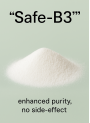
- B3 (Niacinamide) and AA2G (Ascorbyl Glucoside) Compatibility: According to the information available, B3 (Safe-B3) and AA2G should not be combined in the same formula. The staff cannot comment on the formulations of other brands like Paula's Choice.
- Clear Bottle Storage: Storing the serum in a clear bottle is generally not recommended, especially for ingredients like AA2G (a Vitamin C derivative) which can be sensitive to light. Exposure to light can cause these ingredients to degrade, reducing their effectiveness. It is best to store the serum in an opaque or amber colored bottle away from direct light.
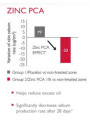
- Eye Area Application: The staff recommends reducing the concentration of certain ingredients if applying around the eyes, as the skin in this area is more delicate. For your formula, they suggest reducing Safe-B3 (Niacinamide) from 10% to 2-3% and Zinc PCA from 1% to 0.5% for eye area use.
- Mixing Order and Gel Texture:
- Regarding the mixing order for HA Standard, while you can mix liquids first and add HA last, the staff notes that dissolving the HA will be more difficult this way compared to dissolving powder ingredients in water first.
- The staff also clarified that 0.1% HA Standard is not enough to create a gel texture; the formula will remain very liquid. Increasing HA Standard to 0.2-0.3% might thicken it slightly but would likely result in a sticky texture and higher cost than necessary.
- To achieve a proper gel texture suitable for oily skin, the staff recommends using a dedicated gel maker like Pro Polymer at 0.5-1.0%.
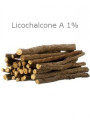
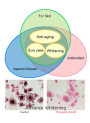
- Licorice Extract (Licochalcone A) vs. Dipotassium Glycyrrhizate: Both are derived from Licorice and can help reduce irritation. Licochalcone A has the added benefit of helping to control skin oiliness. Dipotassium Glycyrrhizate is generally less expensive. If your primary goal is irritation reduction and you don't need the oil control benefit, Dipotassium Glycyrrhizate is a cost-effective choice. The staff cannot definitively say which is better for irritation reduction alone without comparative studies.
- Suitability for Oily Skin: Yes, the formula is considered suitable for oily skin. However, as mentioned regarding the gel texture, you should incorporate a gel maker like Pro Polymer (0.5-1.0%) to achieve a more convenient texture for application, as 0.1% HA Standard will not create a gel.