Serum Formula Review for Sensitive Skin and Texture
Question
Hello, I would like to ask about this formula:
- Can sensitive skin use this formula?
- Is the product texture too sticky? (I don't want it to leave a film on the skin)
- I want a light serum texture on the skin. Is the formula suitable?
- Are there any parts that should be removed or added for sensitive skin?
Formula:
Ume Extract 4%
Repair Activator™ Powder 1%
PiteraEx 1%
Snail Secretion 3%
Safe-B3 10%
Pure MSM 3%
Willow Bark 5%
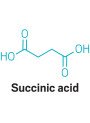
Pure Succinic 1%
beta glucan 3%
Natural Betaine 3%
Cerasoft 2%
VersaMoist 2%
MOIST24 5%
Satin Cream Maker 1.5%
Xanthan Gum 1%
Odor Kill 1%
Mild Preserved Eco 1%
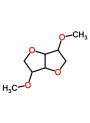
Dimethyl Isosorbide DMI 3%
น้ำกลั่น 49.5%
Total 100%
Answer
Serum Formulation Review
Thank you for sharing your serum formulation. I have reviewed the ingredients and can provide feedback on your questions.
1. Can sensitive skin use this formula?
This formula contains several ingredients known for their soothing and barrier-repairing properties, such as Snail Secretion, Beta Glucan, Natural Betaine, Cerasoft, and Mild Preserved Eco. These are generally beneficial for sensitive skin.
However, the formula also includes active ingredients at concentrations that could potentially cause irritation, especially for sensitive skin:
- Safe-B3 (Niacinamide) at 10%: While this is a high-purity grade designed to minimize flushing, 10% is still a significant concentration of an active ingredient and may be irritating for some sensitive individuals.
- Willow Bark Extract (Natural Salicylic Acid) at 5%: This concentration is within the range for skin exfoliation, which can be too aggressive for sensitive skin.
- Pure MSM (Methylsulfonylmethane) at 3%: This ingredient helps control oil and can have exfoliating properties, potentially causing irritation.
- Pure Succinic (Succinic Acid) at 1%: As an acid with antibacterial properties, it can also contribute to irritation.
The presence of Dimethyl Isosorbide (DMI) at 3% as a penetration enhancer could also increase the delivery and potential irritation of these active ingredients.
Conclusion for Q1: The formula contains a mix of soothing and potentially irritating ingredients at notable concentrations. It may be too strong for very sensitive skin. Patch testing is highly recommended.
2. Is the texture too sticky? (Don't want it to leave a film on the skin)
Ingredients that might contribute to stickiness or film formation include Snail Secretion (though the specific extract type is noted as not being stretchy), Xanthan Gum, and Satin Cream Maker (thickeners/emulsifier).
However, the formula also contains ingredients designed to improve texture, reduce stickiness, and aid absorption, such as Natural Betaine, Cerasoft, VersaMoist, and Dimethyl Isosorbide (DMI).
The combination and concentration of thickeners and humectants are moderate. The inclusion of texture-enhancing ingredients suggests the formula is designed to minimize stickiness and promote absorption.
Conclusion for Q2: The texture is unlikely to be excessively sticky or leave a heavy film, as ingredients are included to improve feel and absorption. However, the feel is subjective and depends on the final formulation process.
3. Do you want a light serum texture on the skin, is the formula suitable?
The use of Satin Cream Maker at 1.5% and Xanthan Gum at 1% are appropriate concentrations for creating a serum consistency, rather than a thick cream.
The total load of active and functional ingredients is quite high (around 50%), which might make the serum feel slightly more substantial than a very thin, watery serum. However, the inclusion of DMI and VersaMoist supports the goal of a reasonably light and fast-absorbing texture.
Conclusion for Q3: The formula is designed to be a serum and uses appropriate thickeners for this purpose. While the high active load might give it a bit more body than the lightest possible serum, the texture enhancers should help keep it relatively light on the skin.
4. Are there any parts that should be removed or added for sensitive skin?
Yes, several modifications could make this formula more suitable for sensitive skin:
Reduce Potentially Irritating Actives:
- Safe-B3 (Niacinamide): Consider reducing the concentration to 4-5%. This still provides significant benefits with less risk of irritation.
- Willow Bark Extract: For highly sensitive skin, reduce the concentration to 1-3% or remove it entirely if strong exfoliation is not the primary goal.
- Pure MSM: Reduce to 1-2% to lessen potential irritation while possibly retaining some oil control benefits.
- Pure Succinic: Using two acids (Willow Bark and Succinic) can increase irritation. Consider reducing the concentration or choosing only one acid.
- Dimethyl Isosorbide (DMI): If irritation is a concern, reducing or removing DMI might help, though it could impact the delivery of other ingredients.
Enhance Soothing and Barrier Support:
- Beta Glucan: Increase the concentration from 3% to 5%, which is recommended for irritated/sensitive skin, for enhanced soothing and barrier strengthening.
- Natural Betaine: Increase from 3% up to 10% for additional moisturizing and irritation reduction.
- Consider adding other soothing ingredients like Panthenol or Bisabolol, or increasing the concentration of Cerasoft.
Ensure Optimal pH: Verify and adjust the final pH of the formula to be within the skin-friendly range (ideally around 5.5) and within the optimal range for the active ingredients (generally pH 4-6.5 for most actives in this formula).
Conclusion for Q4: To make the formula more suitable for sensitive skin, the primary recommendation is to reduce the concentrations of potentially irritating actives (Niacinamide, Willow Bark, MSM, Succinic Acid). Increasing soothing ingredients like Beta Glucan and Natural Betaine and ensuring an appropriate pH are also beneficial steps.
I hope this detailed review helps you refine your serum formulation!
Related Products Mentioned
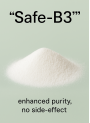
Safe-B3™ (Vitamin B3, Niacinamide)
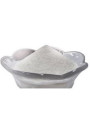
Natural Betaine (Crystal)

Pure MSM™ (Methylsulfonylmethane)
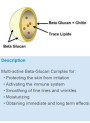

Satin Cream Maker™
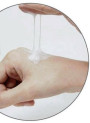
Snail Secretion
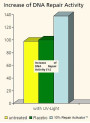
Mild Preserved Eco™ (Preservative-Free)
MOIST24
Cerasoft™ (Synthetic Ceramide)
Dermal Respiratory Factor
Odor-Kill™
Dimethyl Isosorbide (DMI)