Serum Formulation Analysis and Modification
Question
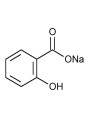
Based on the formula provided, please analyze the ingredient roles and efficacy, particularly for Lactic Acid and Sodium Salicylate. Is Polysorbate 80 necessary in this formula? The formula uses Hydroxyethyl Cellulose at 3%; is this percentage appropriate for a serum? Please provide feedback on the overall formula and suggest suitable substitutions or alternatives for ingredients like Cupric Chloride, Glycine, Astaxanthin, and general moisturizers, considering the staff's recommendations.
Answer
Serum Formulation Analysis and Recommendations
Based on the provided formulas and your questions, along with information from the product database, here's a breakdown:
Role of Polysorbates
- Polysorbate 20 and Polysorbate 80 are types of surfactants commonly used as solubilizers and emulsifiers in cosmetic formulations. Their primary role is to help mix ingredients that don't naturally blend, such as oils or fragrances, into a water-based formula, ensuring stability and clarity.
- Polysorbate 20 is generally more effective at solubilizing fragrances and essential oils in water, while Polysorbate 80 is better for solubilizing more oily or hydrophobic substances.
- In Formula 1, Polysorbate 20 is included at 3%. Whether Polysorbate 80 is "necessary" depends on the specific oil-soluble ingredients and the desired clarity. If the formula is clear and stable with just Polysorbate 20, Polysorbate 80 might not be needed. If there are oil-soluble components that aren't fully incorporated, adding Polysorbate 80 could help, or increasing Polysorbate 20 might suffice depending on the total oil load.
- In Formula 2, Polysorbate 20 would serve to solubilize ingredients like Phenoxyethanol, Tocophersolan (Vitamin E), and potentially Astaxanthin (if it were included). The required percentage of Polysorbate 20 depends entirely on the amount and type of oil-soluble ingredients you need to solubilize. A starting point might be a ratio of 1:1 or 2:1 (Polysorbate to oil-soluble ingredient), but this requires testing to achieve clarity and stability.
Missing Ingredients and Substitutions
You asked about missing ingredients (Polysorbate 80, Cupric Chloride, Glycine, Astaxanthin) and potential substitutions, especially for moisturizers.
- Polysorbate 80: As discussed above, it's a solubilizer. If needed, you can add Polysorbate 80. Alternatively, other solubilizers like Flora Solve Clear could be considered, especially if clarity is crucial.
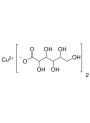
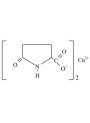
- Cupric Chloride: This is a source of copper ions. In the context of a formula containing Copper Peptide, it might be used to ensure sufficient copper is available for the peptide complex or for additional copper benefits. Our database includes Copper Gluconate and Copper PCA, which are water-soluble sources of copper used in cosmetics for potential benefits like reducing oiliness and anti-aging. These could potentially serve as alternative copper sources, but their compatibility and efficacy compared to Cupric Chloride would need careful evaluation within the specific formula, especially considering the staff's note about avoiding EDTA with Copper Peptide.
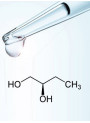
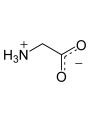
- Glycine: This is an amino acid that functions as a humectant and skin conditioner. It helps attract and retain moisture. You can substitute Glycine with other humectants. Glycerin and Butylene Glycol are already in the formulas and are excellent humectants. Increasing their percentages slightly could compensate for the missing Glycine's moisturizing effect. Other options include Sodium PCA or other amino acids known for their moisturizing properties.
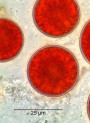
- Astaxanthin: This is a powerful oil-soluble antioxidant. If you want to include an antioxidant, you would need an oil-soluble one. Our database offers Astaxanthin (10% Algae Extract, Oil) or Astaxanthin Liquid (Stabilized, Crystal Clear). Substituting Astaxanthin with a different antioxidant (like a different form of Vitamin E or an oil-soluble Vitamin C derivative) would provide antioxidant benefits but not the specific properties of Astaxanthin.
- Other potential moisturizer substitutions: The original formulas contain Glycerin, Butylene Glycol, Allantoin, and Aloe Vera. These are all good moisturizing and soothing ingredients. If you need additional moisturizing power or different sensory feel, you could consider adding ingredients like Sodium PCA, Hyaluronic Acid (various molecular weights offer different hydration benefits), or extracts known for hydration. For a protein/peptide component similar to Hydrolyzed Soy Protein, Tryptic-Soy™ is available and is a soybean extract with skin benefits.
Staff's Recommended Base Formula
The staff's suggested base formula provides a good starting point, simplifying the structure into water and oil phases.
- Water Phase: Includes Purified Water, Lactic Acid, Butylene Glycol, Glycerin, Phenoxyethanol, a gelling agent, Allantoin, and Aloe Vera.
- Oil Phase: Includes FloraSolve and Vitamin E Tocopheryl Acetate.
This structure helps ensure proper dispersion of ingredients. When adding back missing components or substitutions:
- Water-soluble ingredients (like Glycine, Copper Gluconate, Copper PCA) should be added to the water phase.
- Oil-soluble ingredients (like Astaxanthin, or other oil-soluble antioxidants/moisturizers) should be added to the oil phase and then emulsified/solubilized into the water phase using appropriate solubilizers like Polysorbate 20 or Polysorbate 80, or emulsifiers if creating an emulsion rather than a clear serum.
Gelling Agent (Hydroxyethyl Cellulose)
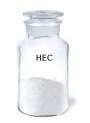
You mentioned Hydroxyethyl Cellulose at 3% in the original formulas. The staff suggested a gelling agent at 0.3% in their modified formula. The percentage of gelling agent like Hydroxyethyl Cellulose (HEC) (available in different viscosity grades like 4500mPa.s or 2000mPa.s) depends on the desired viscosity. 3% HEC would likely create a very thick gel, possibly too thick for a serum described as needing water dilution. 0.3% is a more typical usage rate for a serum consistency. The specific type and percentage of gelling agent will significantly impact the texture and feel of the serum.
When substituting ingredients, especially at higher percentages or with different solubility profiles, it's crucial to perform stability testing to ensure the formula remains consistent, clear (if desired), and effective over time.
Related Products Mentioned

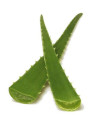
Allantoin
Glycerin (USP/Food Grade)
Phenoxyethanol (Extra Pure)
Polysorbate 20 (Tween 20)
Polysorbate 80 (Tween 80)
Butylene Glycol
Sodium Salicylate
Hydroxyethyl Cellulose (HEC) (4500mPa.s)
Copper Gluconate
Glycine
Copper PCA
Astaxanthin (10% Algae Extract, Oil)