Serum Formulation Analysis, Vitamin C Stability, and OEM Verification
Question
I would like to inquire about the potential effects of the following serum formulation on the skin:
Active Ingredient Percentages:
- Sodium Hyaluronate Solution = 25%
- Vitamim C (
L-ascorbic acid) = 15% - Argireline C (PD010) = 3%
- Vitamin E - Acetate Care = 0.1%
- Ferulic Acid = 0.1%
- Tego Cosmo C250 = 1%
Lactil = 0.15%
Note: Dissolved in Glycols.*
Based on the formula above, if the serum has a pH of 3.5 (clear gel) and does not cause a slight warming or tingling sensation on the face upon application, unlike other brands I've used which do cause a slight warmth or tingling, does this indicate that the L-ascorbic acid is still stable?
Furthermore, when having products manufactured by an OEM factory, how can I verify that they have included the active ingredients at the percentages they stated? The active ingredients in this formula are included in relatively high amounts, but the perceived results differ from many brands I've tried that claim the same or lower amounts of active ingredients.
- P.S. I am manufacturing with an OEM factory but purchasing some ingredients from Myskin.*
Answer
Analysis of Your Serum Formulation
This serum formulation combines several potent active ingredients aimed at addressing various skin concerns, including hydration, aging, antioxidant protection, and brightening. Here's a breakdown of the potential effects of each ingredient at the specified concentrations:
- Sodium Hyaluronate (Nano Low Molecule) at 25%: Hyaluronic acid, especially in nano or low molecular weight forms, is excellent for deep skin hydration. It attracts and holds moisture, helping to plump the skin and reduce the appearance of fine lines and wrinkles caused by dehydration. A 25% concentration of a Sodium Hyaluronate solution (assuming it's a standard solution concentration, not 25% pure powder) would provide significant moisturizing benefits.
- Vitamin C (L-ascorbic acid) (Ultra-Fine) at 15%: L-ascorbic acid is a highly effective form of Vitamin C known for its powerful antioxidant properties, ability to brighten skin tone by reducing pigmentation, stimulating collagen synthesis, and reducing the appearance of wrinkles. A 15% concentration is a high and effective dose for significant brightening and anti-aging results.
- Argireline (Acetyl Hexapeptide-8) at 3%: This peptide is designed to help reduce the appearance of expression wrinkles, particularly around the eyes and forehead, by targeting the muscle contractions that cause them. A 3% concentration is within the typical recommended usage range for this ingredient.
- Vitamin E (Tocopheryl Acetate) at 0.1%: Vitamin E is an antioxidant that works synergistically with Vitamin C to protect the skin from free radical damage. It also helps stabilize other ingredients in the formula. The concentration of 0.1% is sufficient for its antioxidant and stabilizing role.
- Ferulic Acid at 0.1%: Ferulic acid is another potent antioxidant that enhances the stability and effectiveness of Vitamin C and Vitamin E. It provides additional protection against environmental damage. While beneficial at 0.1%, a higher concentration (typically 0.5-1%) is often recommended for maximum anti-aging and antioxidant benefits when used as a primary active.
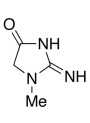
- Tego Cosmo C250 (1-Methylhydantoin-2-Imide) at 1%: This ingredient is known for its skin brightening properties, helping to reduce dark spots and improve overall skin tone. A 1% concentration is within the effective range for this purpose.
- Lactil at 0.15%: Lactil is typically a blend of moisturizing components (like Sodium Lactate, Sodium PCA, Glycine, Fructose, Urea, Niacinamide, Inositol, Sodium Benzoate, Lactic Acid) that mimic the skin's Natural Moisturizing Factor (NMF). It helps to improve skin hydration and barrier function.
Overall, this formula is designed to be a multi-functional serum providing hydration, anti-wrinkle effects, antioxidant protection, and skin brightening.
Vitamin C Stability and Sensation
The serum has a pH of 3.5, which is within the optimal range (pH 2.0-4.0) for L-ascorbic acid to be effective and stable, while also meeting regulatory requirements (FDA requires pH >= 3.5 for leave-on products). The lack of a warming or tingling sensation upon application does not necessarily indicate that the Vitamin C is unstable or ineffective. This sensation can vary greatly depending on the specific formulation, the presence of other ingredients (like glycols used as solvents, which can sometimes reduce irritation), and individual skin sensitivity. As long as the serum remains clear and does not show signs of oxidation (such as turning yellow or brown), the L-ascorbic acid is likely stable and active at this pH.
Verifying Active Ingredient Percentages from OEM
Determining the exact percentage of active ingredients in a finished product from an OEM cannot be done simply by using the product or observing its effects, especially for complex formulations with multiple actives. While you can assess the performance of the product on your skin, this doesn't confirm the precise concentration of each ingredient.
The standard method to verify the percentage of active ingredients in a finished cosmetic product is through independent laboratory analytical testing. You would need to send samples of the serum to a qualified laboratory that can perform quantitative analysis for each specific active compound listed in the formula. This is the most reliable way to confirm if the product contains the stated percentages of active ingredients.
It is important to discuss quality control and analytical testing procedures with your OEM partner to ensure the final product meets the agreed-upon specifications.
Related Products Mentioned
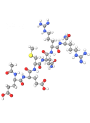
Acetyl Hexapeptide-8 (eq Argireline)
Vitamin E (Tocopheryl Acetate)
Pure-Ferulic Acid™
Vitamin C (L-ascorbic acid) (Ultra-Fine)